


TL;DR:
- Barista-formulated oat milk is the top plant milk for coffee due to its foam stability and neutral flavor.
- Protein-rich soy and pea milks support frothing and are ideal for high-protein coffee drinks.
Barista-formulated oat milk is the best plant milk for coffee, delivering foam stability, neutral flavour, and a texture closer to dairy than any other plant-based option. The right dairy alternative for coffee must froth without breaking, resist curdling in acidic espresso, and complement rather than compete with the roast’s flavour. Protein content, fat composition, and whether you choose a standard retail or barista-edition product all determine how your cup turns out. This guide ranks the top non-dairy creamers and plant milks by performance, flavour, and practical use, so you can make a confident choice for every drink you brew.
1. Best plant milks for coffee: why oat milk leads the pack
Oat milk in barista-edition formulation is consistently ranked first for foam stability and texture among all plant milks for coffee. Its neutral, slightly sweet flavour sits behind the espresso rather than fighting it. That balance is what makes it the industry standard in 2026 for cafés and home baristas alike.

Barista oat milks contain added fats and stabilisers that allow them to produce a stable microfoam. That microfoam holds its structure long enough for latte art and does not collapse into a watery layer within seconds. Standard supermarket oat milk lacks these additives and performs noticeably worse when steamed.
Quality varies considerably even within the barista oat milk category, with blind tests showing flavour and texture scores differing by up to 13 points between brands. That gap is large enough to ruin a well-pulled shot. Choosing a reputable barista-edition product matters as much as choosing oat milk over other categories.
Key strengths of barista oat milk for coffee:
- Stable microfoam suitable for flat whites, lattes, and cappuccinos
- Neutral flavour that does not mask espresso notes
- Resistance to curdling in hot, acidic espresso
- Widely available at most supermarkets and coffee suppliers
- Cost-effective compared to premium nut milks
Pro Tip: Chill your oat milk in the fridge right up until steaming. Cold milk gives you more time to build texture before it overheats.
2. High-protein plant milks: soy and pea protein
Soy milk and pea protein milk are the closest plant-based alternatives to dairy in terms of protein content. Pea protein and soy milks provide 6–8g of protein per cup, compared to dairy milk’s approximately 8g. That protein level directly supports frothing performance, because proteins are what create and stabilise foam structure.
Pea protein milk has a relatively neutral flavour and produces a foam that holds well in steamed drinks. It is a strong choice for cappuccinos and protein-rich coffee drinks where you want substance without a dominant secondary flavour. Many coffee drinkers who have not tried it are surprised by how clean it tastes.
Soy milk has a longer track record in coffee shops than pea protein milk. Its main drawback is a faint beany note that some people find distracting in lighter roasts. Barista-edition soy milk addresses the curdling problem that standard soy milk has with espresso acidity, making it a reliable option when you want high protein alongside good foam.
Highlights for high-protein plant milks in coffee:
- Soy and pea protein milks both deliver 6–8g protein per cup
- Pea protein milk is the more neutral-tasting of the two
- Barista editions of both milks resist curdling in espresso
- Both work well in cappuccinos and protein-forward coffee drinks
- Soy milk’s beany note is most noticeable in light-roast espresso
You can read more about dairy-free milk options across all categories if you are weighing up protein, taste, and health factors together.
3. Nut-based plant milks: macadamia, almond, and coconut
Nut-based milks occupy a different niche from oat or soy. They tend to have stronger flavour profiles and more variable frothing performance. Choosing the right one depends heavily on whether you are making a hot steamed drink or a cold brew.
Macadamia milk
Macadamia milk offers a rich, buttery texture that works beautifully in cold brew and premium iced coffee drinks. Macadamia milk costs $5–6 per carton compared to oat milk’s $3–4, making it a premium choice rather than an everyday option. The flavour is smooth and subtly sweet without the nuttiness that can overpower a delicate espresso.
Almond milk
Standard almond milk curdles readily in hot, acidic espresso and produces poor, unstable foam. Barista-formulated almond milk performs considerably better, but even then it works best in iced coffee rather than steamed drinks. Its slightly nutty flavour pairs well with medium roasts in cold preparations.
Coconut milk
Coconut milk’s tropical flavour and rich texture make it ideal for iced coffee and dark roast pairings. Its fat content gives cold drinks a creamy mouthfeel that many people find satisfying. Poor frothing performance limits its use in steamed drinks, so keep it for cold preparations where its flavour shines.
| Plant milk | Best use | Frothing performance | Flavour impact |
|---|---|---|---|
| Macadamia | Iced coffee, cold brew | Low | Rich, buttery, subtle |
| Almond (barista) | Iced coffee | Moderate | Nutty, light |
| Coconut | Iced coffee, dark roast | Low | Tropical, rich |
Pro Tip: For iced lattes, shake coconut or macadamia milk with ice before adding espresso. The cold emulsification gives you a creamier texture without steaming.
4. How barista formulations change everything
Barista-formulated plant milks are not a marketing label. They are a functional category with a specific purpose. Barista milks contain sunflower, rapeseed, or canola oils and stabilisers that prevent curdling when the milk contacts acidic espresso. Standard retail milks lack these additives and break down on contact with a hot shot.
The difference shows up immediately in the cup. Standard oat milk poured over espresso often separates into grainy curds and thin liquid. Barista oat milk blends smoothly and holds its emulsion. That distinction matters whether you are pulling shots at home or running a café.
Steaming temperature is the other critical variable. Plant milks should be steamed at 140–150°F (60–65°C), which is cooler than the typical dairy steaming range. Exceeding this temperature breaks down plant proteins, collapses the foam, and introduces off-flavours. A thermometer or temperature-controlled steam wand removes the guesswork.
Steps for better plant milk steaming at home:
- Start with cold, refrigerated barista-edition milk
- Purge the steam wand before frothing to remove condensation
- Submerge the wand tip just below the surface to introduce air in the first few seconds
- Move the wand deeper to create a spinning vortex and heat the milk evenly
- Stop steaming when the jug reaches 60–65°C (use a thermometer for accuracy)
- Tap the jug on the counter and swirl to break any large bubbles before pouring
Pro Tip: If your plant milk foam collapses within 30 seconds, the milk was either overheated or the product is not a barista formulation. Switch the product before adjusting your technique.
For a broader look at consistent coffee brewing with plant milks, professional barista guides cover equipment settings and milk handling in detail.
5. Choosing the right plant milk for your coffee and lifestyle
The best plant-based milk for your coffee depends on four factors: flavour compatibility, frothing needs, dietary requirements, and drink type. Getting all four right means you stop compromising on any one of them.
Flavour compatibility is the most overlooked factor. Consumers should prioritise flavour complementarity over novelty, choosing plant milks that enhance rather than compete with the coffee’s taste. A light, floral Ethiopian espresso pairs poorly with coconut milk. A dark, chocolatey Brazilian roast handles it well.
Dietary requirements narrow the field quickly. Soy milk is unsuitable for anyone with a soy allergy. Nut milks are off the table for nut allergies. Oat milk is naturally gluten-adjacent, so coeliacs should look for certified gluten-free versions. Pea protein milk is currently the most allergy-friendly option across common dietary restrictions.
Ingredient labels deserve careful reading because some barista milks include added sugars, gums, and oils for texture. These additions improve coffee performance but may not suit everyone’s health goals. If you are managing sugar intake, check the label before assuming a plant milk is a clean product.
| Plant milk | Hot drinks | Cold drinks | Protein (per cup) | Allergy note |
|---|---|---|---|---|
| Oat (barista) | Excellent | Good | Low | Gluten-adjacent |
| Soy (barista) | Very good | Good | 6–8g | Soy allergy risk |
| Pea protein | Very good | Good | 6–8g | Most allergy-friendly |
| Macadamia | Poor | Excellent | Low | Tree nut allergy risk |
| Almond (barista) | Moderate | Good | Low | Tree nut allergy risk |
| Coconut | Poor | Excellent | Low | Generally well tolerated |
For a thorough overview of dairy alternatives for vegans covering nutrition, taste, and practical use, Naturessoulshop’s guide covers the full picture.
Key takeaways
Barista-formulated oat milk is the most reliable plant-based milk for coffee, combining foam stability, neutral flavour, and curdling resistance that standard retail milks cannot match.
| Point | Details |
|---|---|
| Oat milk leads the category | Barista-edition oat milk produces stable microfoam and resists curdling in espresso. |
| Protein content drives frothing | Soy and pea protein milks deliver 6–8g protein per cup, supporting foam structure. |
| Nut milks suit cold drinks | Macadamia and coconut milks perform best in iced coffee, not steamed preparations. |
| Steaming temperature is critical | Steam plant milks at 60–65°C to preserve texture and avoid off-flavours. |
| Labels reveal what matters | Check for added sugars, gums, and oils before choosing a barista milk for health reasons. |
Plant milks in coffee: what I have actually learned
By Arjit
The conversation around plant milks in coffee has matured considerably. A few years ago, most café plant milk options were an afterthought. Now barista-edition formulations have genuinely closed the gap with dairy in terms of texture and foam quality. That shift is real and worth acknowledging.
What I find most interesting is how the market has moved away from novelty toward performance. The early wave of exotic plant milks attracted attention, but baristas and home enthusiasts quickly realised that a milk that cannot froth is useless in a latte. Oat milk won because it solved the actual problem, not because it was the most exciting option.
The protein conversation is where I think things are heading next. Pea protein milk is still underrated. Most coffee drinkers have not tried it, and those who have often assume the flavour will be odd. It is not. It is cleaner than soy and froths better than most nut milks. I expect it to become a mainstream café option within the next two years.
My honest advice is to read the label before you buy. Barista milks are not all equal, and some contain more added sugar than you would expect from a product positioned as a health choice. The coffee guide at Portland Coffee Box is worth bookmarking if you want to go deeper on plant milk performance and brewing variables. Experiment with less common options like macadamia in cold brew. You may find a combination that suits your palate better than the default.
— Arjit
Plant milks worth trying from Naturessoulshop
Finding a genuinely good barista-quality plant milk at a local shop is harder than it should be. Most supermarket shelves carry standard retail versions that curdle in espresso and produce flat foam.
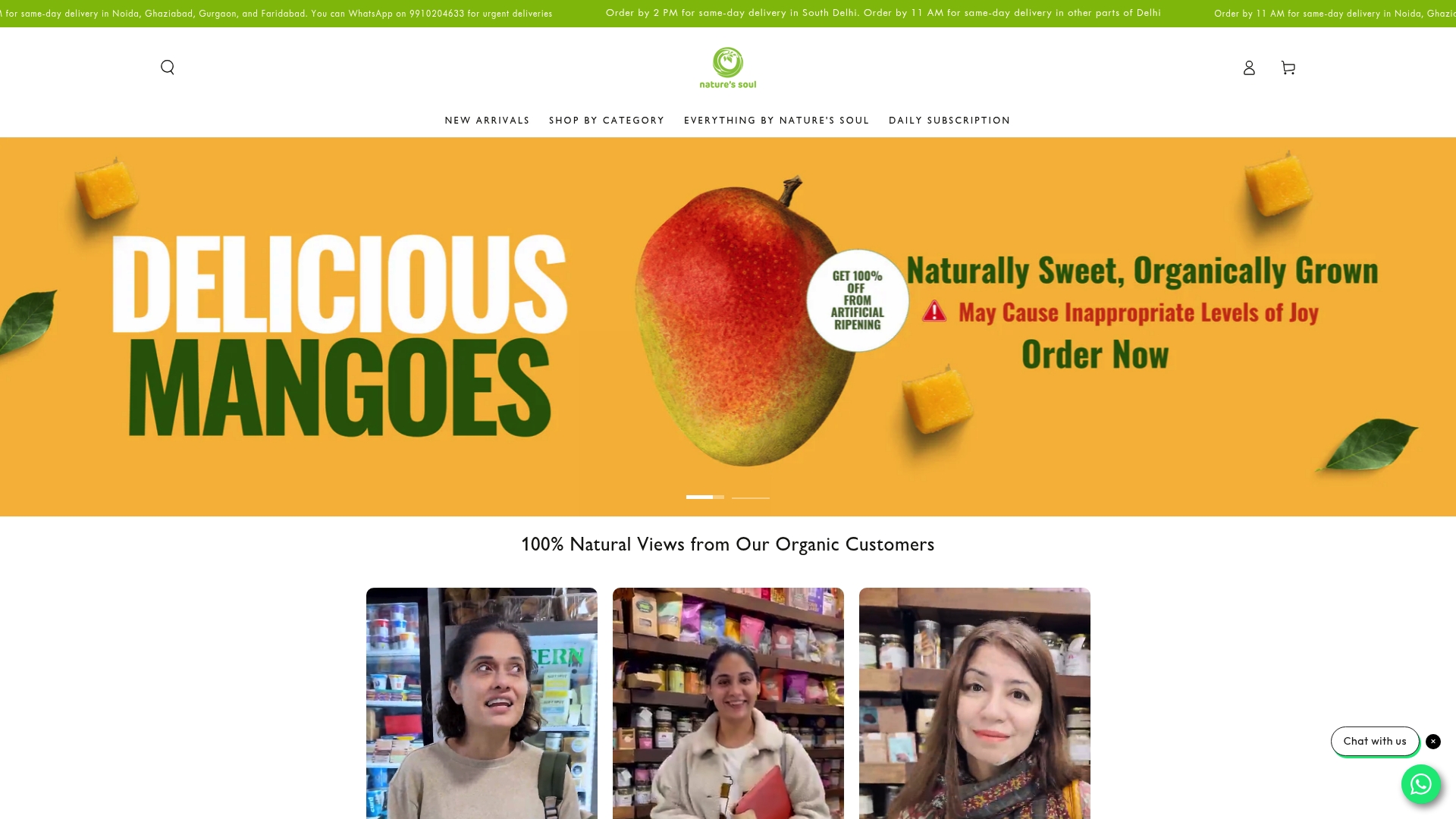
Naturessoulshop stocks a curated range of organic and clean-ingredient plant milks, including unsweetened oat milk suited to home coffee brewing. Every product on the Naturessoulshop platform is selected with clean ingredients and health-conscious values in mind, so you are not trading coffee quality for a label full of additives. If you are building a home coffee routine around plant-based milks, it is a practical place to start.
FAQ
What is the best plant milk for steamed coffee drinks?
Barista-formulated oat milk is the best option for steamed drinks. It produces stable microfoam, resists curdling in espresso, and has a neutral flavour that complements most roasts.
Which plant milk tastes best in coffee?
Oat milk is widely considered the best-tasting plant milk in coffee due to its neutral, slightly sweet flavour. Macadamia milk is a strong second for cold drinks where its buttery richness can shine.
Why does plant milk curdle in espresso?
Espresso is acidic, and standard plant milks lack the emulsifiers needed to withstand that acidity. Barista-formulated milks contain added oils and stabilisers specifically to prevent this reaction.
Which plant milk has the most protein for coffee?
Soy milk and pea protein milk both provide 6–8g of protein per cup, making them the highest-protein plant-based options for coffee and the best choices for foam stability.
Is oat milk or almond milk better for coffee?
Oat milk is significantly better for hot coffee drinks. Almond milk curdles in hot espresso and produces unstable foam, while barista oat milk handles steaming and espresso contact reliably.
Recommended
- 7 Quick Plant Based Breakfast Ideas for Urban Wellness – naturessoulshop
- How to Go Dairy Free in 2025: A Complete Guide for Every Lifestyle – naturessoulshop
- 8 Essential Dairy Free Milk Options for Health Conscious Consumers – naturessoulshop
- 7 Best Dairy Alternatives for Vegans: Healthy Choices Explained – naturessoulshop


