


TL;DR:
- Hidden sugars are added sugars in processed foods that go beyond natural sweetness and can harm long-term health. Reading labels carefully and reducing intake gradually, especially in beverages and condiments, helps avoid surprising sources of sugar. Focusing on transparent, whole food products and retraining taste buds can make healthier eating sustainable.
Hidden sugars are added sugars that manufacturers incorporate into processed foods beyond any naturally occurring sweetness from fruit, vegetables, or dairy. The term “added sugars” is the recognised industry standard, and dietary guidelines recommend limiting added sugar to less than 10% of total daily calories, roughly 50 grams on a 2,000-calorie diet. Knowing how to avoid hidden sugars is the single most practical step you can take to protect your long-term health. The challenge is that added sugars appear in foods most people consider savoury, wholesome, or even medicinal. This guide gives you the tools to find them, read labels accurately, and cut back without feeling deprived.
What are common hidden sugar sources in everyday food and drink?
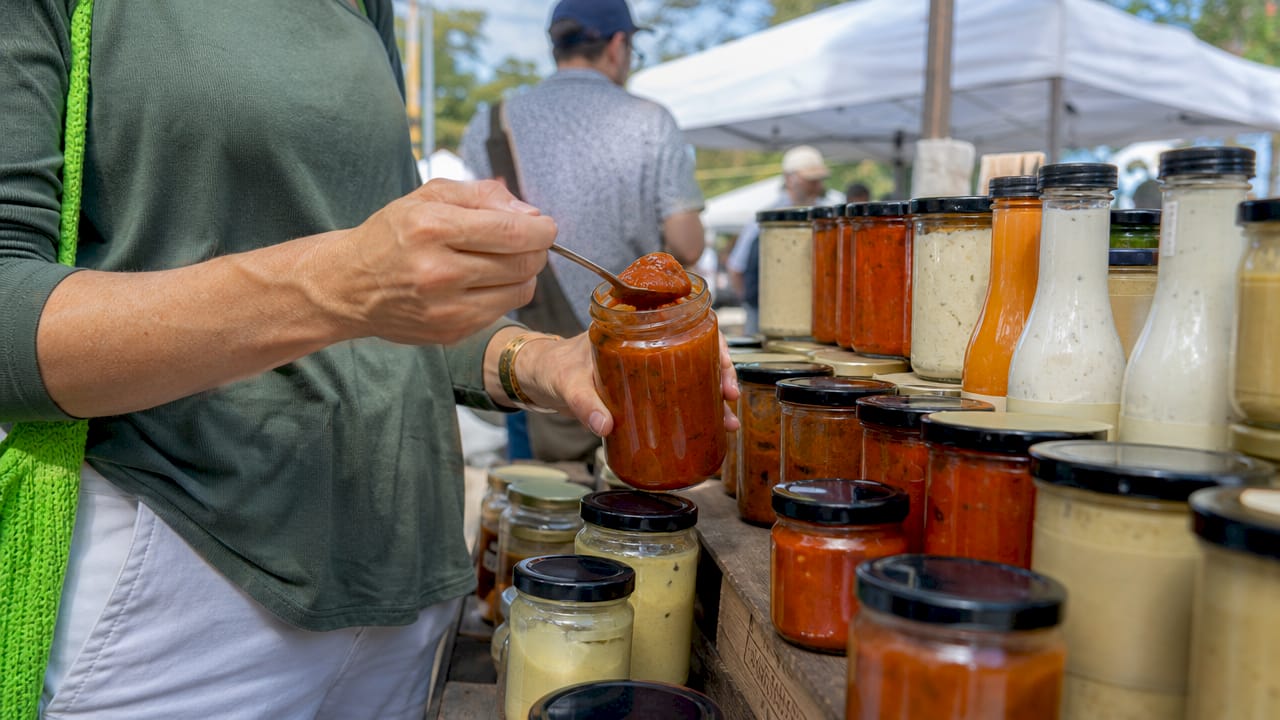
Nearly 70% of added sugars in a typical diet come from sweetened beverages, desserts, sweet snacks, confectionery, and breakfast cereals. That figure means the majority of your added sugar exposure is concentrated in a handful of food categories, making them the most productive place to start cutting back.
The surprises, though, are in the savoury aisle. A half-cup serving of pasta sauce can contain 6–12 grams of sugar, the equivalent of a chocolate chip cookie. Most people pour considerably more than half a cup over a bowl of pasta, which means a single meal can quietly deliver two or three cookies’ worth of added sugar before pudding is even considered.
Beverages are the most deceptive hidden sugar source. Popular lemon-flavoured iced teas can contain up to 32 grams of sugar per bottle. That is more than half the recommended daily limit in a single drink that many people consume without a second thought because it feels lighter than a fizzy drink.
The foods most likely to catch you off guard include:
- Condiments and sauces: ketchup, barbecue sauce, sweet chilli sauce, and pasta sauces
- Flavoured dairy: fruit yoghurts, flavoured milks, and fromage frais marketed at children
- Breakfast foods: granola, flavoured porridge sachets, cereal bars, and fruit-flavoured cereals
- Drinks: flavoured teas, fruit juices, sports drinks, and vitamin water
- Savoury snacks: coleslaw, baked beans, and shop-bought salad dressings
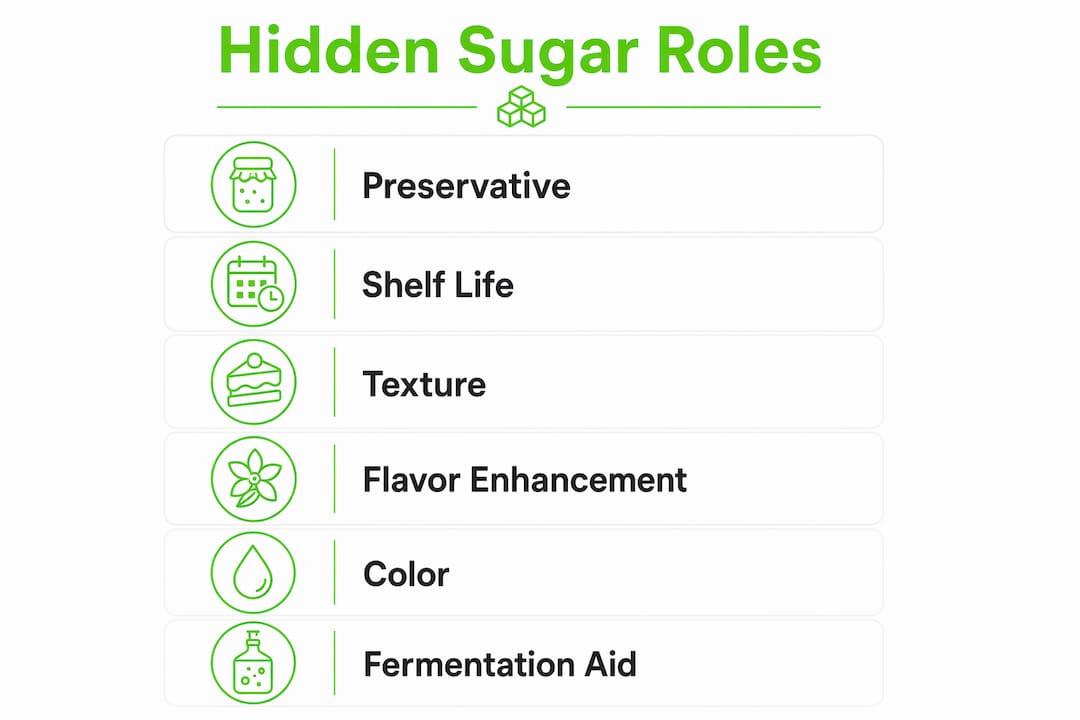
Sugar plays functional roles in processed food beyond sweetness. It acts as a preservative, extends shelf life, improves texture, and masks bitterness. Those functions give manufacturers strong commercial reasons to include it even in products where you would never expect a sweet flavour. Understanding that logic helps you approach any processed food with the right level of scepticism. You can find a broader breakdown of foods with unexpected sugar content on the Naturessoulshop blog.
How to read food labels to spot hidden sugars effectively
Reading labels is the most reliable method for finding added sugars, but manufacturers use several tactics that make it harder than it should be. The first tactic is using multiple varieties of sugar in a single product, each listed separately so that none appears high enough on the ingredient list to raise concern. The total sugar load is split across five or six entries, each of which looks minor in isolation.
Sugar travels under more than 60 names on ingredient lists. The most common ones to recognise include sucrose, glucose, fructose, dextrose, maltose, malt syrup, corn syrup, agave nectar, rice syrup, and fruit juice concentrate. If you see any of these in the first three ingredients, the product is high in added sugar regardless of what the front of the pack claims.
The nutrition facts panel distinguishes between “total sugars” and “added sugars.” Total sugars includes naturally occurring sugars from fruit or dairy. Added sugars is the figure that matters for health. Always read the added sugars line rather than total sugars when assessing a product.
The table below shows how the same product category can vary dramatically in added sugar content depending on the brand and format.
| Product type | Typical added sugar per serving | What to look for instead |
|---|---|---|
| Flavoured fruit yoghurt (125g) | 12–18g | Plain, unsweetened yoghurt with fresh fruit |
| Pasta sauce (half cup) | 6–12g | Passata or tomato purée with no added sugar |
| Granola (45g serving) | 8–14g | Rolled oats with nuts and seeds, no syrup |
| Lemon iced tea (500ml bottle) | Up to 32g | Brewed tea, chilled, with lemon slices |
| Barbecue sauce (2 tbsp) | 10–16g | Homemade tomato-based sauce with spices |
Products labelled “unsweetened” and those where sugar does not appear in the first three ingredients are the safest choices. Prioritising that label check takes under ten seconds and removes the most common hidden sugar traps from your basket.
Pro Tip: Scan the ingredient list from left to right. Ingredients are listed in descending order by weight. If any form of sugar appears in the first three positions, put the product back regardless of what the front-of-pack health claim says.
Products labelled “organic,” “gluten-free,” or “low-fat” can still contain high levels of added sugar. Manufacturers use sugar to compensate for the flavour lost when fat is removed, or to improve the texture of gluten-free baked goods. The health-sounding buzzword on the front is a marketing decision, not a nutritional guarantee.
What practical steps can you take to reduce hidden sugar in your diet?
Cutting added sugar works best as a gradual process. Experts advise against going “cold turkey” on sugar, recommending a step-by-step reduction for long-term success. Abrupt elimination tends to trigger cravings and rebound eating, whereas gradual reduction allows your palate to adjust naturally.
A structured approach makes the process manageable:
- Audit your current intake. Spend one week reading labels on everything you buy. Note where added sugars appear most frequently in your routine. Most people are surprised to find their biggest source is a drink, not a biscuit.
- Treat your daily allowance as a budget. Using an added sugar budget, tracking how much you “spend” at each meal, makes the abstract 50-gram limit feel concrete and manageable.
- Swap beverages first. Replace flavoured teas, juices, and sports drinks with water, sparkling water, or plain brewed tea. This single swap often removes 30–60 grams of added sugar from a day without changing any food.
- Rethink breakfast. Swap flavoured porridge sachets and granola for plain rolled oats topped with fresh fruit. You get natural sweetness from the fruit with none of the added sugar from the packet. Naturessoulshop has a range of low-sugar breakfast ideas worth bookmarking.
- Make your own condiments. Ketchup and barbecue sauce are among the highest-sugar condiments per tablespoon. A simple homemade tomato sauce with garlic, herbs, and a splash of balsamic vinegar delivers the same depth of flavour with a fraction of the sugar.
- Choose whole fruit over fruit products. Fruit juice, dried fruit, and fruit-flavoured snacks concentrate sugar without the fibre that slows its absorption. A whole apple delivers the same sweetness with far less impact on blood sugar.
- Read labels before you shop, not after. Checking a product’s sugar content at home, before your next shop, removes the in-store pressure that leads to impulse choices.
Pro Tip: Make your own salad dressing with extra-virgin olive oil, lemon juice, Dijon mustard, and black pepper. Shop-bought dressings routinely contain 4–8 grams of added sugar per two-tablespoon serving. Homemade costs less and contains none.
For guidance on natural sugar alternatives that work in cooking and baking, the Naturessoulshop blog covers the most practical options in detail.
What common mistakes prevent successful hidden sugar avoidance?
The most common mistake is replacing sugar with artificial sweeteners and assuming the problem is solved. The brain responds to sweet flavour itself, regardless of whether that sweetness comes from sugar or a substitute. Sweeteners maintain the craving for sweet tastes rather than reducing it, which means many people who switch to diet versions of sugary drinks find themselves eating more sweet food elsewhere in the day.
Other pitfalls that undermine progress include:
- Trusting health buzzwords. “Natural,” “organic,” “low-fat,” and “high-fibre” labels do not indicate low sugar content. Always check the nutrition panel rather than relying on front-of-pack claims.
- Ignoring portion sizes. A product may list 5 grams of added sugar per serving, but if the realistic portion is three times the stated serving size, the actual intake is 15 grams. Always check how many servings a package realistically contains.
- Overlooking frequency. A food with moderate sugar content becomes a significant source if consumed three times a day. Frequency matters as much as quantity per serving.
- Expecting immediate taste change. Your palate adjusts to lower sweetness levels over several weeks, not days. Foods that initially taste bland will begin to taste satisfying once the adjustment period passes.
“Retraining your palate is not about willpower. It is about giving your taste buds enough time to recalibrate. Most people find that after four to six weeks of lower sugar intake, previously enjoyed sweet foods begin to taste overwhelmingly sweet.”
Persistence through the first few weeks is the most important factor. The discomfort is temporary. The palate change is lasting. Exploring low-sugar snack options can help bridge the gap during that adjustment period without triggering a return to high-sugar habits.
Key takeaways
Avoiding added sugars requires identifying their sources, reading labels accurately, and reducing intake gradually rather than all at once.
| Point | Details |
|---|---|
| Know the daily limit | Added sugar should stay below 50 grams per day on a 2,000-calorie diet. |
| Check ingredient position | Sugar listed in the first three ingredients signals a high-sugar product. |
| Spot disguised names | Dextrose, malt syrup, agave, and rice syrup are all added sugars on labels. |
| Reduce gradually | A step-by-step reduction is more sustainable than abrupt elimination. |
| Distrust health buzzwords | “Organic” and “low-fat” labels do not guarantee low added sugar content. |
What I have learned from years of watching people fight hidden sugars
The single most common pattern I see is people who clean up their meals completely but keep their drinks exactly as they were. They swap biscuits for rice cakes, switch to wholegrain bread, and feel genuinely confused when their sugar intake barely moves. The drinks are almost always the culprit. A single flavoured iced tea can undo an entire morning of careful food choices.
The second thing I have noticed is that label reading feels overwhelming at first and then becomes automatic within a few weeks. The first time you stand in a supermarket aisle reading ingredient lists, it takes five minutes per product. After a month, you scan a label in under ten seconds and know immediately whether a product is worth buying. That skill compounds over time in a way that no diet plan or meal programme can replicate.
The insight that surprises most people is how quickly their taste preferences shift. After three to four weeks of genuinely lower sugar intake, a plain yoghurt with fresh berries tastes genuinely satisfying rather than disappointing. The brain is not hardwired to need sweetness at every meal. It is simply conditioned to expect it. Breaking that conditioning takes patience, but the payoff is a palate that finds real food genuinely pleasurable rather than a compromise.
My honest advice: start with your drinks, then your breakfast, then your condiments. Those three categories account for the majority of hidden sugar exposure for most people. Fix those three and the rest of the diet tends to follow naturally.
— Arjit
Clean eating starts with what is in your basket
Reducing hidden sugars is far easier when the products you buy are made with clean, transparent ingredients from the start.
Naturessoulshop stocks a wide range of organic groceries and natural foods across every category, from dry goods and dairy to vegan and gluten-free options, all selected for clean ingredient lists with no unnecessary additives. Whether you are looking for unsweetened snacks, sugar-free condiments, or wholefood alternatives to processed staples, the Naturessoulshop range is built around the principle that good food should not need hidden extras. Browse the health-focused food range to find products that align with your sugar reduction goals without sacrificing flavour or convenience.
FAQ
What counts as a hidden sugar in food?
Hidden sugars are added sugars incorporated into processed foods during manufacturing, distinct from naturally occurring sugars in fruit or dairy. They appear under names such as sucrose, dextrose, malt syrup, agave, and rice syrup on ingredient lists.
How much added sugar is safe per day?
Dietary guidelines recommend limiting added sugar to less than 10% of total daily calories, which equals approximately 50 grams on a 2,000-calorie diet. Staying within that limit significantly reduces the health risks associated with excess sugar consumption.
Are “low-fat” or “organic” foods lower in sugar?
Not necessarily. Products labelled “low-fat,” “organic,” or “gluten-free” can still contain high added sugar used to improve flavour or texture. Always check the added sugars line on the nutrition panel rather than relying on front-of-pack claims.
What is the fastest way to reduce added sugar intake?
Swapping sweetened beverages for water or plain brewed tea is the single fastest way to cut added sugar, as drinks account for a large share of daily intake. Checking the first three ingredients on every label you buy reinforces the habit across all food categories.
Do sugar substitutes help with reducing sugar cravings?
Sugar substitutes do not reliably reduce cravings because the brain responds to sweet flavour regardless of its source. A gradual reduction in overall sweetness, across both sugar and substitutes, is the more effective long-term approach to retraining taste preferences.


