


TL;DR:
- A nutritious breakfast combines protein, fiber, healthy fats, and complex carbohydrates to promote sustained energy and fullness. Building meals from these components supports blood sugar stability, gut health, and appetite control, especially when prepped in advance.
A healthy breakfast is defined as a meal combining protein, fibre, healthy fats, and complex carbohydrates to fuel sustained energy and fullness throughout the morning. Foods like oats, eggs, avocado, and Greek yogurt are the foundation of genuinely nutritious morning meals. Experts recommend building breakfast from these four components rather than relying on any single superfood. That approach avoids added sugars, prevents mid-morning energy crashes, and supports better blood sugar control from the first meal of the day.
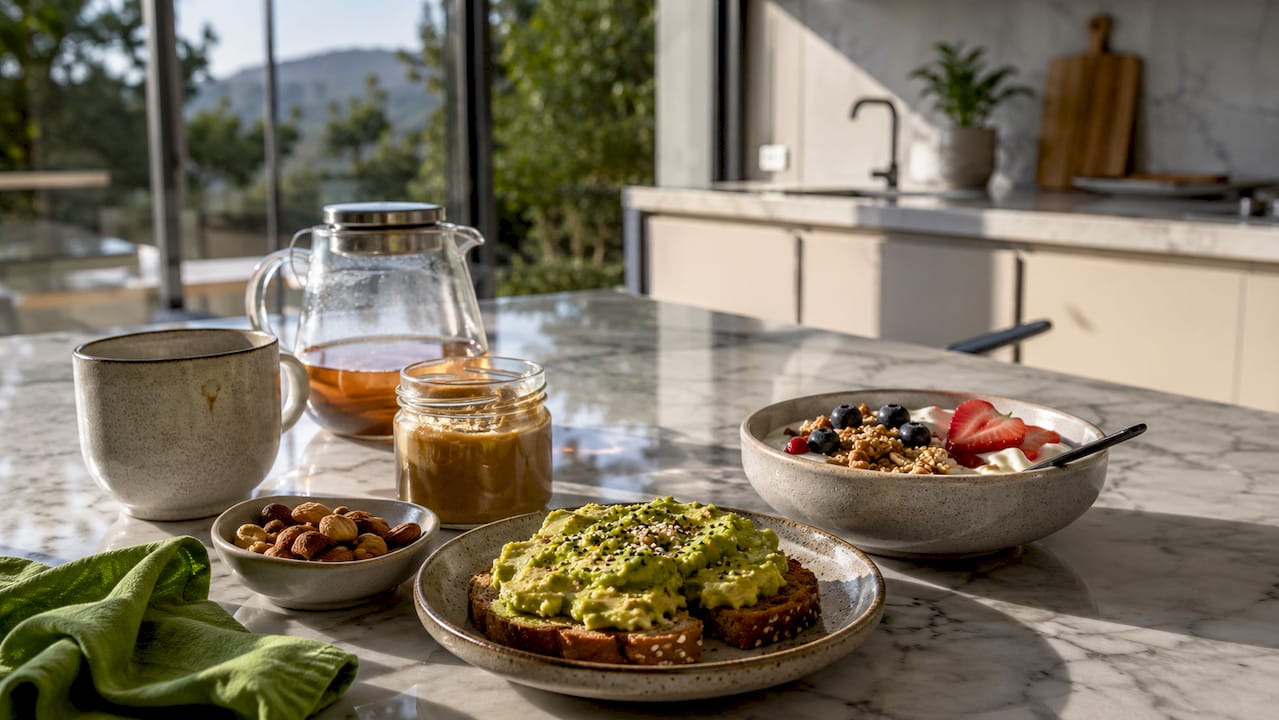
1. best healthy breakfast ideas: high-protein options
Protein at breakfast is the single most effective way to control appetite for the rest of the day. The best quick protein sources are eggs, Greek yogurt, peanut butter, cottage cheese, and smoked salmon. Pairing protein with fibre and healthy fats delivers sustained energy rather than a short spike followed by a slump.
Here are the top quick, high-protein breakfast combinations worth building into your routine:
- Scrambled eggs with spinach and cherry tomatoes — ready in under 10 minutes, provides protein and dietary nitrates
- Greek yogurt with mixed berries and a handful of walnuts — no cooking required, delivers protein, fibre, and healthy fats in one bowl
- Peanut butter on wholegrain toast with sliced banana — combines complex carbs, healthy fats, and plant protein
- Cottage cheese with cucumber and a drizzle of olive oil — underrated but genuinely filling, especially for those avoiding eggs
- High-protein oatmeal with egg whites and milk — provides around 21 grams of protein per serving without any protein powder
Each of these meals takes fewer than 15 minutes to prepare. The key is having the right ingredients stocked so you are not making decisions at 7am on an empty stomach.
Pro Tip: Boil a batch of eggs on Sunday evening and keep them in the fridge. Pair one or two with whatever you have to hand each morning and you have a protein base without any effort.
2. fibre-rich breakfasts for gut health and appetite control
Dietary fibre at breakfast does two things simultaneously: it feeds your gut microbiome and slows the absorption of glucose into your bloodstream. A 28-day study comparing high-protein and high-fibre breakfasts found that the high-fibre group showed greater gut microbiome diversity, while the high-protein group reported stronger appetite suppression. Both groups lost weight and improved health markers. The practical takeaway is that you do not have to choose one over the other.
The best fibre-rich breakfast foods to incorporate regularly include:
- Rolled oats — soluble fibre in oats actively helps lower LDL cholesterol
- Chia seeds — two tablespoons deliver 5–6 grams of protein and 10 grams of fibre
- Mixed berries — raspberries and blackberries are particularly high in fibre per calorie
- Whole grain toast — a simple base that adds complex carbs and fibre without refined sugars
- Roasted vegetables — leftover courgette, peppers, or mushrooms added to eggs boost fibre significantly
Chia pudding is one of the most practical fibre-rich options for busy mornings. Combine two tablespoons of chia seeds with 200ml of oat milk the night before, add a spoonful of almond butter, and refrigerate. By morning you have a ready-to-eat breakfast with both fibre and healthy fat. For more plant-based fibre options, the fibre-rich vegan foods guide from Naturessoulshop covers a broader range of ingredients worth exploring.
Pro Tip: Add one tablespoon of chia seeds to any smoothie, yogurt bowl, or porridge. It is the simplest way to add 5 grams of fibre to a meal you are already eating.
3. healthy fats: why your breakfast needs them
Healthy fats at breakfast improve cholesterol profiles, provide lasting energy, and help your body absorb fat-soluble vitamins like A, D, E, and K. The most practical sources for morning meals are avocado, nuts, seeds, and olive oil. A heart-healthy breakfast built around these fats alongside protein and fibre is the standard recommendation from cardiologists and registered dietitians alike.
The best ways to add healthy fats to your morning meal:
- Avocado on wholegrain toast with a poached egg — the combination of monounsaturated fat, protein, and complex carbs is nutritionally complete
- A small handful of almonds, walnuts, or pecans added to porridge or yogurt
- A tablespoon of extra virgin olive oil drizzled over eggs or roasted vegetables
- Flaxseeds or hemp seeds stirred into overnight oats for omega-3 fatty acids
The evidence on plant-based fats is particularly strong. Research on healthy plant-based fats shows a meaningful reduction in cardiovascular risk when these fats replace saturated alternatives consistently. Avocado is the most versatile option because it works in savoury and sweet contexts, pairs with almost any protein, and requires zero preparation beyond slicing.
4. make-ahead breakfast recipes that save time
The biggest barrier to eating well in the morning is time, not knowledge. Make-ahead breakfasts solve this by shifting the preparation to a moment when you are not rushed. Overnight oats, baked oats, and chia pudding are the three most practical options because they are nutritionally balanced, require minimal equipment, and keep well in the fridge for three to four days.
Here are four make-ahead options worth batch-prepping each week:
- Overnight oats — combine rolled oats, Greek yogurt, chia seeds, and milk in a jar. Refrigerate overnight. Add berries in the morning. Old-fashioned rolled oats hold their texture better than quick oats during soaking.
- Chia pudding — mix chia seeds with plant-based milk and a small amount of maple syrup. Portion into four jars and refrigerate. Top with fruit before eating.
- Baked oat cups — combine oats, egg, banana, and nut butter in a muffin tin. Bake at 180°C for 20 minutes. Store in the fridge and reheat in 90 seconds.
- Egg and vegetable muffins — whisk eggs with chopped spinach, peppers, and feta. Pour into a muffin tin and bake. Each muffin is a portable, protein-rich serving.
| Make-Ahead Option | Prep Time | Key Nutrients | Fridge Life |
|---|---|---|---|
| Overnight oats | 5 minutes | Fibre, protein, complex carbs | 3–4 days |
| Chia pudding | 5 minutes | Fibre, omega-3, protein | 4–5 days |
| Baked oat cups | 25 minutes | Fibre, complex carbs, healthy fats | 4 days |
| Egg and vegetable muffins | 30 minutes | Protein, vitamins, minerals | 3–4 days |
Batch-prepping on a Sunday takes roughly 45 minutes and removes all morning decisions for the working week. That consistency is what produces lasting dietary change, not any single recipe.
5. how to personalise your morning meal for your goals
The right breakfast composition depends on what you are trying to achieve. High-protein breakfasts suppress appetite more effectively, making them the better choice if you tend to overeat later in the day. High-fibre breakfasts support gut microbiome diversity, which matters more if digestive health or long-term metabolic function is your priority.
Consider these goal-specific adjustments:
- For appetite control: Aim for at least 25–30 grams of protein at breakfast. Eggs, Greek yogurt, cottage cheese, and high-protein oatmeal all reach this range.
- For gut health: Prioritise oats, chia seeds, berries, and fermented foods like kefir or live-culture yogurt.
- For blood pressure support: Cardiologist Dr. Michael Twyman recommends at least 30 grams of protein combined with dietary nitrates from leafy greens such as spinach and rocket.
- For gluten-free needs: Certified gluten-free oats, quinoa porridge, and egg-based meals are all solid foundations. For plant-based options, the quick plant-based breakfast ideas guide from Naturessoulshop is a practical starting point.
- For vegan diets: Tofu scramble, tempeh, lentil-based dishes, and fortified plant milks cover protein needs without animal products. The high-protein vegan meals resource from Naturessoulshop offers specific recipe ideas.
The most important principle is consistency. A breakfast that you actually eat every day beats a nutritionally perfect meal you prepare twice a week.
Key takeaways
A nutritious breakfast built from protein, fibre, healthy fats, and complex carbohydrates is the most reliable way to control appetite, support gut health, and sustain energy throughout the morning.
| Point | Details |
|---|---|
| Build from four components | Combine protein, fibre, healthy fat, and complex carbs at every breakfast for balanced nutrition. |
| Protein suppresses appetite | Aim for 25–30 grams of protein at breakfast to reduce hunger and overeating later in the day. |
| Fibre supports gut health | Oats, chia seeds, and berries feed the gut microbiome and stabilise blood sugar simultaneously. |
| Make-ahead prep removes barriers | Batch-prepping overnight oats or egg muffins on Sunday eliminates morning decision fatigue all week. |
| Personalise to your goal | Choose high-protein for appetite control or high-fibre for digestive health based on your specific priorities. |
What i have learned from years of eating breakfast intentionally
Most people treat breakfast as an afterthought. I used to do the same. A piece of toast, a coffee, and out the door. The shift that changed everything for me was not finding a better recipe. It was understanding that breakfast is a system, not a single meal.
Once I started thinking in components, protein plus fibre plus fat plus complex carbs, the whole thing became much simpler. I stopped trying to find the perfect breakfast and started building from whatever I had. Greek yogurt with seeds and fruit. Eggs with leftover roasted vegetables. Overnight oats with nut butter. None of it is complicated. All of it works.
The insight that surprised me most came from the research comparing protein and fibre. I had always assumed protein was the priority. The evidence that fibre independently improves gut microbiome diversity changed how I shop and what I keep stocked. Chia seeds are now a permanent fixture in my kitchen. They cost almost nothing, take no preparation, and add meaningful nutrition to whatever I am already eating.
My honest advice is this: do not wait for the perfect morning routine. Pick two or three combinations from this article, prep them once, and eat them consistently for two weeks. The results will do the convincing.
— Arjit
Start your morning right with Naturessoulshop
Building a genuinely nutritious breakfast starts with having the right ingredients at home. Naturessoulshop stocks a carefully curated range of organic, clean-label products suited to every breakfast style, from gluten-free oats and chia seeds to nuts, seeds, and plant-based staples with no unnecessary additives.

Whether you are building a high-protein bowl, a fibre-rich chia pudding, or a quick avocado toast, the quality of your ingredients matters as much as the recipe. Naturessoulshop sources across fruits, vegetables, dry grocery, dairy, and vegan and gluten-free categories so you can shop for your entire morning routine in one place. Explore the full range of organic breakfast ingredients and find everything you need to make nutritious mornings a daily habit rather than an occasional effort.
FAQ
What makes a breakfast genuinely healthy?
A healthy breakfast combines protein, fibre, healthy fats, and complex carbohydrates in one meal. This combination slows digestion, stabilises blood sugar, and keeps you full until your next meal.
How much protein should i eat at breakfast?
Aim for 25–30 grams of protein at breakfast for effective appetite control. Sources like eggs, Greek yogurt, cottage cheese, and high-protein oatmeal all reach this range without requiring supplements.
Are overnight oats a good healthy breakfast option?
Overnight oats are one of the best make-ahead breakfast options available. They provide fibre, complex carbohydrates, and protein when prepared with Greek yogurt or chia seeds, and keep well in the fridge for up to four days.
Is fibre or protein more important at breakfast?
Both serve different purposes. High-protein breakfasts suppress appetite more effectively, while high-fibre breakfasts improve gut microbiome diversity. Eating both together delivers the benefits of each.
What should i eat for breakfast if i have no time to cook?
Overnight oats, chia pudding, or pre-boiled eggs with fruit require zero morning cooking. Batch-prepping these on a Sunday provides ready-to-eat breakfasts for the entire working week.


