


TL;DR:
- Energy depends on lifestyle choices rather than supplements or quick fixes.
- Consistent exercise, nutrient-dense food, bedtime regularity, and energy management improve vitality.
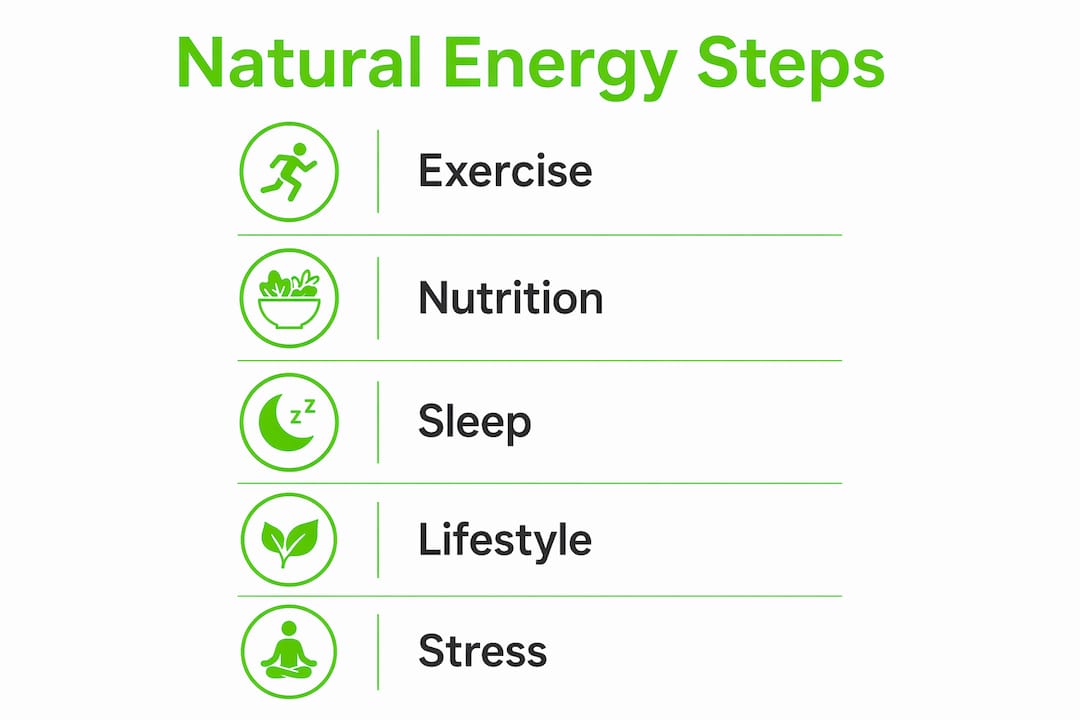
Sustainable energy is defined as the consistent capacity to think clearly, move freely, and perform well throughout the day without relying on stimulants or quick fixes. If you want to know how to increase energy without burning out, the answer lies in four evidence-based pillars: physical activity, nutrition, sleep quality, and energy management. Harvard Health, NPR, and AARP research from 2025 and 2026 all point to the same conclusion. Lifestyle changes, not supplements, drive lasting vitality. Experts including Dr Amy Shah and Dr Rajat Singh have built frameworks around this, with concepts like the “four P’s” of energy management and circadian rhythm alignment sitting at the centre of modern thinking on the subject.
How does exercise boost energy levels?
Exercise is the single most reliable way to raise your energy quickly and sustain it long term. Physical activity improves mitochondrial function, the process by which your cells convert food into usable fuel. It also triggers the release of neurotransmitters including dopamine and serotonin, which directly lift mood and mental clarity.
The current guidance from Harvard Health recommends 150 minutes of moderate-intensity aerobic activity per week, plus two muscle-strengthening sessions. That combination keeps both your cardiovascular system and your musculature primed for efficient energy production. Skipping the strength component is one of the most common mistakes people make when trying to feel more energetic.
You do not need long sessions to feel the effect. Short activity bouts of 10–30 minutes can lift mood and energy within three hours. That makes a lunchtime walk or a brief resistance circuit a genuinely useful tool, not just a consolation prize for a missed gym session.
The three most effective exercise categories for boosting energy levels are:
- Aerobic exercise (brisk walking, cycling, swimming): improves cardiovascular efficiency and oxygen delivery to muscles
- Resistance training (bodyweight, weights, bands): builds muscle mass, which raises your resting metabolic rate and reduces fatigue
- High-intensity interval training (HIIT): produces rapid mitochondrial adaptations and is time-efficient for people with busy schedules
Common mistakes include overexertion early on, which leads to soreness and avoidance, and inconsistency, which prevents the cumulative benefits from taking hold. Start at a level you can repeat three to four times a week without dreading it.
Pro Tip: Ten minutes of stretching during your workday measurably increases vitality and reduces anxiety. Set a recurring reminder at 11AM and 3PM and treat it as non-negotiable.
Which nutritional strategies naturally increase energy levels?
Food is your body’s primary fuel source, and the quality of that fuel determines how steadily your energy runs. The most important shift you can make is moving away from processed, high-sugar foods and towards nutrient-dense whole foods that release energy gradually.

Supplements do not boost energy if your baseline nutrient levels are already normal. That finding matters because many people spend money on vitamins when the real fix is dietary. A whole-food diet built around vegetables, legumes, whole grains, lean proteins, and healthy fats covers the nutritional ground that most supplements attempt to replicate.
Dr Amy Shah’s work, widely cited in NPR reporting, highlights plant-based, gut-friendly diets as particularly effective for metabolic energy. A healthy gut microbiome improves how efficiently your body extracts energy from food. Fermented foods, fibre-rich vegetables, and diverse plant sources all support that process.
Dr Rajat Singh, referenced in AARP research, points to intermittent fasting as a powerful tool for cellular energy restoration. Intermittent fasting activates autophagy, the process by which the body clears damaged mitochondria and resets cellular energy balance. A 12-hour overnight fast, for example from 7PM to 7AM, is enough to trigger this effect without requiring extreme restriction.
Meal timing also matters. Aligning eating with your circadian rhythm by fasting at least 12 hours overnight allows your gut to rest and your metabolism to reset. Front-loading calories earlier in the day and eating lighter in the evening keeps energy levels more stable.
| Nutrient | Key food sources | Energy role |
|---|---|---|
| Complex carbohydrates | Oats, sweet potato, brown rice | Steady glucose release, sustained fuel |
| Magnesium | Leafy greens, nuts, seeds | ATP production and muscle function |
| Iron | Lentils, spinach, lean meat | Oxygen transport to cells |
| B vitamins | Eggs, whole grains, legumes | Converting food into cellular energy |
| Healthy fats | Walnuts, avocado, olive oil | Brain function and hormone regulation |
For low-sugar snack ideas that keep energy stable between meals, choosing options built around whole ingredients makes a significant difference to afternoon performance.
Pro Tip: Avoid sugary drinks and high-caffeine products as a quick fix. They spike blood glucose and trigger a crash within 90 minutes. Swap them for water with lemon, herbal tea, or a small handful of nuts.
How does sleep affect your energy and how do you improve it?
Sleep is not passive recovery. It is the period during which your brain consolidates memory, your muscles repair, and your hormonal systems reset. Poor sleep quality, even with adequate hours, leaves you running on a deficit that no amount of coffee can fully correct.
The evidence-backed target is 7–9 hours per night, aligned with your natural circadian rhythm. Dr Amy Shah emphasises that the timing of sleep matters as much as the duration. Going to bed and waking at consistent times keeps your cortisol and melatonin cycles in sync, which directly affects how alert and energised you feel each morning.
Morning sunlight exposure stops melatonin production and signals your brain to shift into wakefulness mode. Getting outside within 30 minutes of waking, even on an overcast day, is one of the simplest and most effective natural energy boosters available. It costs nothing and takes under five minutes.
Practical sleep hygiene habits that support sustained vitality:
- Keep your bedroom cool, dark, and quiet
- Avoid screens for at least 45 minutes before bed
- Stop eating at least two to three hours before sleep to allow gut rest
- Avoid alcohol in the evening, as it fragments sleep architecture
- Build a short wind-down ritual: reading, light stretching, or breathing exercises
The gut rest point deserves emphasis. Late-night eating keeps your digestive system active when it should be recovering. That disrupts both sleep quality and the overnight metabolic reset that supports next-day energy. A nutritious morning routine that breaks your overnight fast with whole foods sets a strong energy foundation for the hours ahead.
What lifestyle habits sustain daily vitality?
Sustaining energy across a full day requires more than exercise and good food. It requires managing how you spend your energy, not just how you generate it. Harvard Health’s “four P’s” framework provides a practical structure: planning, pacing, positioning, and prioritising.
Planning means scheduling demanding tasks during your peak energy windows, typically mid-morning for most people. Pacing means building rest into your day before you feel exhausted, not after. Positioning refers to arranging your environment to reduce unnecessary effort. Prioritising means cutting low-value tasks that drain energy without meaningful return.
Chronic stress is one of the most underestimated causes of fatigue. It keeps cortisol elevated, disrupts sleep, and depletes the neurotransmitters that support motivation and focus. Stress reduction techniques including breathwork, short meditation sessions, and time in nature all produce measurable reductions in fatigue.
Social connection sustains biological energy by activating brain and muscle networks that physical inputs alone cannot reach. AARP research shows that regular social interaction prevents the ageing-related decline in energy biology. Even brief, meaningful conversations during the day contribute to this effect.
| Technique | Expected effect |
|---|---|
| Four P’s energy planning | Reduces energy debt and prevents afternoon crashes |
| 10-minute breathwork | Lowers cortisol and restores mental focus within minutes |
| Regular social interaction | Activates brain networks and sustains biological energy |
| Nature exposure (20 minutes) | Reduces stress hormones and improves mood and alertness |
| Digital detox periods | Reduces cognitive load and preserves decision-making energy |
Positive experiences and a sense of purpose also increase mitochondrial energy capacity. That is not motivational language. It reflects actual cellular biology. People who report higher life satisfaction show measurably better mitochondrial function. Building meaning into your daily routine is a legitimate energy strategy.
Pro Tip: Track your energy levels at three points each day for one week: morning, early afternoon, and evening. You will quickly identify your personal peak and trough windows, which makes the four P’s framework far more effective to apply.
Key takeaways
Lasting energy comes from aligning physical activity, whole-food nutrition, consistent sleep, and deliberate energy management rather than relying on stimulants or supplements.
| Point | Details |
|---|---|
| Exercise regularly | Aim for 150 minutes of aerobic activity weekly plus two strength sessions for sustained energy. |
| Prioritise whole foods | Nutrient-dense foods outperform supplements for energy when baseline nutrient levels are normal. |
| Align sleep with circadian rhythm | Consistent sleep timing and morning sunlight exposure are among the most effective natural energy boosters. |
| Apply the four P’s | Planning, pacing, positioning, and prioritising conserve daily energy and prevent fatigue debt. |
| Invest in social connection | Regular social interaction activates biological energy networks and reduces ageing-related fatigue. |
What I have learned about energy that most articles miss
People come to energy advice looking for a shortcut. I understand that. When you are running on empty at 2PM, you want a fix, not a lifestyle overhaul. But after years of working with and researching natural wellness approaches, the most important thing I have learned is this: energy management beats energy generation every time.
Most people try to produce more energy by doing more. More coffee, more supplements, more intense workouts. What actually works is spending energy more wisely. The four P’s framework from Harvard Health is not glamorous, but it is the single most practical tool I have seen for people who feel perpetually drained. Applying it for just one week changes how you experience your day.
The other thing I would push back on is the obsession with morning routines. Yes, morning sunlight and a good breakfast matter. But if you are eating late, sleeping inconsistently, and carrying chronic stress, no morning ritual will compensate. Fix the foundations first. The natural energy strategies that last are the boring ones: sleep, movement, real food, and rest.
Consistency over intensity. That is the honest answer.
— Arjit
Naturessoulshop and your natural energy goals
Eating for energy starts with the quality of what is in your kitchen. Naturessoulshop stocks a carefully selected range of organic foods and natural health products built around clean, whole ingredients. From nutrient-dense nuts and seeds to natural sweeteners that avoid the blood sugar spikes linked to refined sugar, every product is chosen with real vitality in mind.

The range includes fresh organic produce, vegan and gluten-free dry grocery staples, and supplements from trusted brands including Organic India. Whether you are building a gut-friendly diet, looking for smart snacking options, or supporting cardiovascular health with natural lipid care, Naturessoulshop offers products that align with the evidence-based strategies covered here. Browse the full range at naturessoulshop.com and stock your pantry with ingredients that actually support how you want to feel.
FAQ
How quickly can lifestyle changes increase energy?
Short activity bouts of 10–30 minutes can lift energy within three hours. Sustained improvements from sleep, nutrition, and stress management typically become noticeable within two to four weeks of consistent practice.
Do energy supplements actually work?
Supplements do not boost energy if your baseline nutrient levels are already normal. A whole-food diet is the more effective and evidence-backed approach for most people.
What is the best food to eat for sustained energy?
Complex carbohydrates, magnesium-rich foods, iron sources, and healthy fats from whole foods such as oats, leafy greens, lentils, and walnuts provide the most stable and sustained energy release.
How does morning sunlight help with energy?
Morning sunlight exposure stops melatonin production and signals the brain to shift into wakefulness. Getting outside within 30 minutes of waking is one of the simplest and most effective ways to feel more energetic each day.
What is the four P’s energy management framework?
The four P’s are planning, pacing, positioning, and prioritising. Developed by Harvard Health, the framework helps people conserve daily energy and avoid the fatigue debt that builds when activity and rest are poorly balanced.


