


TL;DR:
- Probiotics are live microorganisms that confer health benefits only when they are alive at consumption. Choosing strains that are clinically validated and ensuring their viability at the point of use is crucial for effectiveness. A balanced diet with fermented foods and targeted supplements supports gut health and overall wellbeing.
Probiotics are defined as live microorganisms that, when consumed in adequate amounts, confer a measurable health benefit on the host. The International Scientific Association for Probiotics and Prebiotics (ISAPP) confirmed this definition in 2026, anchoring the entire field around one non-negotiable standard: the microbes must be alive at the point of consumption. Understanding probiotics properly means grasping that viability is not a bonus feature. It is the baseline requirement. These microorganisms act through three core mechanisms: inhibiting harmful pathogens, producing antimicrobial substances, and modulating the immune system. Naturessoulshop stocks a range of organic, probiotic-friendly foods and supplements built around exactly these principles.
What are probiotics and how do they work?
Probiotics are live bacteria and yeasts that support health when consumed in sufficient quantities. The most studied genera include Lactobacillus and Bifidobacterium, though yeasts such as Saccharomyces boulardii also qualify. Each genus contains multiple species, and each species contains multiple strains. That hierarchy matters enormously, as you will see in the next section.

Once consumed, probiotic microbes colonise the gut temporarily and get to work through several biological routes. They compete with harmful bacteria for space and nutrients, produce short-chain fatty acids that feed the cells lining the intestinal wall, and signal the immune system to respond appropriately rather than overreact. These are not abstract processes. They translate into real, measurable outcomes: fewer episodes of diarrhoea, reduced bloating, and a more resilient gut lining.
The benefits of probiotics now extend well beyond digestion. Current research links probiotic use to immune regulation, clearer skin, improved metabolic markers, and even mental wellbeing. That last point is particularly striking. A subset of probiotics, now termed psychobiotics, influence gut-brain communication through neural, hormonal, and immune pathways. The gut and brain are in constant dialogue, and probiotics appear to shape that conversation.
Key areas where probiotics show documented benefit include:
- Digestive health: reducing symptoms of irritable bowel syndrome (IBS), antibiotic-associated diarrhoea, and bloating
- Immune function: modulating inflammatory responses and reducing the frequency of upper respiratory infections
- Skin health: improving conditions such as eczema and acne through the gut-skin axis
- Mental wellbeing: psychobiotics show promising effects on anxiety and low mood via the gut-brain axis
- Metabolic health: supporting healthy blood sugar regulation and lipid profiles
Probiotics are also gaining recognition in the fight against antimicrobial resistance, a global health crisis. By reducing the need for antibiotics in certain conditions, they offer a meaningful public health contribution beyond individual wellness.
Why does strain specificity matter so much?
Not all probiotics are equal. This is the single most important thing to understand when choosing a product. Strain specificity is essential: a strain effective for one condition may have no impact whatsoever on another. A probiotic labelled “Lactobacillus” without a strain designation tells you almost nothing useful.
Well-studied strains such as Lactobacillus rhamnosus GG carry substantial clinical evidence for reducing antibiotic-associated diarrhoea. Generic blends with no named strains carry almost none. Consumers frequently spend money on products that cannot deliver the outcome they are seeking, simply because the strain is wrong for the job.
Viability compounds this problem. Microbes can die during storage or transit, meaning a product with an impressive colony-forming unit (CFU) count at manufacture may deliver far fewer live organisms by the time it reaches you. High CFU counts at production are not a reliable indicator of efficacy. What matters is the count at the point of consumption.
Here is how to identify a credible probiotic product:
- Named strains: The label should list genus, species, and strain designation (e.g., Lactobacillus rhamnosus GG, not just “Lactobacillus”).
- Potency guarantee through shelf life: Look for “viable through end of shelf life” rather than “at time of manufacture.”
- Appropriate storage instructions: Many strains require refrigeration. A product stored at room temperature with no explanation deserves scrutiny.
- Clinical backing: Check whether the specific strain has published human trials, not just in-vitro laboratory studies.
- Reputable certification: Third-party testing or certification from recognised bodies adds a meaningful layer of assurance.
Pro Tip: When reading a probiotic label, ignore the total CFU count if the strains are not named. A lower count of a clinically validated, named strain outperforms a high count of an anonymous blend every time.
Scientific reviews confirm that critical knowledge gaps remain on long-term safety, optimal dosages, and interactions with individual genetics and diet. This explains why two people can take the same probiotic and report entirely different results. Personalised approaches, informed by microbiome analysis, are where the science is heading.
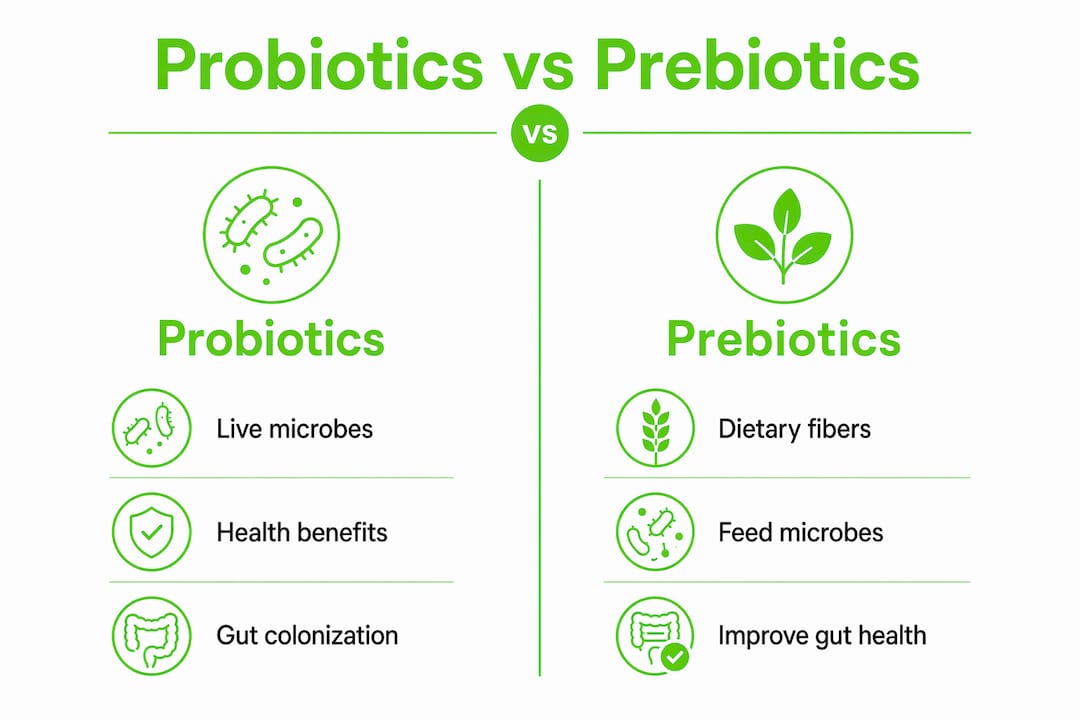
Probiotics vs prebiotics, synbiotics, and postbiotics
The “biotics” family is broader than most people realise. Confusing these terms leads to poor purchasing decisions and missed health opportunities. The ISAPP definitions are the gold standard for distinguishing them.
| Term | Definition | Primary role |
|---|---|---|
| Probiotics | Live microorganisms conferring health benefits when consumed adequately | Directly support gut microbiome balance and immune function |
| Prebiotics | Substrates selectively used by host microorganisms to confer a health benefit | Feed and fuel beneficial bacteria already present in the gut |
| Synbiotics | A combination of probiotics and prebiotics working together | Deliver live microbes alongside their preferred food source |
| Postbiotics | Non-living microbial components or metabolites with health effects | Provide benefits without requiring viable organisms |
Prebiotics are essentially food for your gut bacteria. Dietary fibres such as inulin, found in chicory root and Jerusalem artichokes, feed Bifidobacterium species and help them thrive. Without adequate prebiotic intake, even a well-chosen probiotic supplement may underperform. The relationship between prebiotics and probiotics is genuinely synergistic, not interchangeable.
Synbiotics combine both in a single product, designed so the prebiotic component specifically supports the probiotic strains included. Postbiotics are the newest category. They include bacterial cell wall components, metabolites, and heat-killed bacteria that retain biological activity even without being alive. For people with compromised immune systems who cannot safely consume live organisms, postbiotics offer a meaningful alternative.
Selecting the right combination depends on your specific wellness goal. Digestive complaints may respond best to a targeted probiotic with a complementary prebiotic. Skin health goals may benefit from a synbiotic approach that supports the gut-skin axis over time.
How to add probiotics to your daily routine
Food is the most natural and accessible route to probiotic intake. Fermented foods such as live yogurt, kefir, sauerkraut, kimchi, miso, and tempeh all deliver live cultures when unpasteurised and properly stored. Pasteurisation kills the microbes, so always check that a fermented product contains “live and active cultures.”
Practical steps for building probiotics into daily life:
- Start with food: Add a serving of live yogurt or kefir to breakfast. These are low-risk, widely available, and well-tolerated by most people.
- Diversify your sources: Different fermented foods carry different strains. Rotating between yogurt, kimchi, and miso broadens your microbial exposure.
- Support with prebiotics: Eat plenty of garlic, onions, leeks, bananas, and oats. These feed the beneficial bacteria you are introducing.
- Store supplements correctly: Refrigerate any probiotic supplement that requires it. Heat and moisture degrade live cultures quickly.
- Time your dose sensibly: Taking a probiotic supplement with or just before a meal reduces the acidity the microbes face in the stomach, improving survival rates.
Pro Tip: If you are taking antibiotics, continue your probiotic but space it at least two hours away from the antibiotic dose. Taking them simultaneously reduces the probiotic’s effectiveness, as the antibiotic cannot distinguish between harmful and beneficial bacteria.
Certain groups require extra caution. People who are immunocompromised, critically ill, or have a central venous catheter should consult a healthcare professional before starting any probiotic, including food-based sources. Rare probiotic-induced infections have been documented in vulnerable populations. For the vast majority of healthy adults and older children, probiotics from food and reputable supplements are safe and well-tolerated. If you are unsure, a GP or registered dietitian is the right first call.
Explore non-dairy probiotic options if you are lactose intolerant or following a plant-based diet. Fermented plant foods such as tempeh, kimchi, and water kefir deliver live cultures without any dairy content.
Key takeaways
Probiotics deliver measurable health benefits only when the right strain is consumed alive, in adequate amounts, with consistent dietary support.
| Point | Details |
|---|---|
| Viability is non-negotiable | Microbes must be alive at consumption, not just at the point of manufacture. |
| Strain specificity determines outcome | Choose named, clinically validated strains rather than generic blends. |
| Food first, supplements second | Fermented foods like live yogurt and kefir are the most accessible probiotic source. |
| The biotics family is distinct | Prebiotics, synbiotics, and postbiotics each serve different roles and are not interchangeable with probiotics. |
| Vulnerable groups need medical advice | Immunocompromised individuals should consult a healthcare professional before using any probiotic. |
Where probiotic science is heading, and what I think you should do now
The science of probiotics is shifting from broad-spectrum supplements to personalised, strain-specific therapies informed by individual microbiome analysis. That shift is exciting, but it also exposes how much we still do not know. Critical gaps remain on long-term safety, optimal dosing, and how genetics and diet interact with probiotic efficacy. I find this honesty from researchers refreshing. It means the field is maturing rather than overpromising.
What frustrates me is the marketing noise that drowns out this nuance. Products boasting billions of CFUs with no named strains, no viability guarantee, and no clinical evidence are sold as if they are equivalent to well-researched formulations. They are not. The gap between a credible probiotic and a mediocre one is enormous, and most labels do not make it easy to tell the difference.
My honest view is this: start with food. Live yogurt, kefir, and fermented vegetables are not glamorous, but they are backed by centuries of safe use and increasingly by solid science. If you move to supplements, do the work of reading the label. Named strains, shelf-life potency guarantees, and third-party testing are the three things I look for without exception.
The one-size-fits-all probiotic era is ending. The next decade will bring targeted, microbiome-informed recommendations that feel nothing like the generic capsule market of today. Until then, informed, cautious use combined with a diet rich in fibre and fermented foods is the most defensible position.
— Arjit
Quality organic foods to support your gut health
Naturessoulshop brings together organic, clean-ingredient products across every category that matters for digestive wellness, from fermented dairy and vegan alternatives to dry grocery staples and health supplements.
The Naturessoulshop online store stocks probiotic-friendly options including yogurt starter cultures with live probiotic strains, vegan and gluten-free foods, and a curated health range built around clean, traceable ingredients. Whether you are building a gut-friendly diet from scratch or looking to add targeted supplements, the health category covers the essentials without unnecessary additives. Every product reflects the same principle that good probiotic science does: what goes in matters as much as what is on the label.
FAQ
What are probiotics, exactly?
Probiotics are live microorganisms that confer a health benefit on the host when consumed in adequate amounts. The ISAPP 2026 definition requires the microbes to be alive at the point of consumption to qualify.
How do probiotics support gut health?
Probiotics improve gut health by inhibiting harmful pathogens, producing short-chain fatty acids that strengthen the intestinal lining, and modulating immune responses within the digestive tract.
Does strain type really make a difference?
Yes. Strain specificity is essential: a strain effective for one condition may have no effect on another. Always choose products with named, clinically validated strains rather than generic blends.
What is the difference between a probiotic and a prebiotic?
Probiotics are live microorganisms; prebiotics are substrates that feed beneficial microbes already in the gut. They serve different but complementary roles in supporting a balanced microbiome.
Are probiotics safe for everyone?
Probiotics are safe for most healthy adults and older children. However, immunocompromised individuals and critically ill patients should seek medical advice before use, as rare infections have been documented in vulnerable groups.


