


For a solid natural routine, you need four things: a gentle sulfate-free cleanser, a moisturiser or facial oil, a mineral SPF 30+ sunscreen, and one targeted treatment (a serum or facial oil for your main concern). Before you buy anything, check for a Soil Association, COSMOS, or NATRUE badge on the product page. No badge? Move on.
- Cleanser: sulfate-free, short ingredient list, no undisclosed “parfum”
- Moisturiser or facial oil: jojoba or rosehip for most skin types; colloidal oatmeal formulas for sensitive skin
- Mineral SPF 30+: zinc oxide or titanium dioxide as the active; tinted options available for darker skin tones
- Treatment (optional at first): a serum or targeted oil for your specific concern, introduced one at a time
Pro Tip: When shopping online, paste the product name plus “INCI list” into your browser before buying. If the brand does not publish a full ingredient list, that alone is a reason to look elsewhere.
Table of Contents
- Which product types should you prioritise in an organic routine?
- How do you choose trusted organic and natural skin care products in the UK?
- What does a simple, evidence-based natural skincare routine look like?
- What should you look for in a mineral sunscreen for a natural routine?
- Where should you buy organic natural skincare in the UK?
- Certified organic picks from Naturessoulshop
- Key takeaways
- Why certified sourcing matters more than the label
- Shop Naturessoulshop’s certified organic skincare range
- Useful sources and further reading
Which product types should you prioritise in an organic routine?
Certified organic natural skin care products are not all equal in terms of where they earn their keep. Some categories matter more than others, and knowing the difference saves money and shelf space.
Cleansers do their job and rinse away. A gentle, sulfate-free formula with a short botanical ingredient list is all you need. Spending heavily here rarely pays off compared to leaving a treatment on your skin overnight.
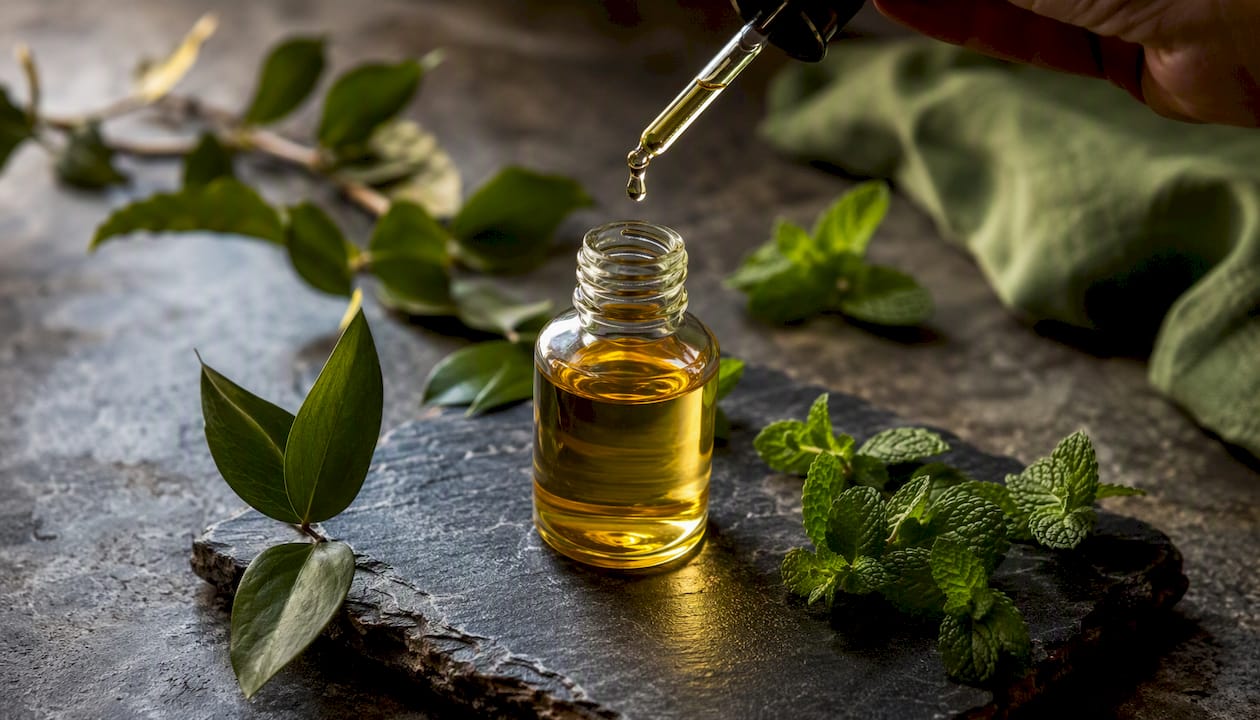
Moisturisers and facial oils are where botanical actives have time to work. Plant oils such as jojoba and rosehip are widely used natural moisturisers: jojoba is non-comedogenic and suits oily or acne-prone skin, while rosehip supports regeneration and works well for dry or mature skin. Bakuchiol, a plant-based alternative to retinol, has fewer irritation reports and is worth considering if you want an anti-ageing active without the sensitivity risk.
For sensitive or eczema-prone skin, colloidal oatmeal is an established skin protectant with a long safety record. Look for it near the top of an INCI list, not buried at the bottom as a token ingredient.
Serums sit between cleanser and moisturiser and deliver a higher concentration of actives. They are worth the spend for specific concerns like hyperpigmentation or fine lines. A basic moisturiser, by contrast, can often be a cost-effective choice.

Mineral SPF is the single most impactful product in any routine, natural or otherwise. Sunscreen is the most effective anti-ageing step available, and a mineral formula fits naturally into a certified organic routine.
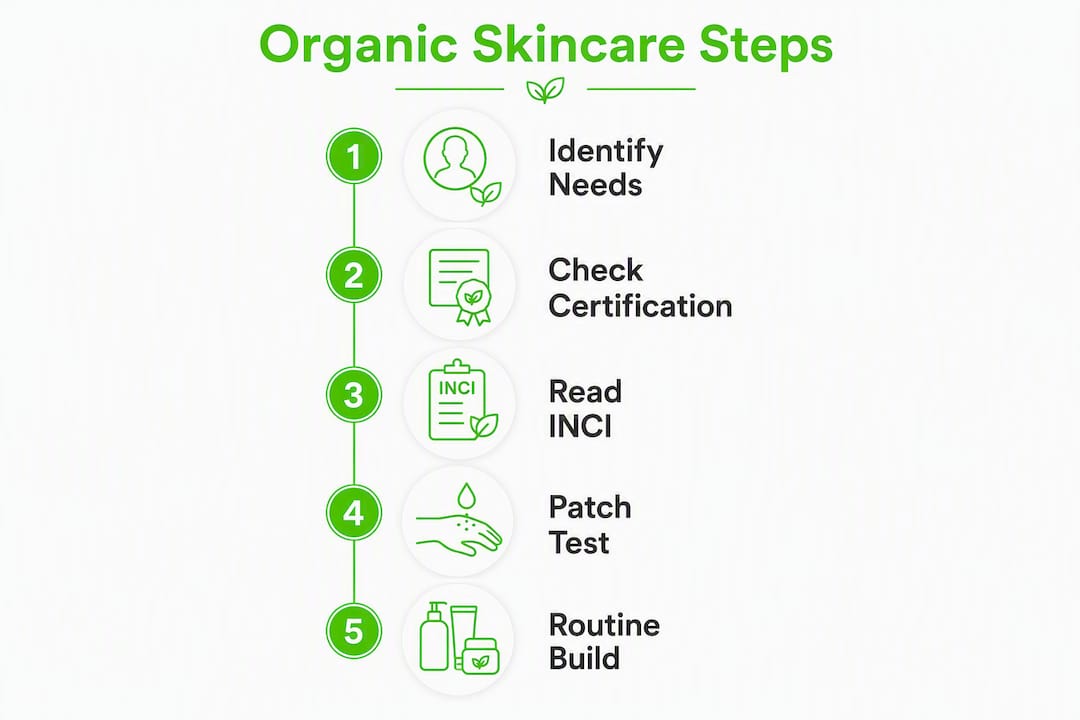
Pro Tip: Start with three products, not six. Layering too many botanical actives at once makes it impossible to identify what is working or causing a reaction. Add one new product every two to three weeks.
How do you choose trusted organic and natural skin care products in the UK?
Certification: the only shortcut worth trusting
The word “natural” carries no legal definition in UK cosmetics regulation. The Soil Association is explicit on this: without third-party certification, a “natural” or “organic” claim is marketing, not a verified standard. The three certifications to look for are:
- Soil Association Organic — the UK’s most recognised standard; requires a minimum percentage of certified organic ingredients and prohibits a long list of synthetic chemicals.
- COSMOS (or COSMOS-approved) — the European standard adopted widely in the UK; covers both “organic” and “natural” tiers with defined ingredient thresholds.
- NATRUE — an international standard with three tiers (natural, natural with organic portion, organic); strict on synthetic processing aids.
You can verify any of these on the certifying body’s own website. If a product page shows a badge but the brand is not listed on the Soil Association or COSMOS database, treat it as unverified.
Reading an INCI list
Ingredients are listed in descending order by concentration. Botanical ingredients appear under their Latin names (e.g., Rosa canina for rosehip). Watch for “parfum” on the INCI: it is an umbrella term that can conceal dozens of undisclosed synthetic chemicals, including known allergens. Fragrance-free options are the safer choice for sensitive skin.
Responsible preservation is also worth understanding. A product rich in botanical extracts and water needs a preservative system to prevent microbial growth. Potassium sorbate and validated plant-derived ferments are reputable options. A “preservative-free” claim on a water-based product is a red flag, not a selling point.
What does certified organic skincare cost?
Certified organic formulations cost more than conventional equivalents because of certified ingredient sourcing, smaller production runs, and the audit costs of maintaining certification. Mid-range products from certified brands often represent better value than premium-priced products that carry no badge. Spend most on sunscreen and targeted treatment oils or serums; save on basic moisturisers.
Patch testing: do not skip it
Apply a small amount to your inner forearm and wait 24–48 hours before using any new botanical product on your face. Many reactions attributed to a “purge” are actually irritant or allergic responses to a specific botanical or essential oil. A genuine purge from an active ingredient is rare; a sensitivity reaction is common.
Pro Tip: Keep a simple note of which products you patch-tested and when. If a reaction appears later, you will know exactly which product to remove.
What does a simple, evidence-based natural skincare routine look like?
A minimalist routine needs only 3–4 products and should be given 4–6 weeks before you judge whether it is working. Switching products every fortnight is one of the most common reasons people conclude that natural skincare “does not work.”
Morning routine
- Cleanse with a gentle sulfate-free cleanser, or simply rinse with cool water if your skin is not oily.
- Moisturise with a lightweight facial oil or cream suited to your skin type.
- Apply mineral SPF 30+ as the final step, every morning, regardless of weather.
Evening routine
- Cleanse to remove SPF, pollution, and makeup.
- Apply serum or treatment oil (rosehip, bakuchiol, or a targeted botanical serum) while skin is still slightly damp.
- Seal with moisturiser if your skin needs it; oily skin types may find the serum alone is sufficient.
Apply products in order of texture: thinnest first, thickest last. Avoid combining a high-strength vitamin C serum with potent essential oils in the same step; both can irritate, and together the risk increases.
Pro Tip: Introduce active botanicals at night first. If a reaction occurs, you have time to identify it before it affects your day.
What should you look for in a mineral sunscreen for a natural routine?
Mineral sunscreens use zinc oxide or titanium dioxide as their active filters. Both sit on the skin surface and reflect UV radiation rather than being absorbed into the bloodstream, which is why they are preferred in natural and certified organic routines, particularly for sensitive skin.
- SPF 30+ and broad-spectrum protection covers both UVA and UVB; anything below SPF 30 is insufficient for daily use.
- Tinted mineral SPF formulas reduce the white cast that untinted zinc oxide leaves on medium and darker skin tones. Several UK brands now offer tinted options across a range of shades.
- Application amount: most people apply far less than the tested amount. Use roughly a teaspoon for the face and neck combined.
- Reapplication: every two hours when outdoors, or after swimming or heavy perspiration.
- Layering with makeup: apply SPF as the last skincare step, before foundation or tinted moisturiser. Mixing SPF into a moisturiser dilutes its protection.
- Sensitive skin note: mineral filters are less likely to cause contact reactions than chemical filters, making them the preferred choice for rosacea-prone or reactive skin.
Where should you buy organic natural skincare in the UK?
Checklist for a trustworthy seller
- Visible, full INCI list on every product page (not just “key ingredients”)
- Recognised certification badge (Soil Association, COSMOS, or NATRUE) with a verifiable brand listing
- Genuine customer reviews, ideally with verified purchase labels
- Clear returns policy and a UK contact address or customer support channel
- Sealed packaging on delivery; check that tamper-evident seals are intact
Verifying certification claims
If a product claims to be “organic” but carries no recognised badge, check the Soil Association’s certified brand database directly. COSMOS and NATRUE both maintain searchable registries. A brand that cannot be found in any of these registries is making an unverified claim.
Natural products are more temperature-sensitive than conventional ones. If you receive a product that has separated, smells off, or has a broken seal, contact the seller before using it. Responsible retailers will replace or refund without question.
Certified organic picks from Naturessoulshop
Naturessoulshop curates certified organic and natural products across skincare and wellness, selecting formulations on the basis of ingredient clarity, recognisable certification, and purposeful ingredient lists. The organic skincare range at Naturessoulshop focuses on products with verifiable credentials and transparent sourcing.
- Facial oils and treatment serums: selected for certified organic botanical actives, clear INCI lists, and suitability across skin types including sensitive and acne-prone.
- Moisturisers: formulated without synthetic fragrance; options available for dry, combination, and sensitive skin.
- Supplements that support skin from within: including Beautiful Skin Capsules by Organic India, which complement a topical routine with certified organic botanicals.
Every product listed includes a full ingredient breakdown. If you have a question about a specific certification or ingredient, the Naturessoulshop team can provide sourcing details on request.
Pro Tip: Filter the Naturessoulshop skincare range by “vegan” and “cruelty-free” to narrow your shortlist quickly. Both filters are available on the category page.
Key takeaways
Certified third-party badges (Soil Association, COSMOS, NATRUE) and a full INCI list are the only reliable ways to verify that organic natural skin care products are what they claim to be.
| Point | Details |
|---|---|
| Start with four products | Cleanser, moisturiser or facial oil, mineral SPF 30+, and one treatment; add more only after 4–6 weeks. |
| Verify certification badges | Check Soil Association, COSMOS, or NATRUE registries directly; a badge without a verifiable listing is unconfirmed. |
| Patch test every new botanical | Apply to your inner forearm for 24–48 hours; reactions are usually sensitivity, not a purge. |
| Spend most on SPF and serums | Sunscreen is the most impactful anti-ageing step; basic moisturisers can be cost-effective. |
| Naturessoulshop certified range | Browse the certified organic skincare collection at Naturessoulshop for products with full INCI lists and verifiable credentials. |
Why certified sourcing matters more than the label
The gap between what “natural” promises and what it actually delivers is almost entirely a certification problem. Brands that invest in Soil Association or COSMOS certification are submitting to annual audits, ingredient traceability requirements, and formulation reviews. Brands that simply print “natural” on the packaging are not. That distinction is not subtle; it is the entire difference between a verified claim and a marketing decision.
What I find underappreciated is how much the INCI list tells you before you even look at the certification badge. A short list of recognisable botanical names, a named preservative system, and no “parfum” entry is a stronger signal of genuine transparency than a badge alone. Certification matters, but a brand that publishes a clear, honest ingredient list is already showing you something about how it operates.
The other thing worth saying plainly: natural skincare does work, but it works on a different timeline than the before-and-after photographs suggest. Giving a routine 4–6 weeks is not patience for its own sake; it is the minimum time for skin cell turnover to reflect a change in what you are applying. Switching products every two weeks and concluding they failed is one of the most common and avoidable mistakes.
Shop Naturessoulshop’s certified organic skincare range
Naturessoulshop brings together certified organic skincare and wellness products under one roof, with full ingredient transparency on every listing. For UK shoppers who want verified options without spending hours cross-referencing certification databases, the range does that work upfront.

Every product in the skincare collection is selected for a clear INCI list, recognisable certification, and purposeful formulation. UK delivery is available, and the team is reachable for any ingredient or certification query before you buy. Sealed goods are dispatched carefully to protect temperature-sensitive botanical formulations.
Browse the certified organic skincare collection at Naturessoulshop and use the vegan and cruelty-free filters to find the right fit for your routine. If you have a question about a specific product’s certification, contact the team directly through the site.
Useful sources and further reading
These are the primary references used in this guide and the best places to verify certification claims or ingredient safety independently.
- Soil Association — the UK’s leading organic certification body; use the certified brand database to verify any “organic” claim on a skincare product.
- COSMOS standard — the European certification framework for organic and natural cosmetics; searchable registry of certified brands and products.
- NATRUE — international natural and organic cosmetics standard; three-tier certification with a public brand registry.
- PMC — plant extracts in skincare (clinical review) — peer-reviewed evidence on botanical actives and their skin benefits.


