


The strongest organic gluten free flour options available in the UK right now come from three main producers: Shipton Mill, Doves Farm, and Freee Foods. Between them, they cover everything from fine white rice flour and protein-rich quinoa flour to ready-to-use bread blends, all carrying credible organic and gluten free certification. Planet Organic rounds out the field with its own certified range for shoppers who prefer a single trusted retailer. The table below maps the key products against type, pack size, and certification status.
| Product | Type | Pack Size | Organic Cert | Gluten Free Cert | Best For |
|---|---|---|---|---|---|
| Freee Foods Organic Gluten Free Plain White Flour | Plain white blend | 1kg | Yes | Yes | Everyday baking |
| Shipton Mill Gluten Free Organic Buckwheat Flour | Single-origin | 750g–16kg | Yes | Yes | Pancakes, crêpes |
| Shipton Mill Gluten Free Organic Chestnut Flour | Single-origin | 750g–16kg | Yes | Yes | Sweet bakes, thickening |
| Shipton Mill Gluten Free Organic White Rice Flour | Single-origin | 750g–16kg | Yes | Yes | Bread blends, sauces |
| Shipton Mill Gluten Free Organic Brown Rice Flour | Wholegrain | 750g–16kg | Yes | Yes | Nutrient-boosting blends |
| Shipton Mill Gluten Free Organic Quinoa Flour | Single-origin | 750g–16kg | Yes | Yes | Protein-boosting baking |
| Shipton Mill Gluten Free Organic Millet Flour | Single-origin | 750g–16kg | Yes | Yes | Muffins, light cakes |
| Shipton Mill Gluten Free Organic Maize Flour | Single-origin | 750g–16kg | Yes | Yes | Tortillas, cornbread |
| Shipton Mill Gluten Free Organic Tapioca Starch | Starch | 750g–16kg | Yes | Yes | Texture, moisture |
| Shipton Mill Gluten Free Organic Potato Starch | Starch | 750g–16kg | Yes | Yes | Structure, lightness |
| Shipton Mill Gluten Free Organic Oat Flour | Single-origin | 750g–16kg | Yes | Yes | Cookies, muffins |
| Planet Organic Gluten Free Flour Range | Blends | Multiple | Yes | Yes | Convenient baking |
| Doves Farm Organic Gluten Free Plain White Flour | Plain white blend | 1kg | Yes | Yes | General cooking |
| Doves Farm Organic Gluten Free White Bread Flour | Bread blend | 1kg | Yes | Yes | Yeasted bread |
How do these organic gluten free flours compare in detail?
Shipton Mill’s range stands apart for sheer breadth. The Cotswolds-based mill supplies many of Britain’s best artisan bakeries, and its retail gluten free range carries the same organic certification standards as its trade products. Pack sizes run from 750g up to 16kg, which suits both occasional home bakers and those who bake weekly in volume.
Key highlights by product:
- Shipton Mill Gluten Free Organic Buckwheat Flour: Earthy, nutty flavour. Works best in pancakes, crêpes, and savoury bakes. Buckwheat is a seed, not a grain, so it brings a distinct depth that pairs well with chocolate or spices.
- Shipton Mill Gluten Free Organic Chestnut Flour: Naturally sweet and dense. Excellent for thickening sauces or adding character to biscuits and cakes.
- Shipton Mill Gluten Free Organic White Rice Flour: Fine-milled and neutral. The go-to base flour for most gluten free blends and a reliable thickener for gravies.
- Shipton Mill Gluten Free Organic Brown Rice Flour: Wholegrain version with more fibre and a slightly nuttier taste. Adds nutritional depth to any blend.
- Shipton Mill Gluten Free Organic Quinoa Flour: Protein-rich and slightly bitter on its own, so best used as part of a blend rather than solo.
- Shipton Mill Gluten Free Organic Millet Flour: Light, mildly sweet, and well suited to muffins and sponge cakes where a delicate crumb matters.
- Shipton Mill Gluten Free Organic Maize Flour: Sweet corn flavour with a fine texture. Ideal for tortillas and cornbread, and it adds a pleasant golden colour.
- Shipton Mill Gluten Free Organic Tapioca Starch and Potato Starch: Both are neutral-flavoured binders. Tapioca adds chewiness and moisture retention; potato starch contributes lightness and a crisp crust.
- Shipton Mill Gluten Free Organic Oat Flour: Mildly sweet with a wholesome texture. Certified gluten free, which matters because standard oats are frequently cross-contaminated.
Doves Farm’s two gluten free products take a different approach. The Organic Gluten Free Plain White Flour is a pre-mixed blend designed as a direct swap for plain flour in everyday recipes. The Organic Gluten Free White Bread Flour is formulated specifically for yeasted loaves, giving consistent rise and structure without wheat. Doves Farm has been Soil Association certified since 1978 and is the benchmark organic flour brand in Britain for good reason.
Freee Foods Organic Gluten Free Plain White Flour is the same product family, widely stocked in supermarkets and health food shops across the UK.
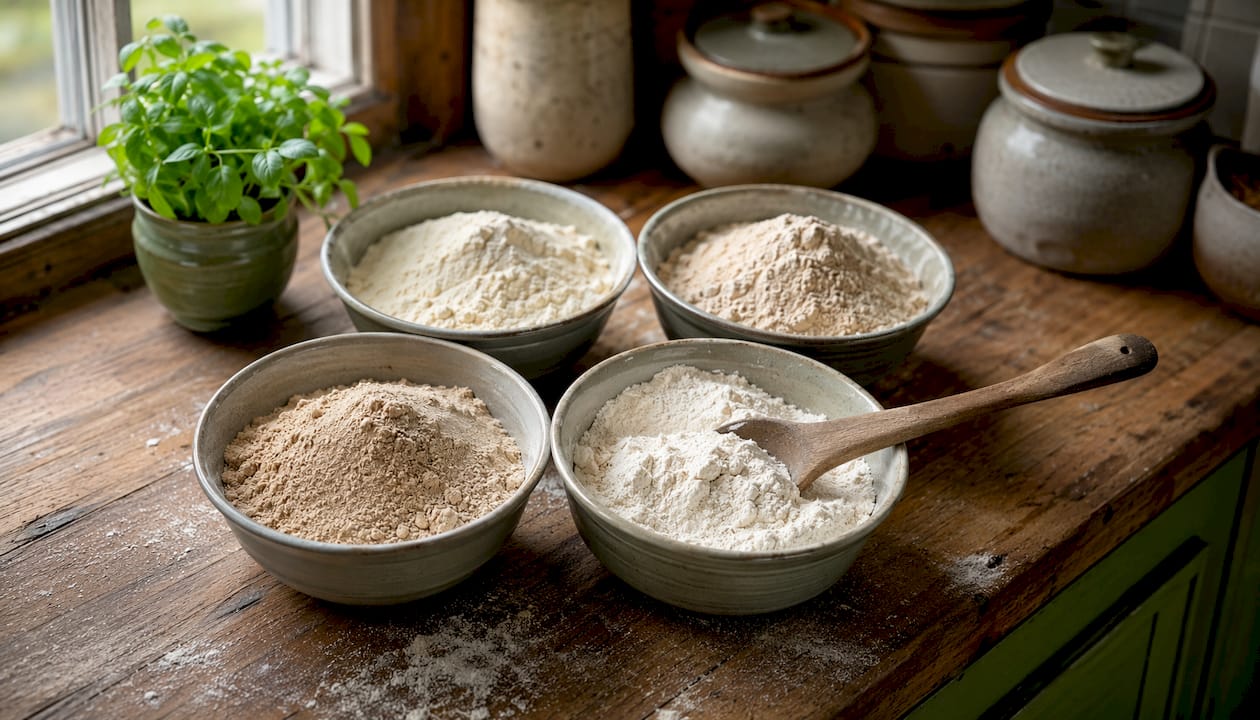
Planet Organic’s gluten free flour range offers certified blends available in multiple pack sizes, making it a practical choice for shoppers who already buy from Planet Organic and want to consolidate their basket.
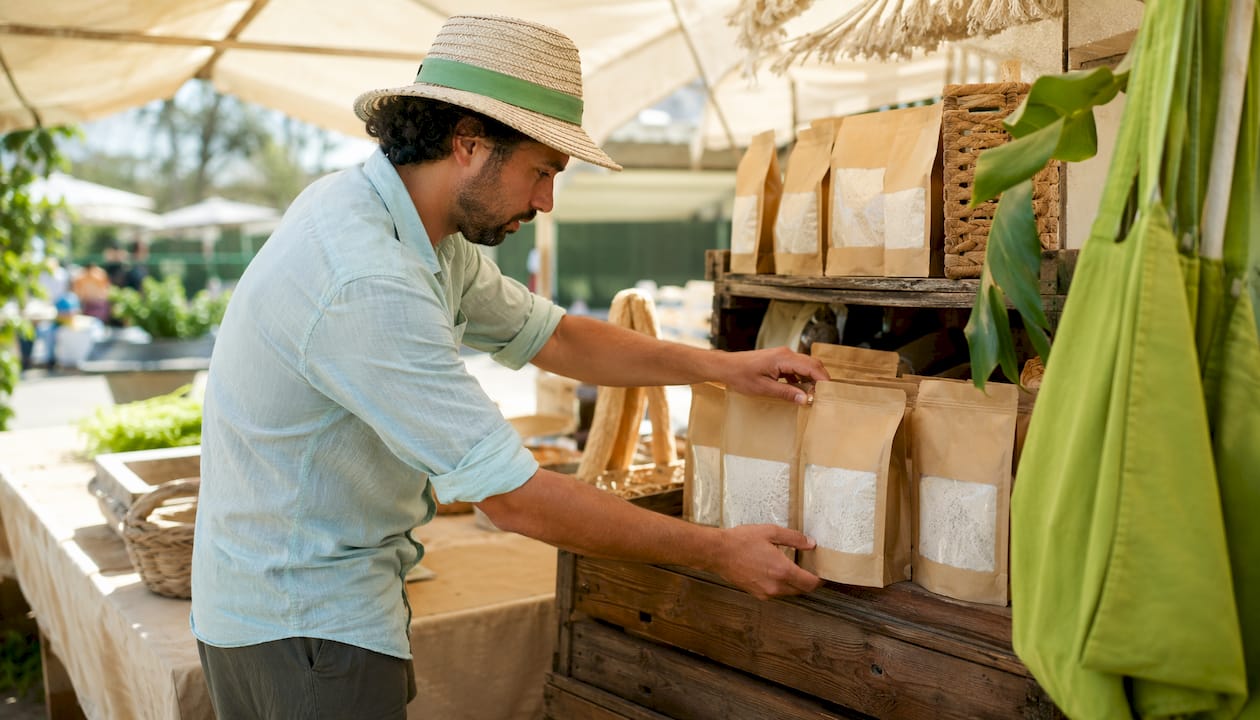
How to choose the right organic gluten free flour for your baking
The single most useful question to ask before buying is: what am I actually making? A bread loaf, a batch of pancakes, and a delicate sponge cake each need a different flour profile.
Key factors to weigh:
- Organic certification: Look for the Soil Association or Organic Farmers and Growers (OF&G) logo. Both bodies require annual audits, full traceability, and prohibit bleaches or synthetic agents in milling.
- Gluten free assurance: Certification from a recognised body (such as Coeliac UK’s crossed grain symbol) confirms the product was milled in a dedicated facility or under strict cross-contamination controls.
- Flour type: Single-origin flours (buckwheat, millet, rice) give you control over blending. Pre-mixed blends (Doves Farm, Freee Foods) are faster for everyday use.
- Pack size: Shipton Mill’s 750g–16kg range suits both occasional and regular bakers. Buying in bulk cuts cost per gram considerably.
- Additive transparency: Check the ingredient list. A quality organic gluten free flour should list one ingredient: the flour itself, or named flour components in a blend.
Pro Tip: Gluten free batters thicken as they rest, so adjust hydration by adding a little extra liquid after the batter has sat for five minutes. This is especially true for rice flour-based blends.
What are the main flour types used in gluten free blends?
No single gluten free flour replicates wheat on its own. Quality results depend on blends that balance structure, lightness, and flavour. Here is how the common types contribute:
- White rice flour: Neutral base, fine texture, good for structure in cakes and bread blends.
- Brown rice flour: Adds fibre and a slightly nuttier flavour; pairs well with white rice flour.
- Buckwheat flour: Earthy and protein-rich; best used at 20–30% of a blend to avoid overpowering other flavours.
- Millet flour: Light and sweet; contributes a tender crumb in cakes and muffins.
- Maize flour: Adds sweetness and a golden colour; works well in flatbreads and quick breads.
- Chestnut flour: Dense and naturally sweet; used in smaller quantities for flavour.
- Tapioca starch: Improves chewiness and moisture retention; typically 10–20% of a blend.
- Potato starch: Lightens texture and helps achieve a crisp crust; used similarly to tapioca starch.
- Oat flour (certified gluten free): Adds a wholesome, slightly chewy quality to cookies and muffins.
- Quinoa flour: High in protein and minerals; best blended with milder flours to balance its bitterness.
Why additive-free organic certification matters for flour quality
Organic certification eliminates synthetic chemical residues from the grain and prohibits bleaching agents in milling, which means the flour you use contains exactly what the label says. For shoppers managing coeliac disease or chemical sensitivities, that transparency is not a marketing point; it is the whole reason to pay the premium.
Smaller UK mills producing under 500 tonnes annually are exempt from mandatory folic acid fortification, preserving organic purity. The Soil Association goes further: its standards explicitly prohibit organic mills from voluntarily adding folic acid, keeping the flour free from synthetic additives entirely.
Expert tips for selecting high-quality organic gluten free flour:
- Choose mills certified by the Soil Association or OF&G, both of which conduct annual on-site audits.
- Prefer single-ingredient flours where the label lists only the flour itself, with no gums, starches, or raising agents added.
- For bread baking, look for a dedicated bread flour blend (such as Doves Farm’s White Bread Flour) rather than adapting a plain flour blend, which often lacks the protein structure needed for a good rise.
- Buy from mills that publish sourcing information. Shipton Mill and Doves Farm both state their grain origins publicly.
Where to buy organic gluten free flour in the UK
Doves Farm and Freee Foods products are stocked in most major supermarkets, including Waitrose, Sainsbury’s, and Tesco, as well as health food retailers such as Holland & Barrett. Shipton Mill sells direct through its own website with UK-wide delivery, and its range is also available through specialist online retailers including Ocado and independent health food shops. Planet Organic sells its flour range in-store at its London locations and online.
For shoppers who prefer a curated organic and natural grocery experience, organic gluten free options are also available through specialist online stores that focus specifically on clean-ingredient products.
What are the delivery options and return policies?
Shipton Mill offers direct UK delivery, with costs varying by order size. Doves Farm products ordered through the brand’s website carry standard UK delivery charges, though most shoppers find it more convenient to buy in-store or through Ocado. Planet Organic offers online delivery across the UK.
For third-party retailers, delivery thresholds and costs vary. As a reference point, some specialist organic retailers tier delivery costs: orders over £70 attract charges from around £1.95, with higher charges for smaller baskets. Return policies for food products are typically limited to damaged or incorrectly supplied goods; check the individual retailer’s terms before ordering.
How long do these flours last, and how should you store them?
Most organic gluten free flours carry a best-before date of 6–12 months from milling when stored correctly. The key rule is airtight containers kept away from heat and moisture. Rice flour and starches are the most stable and can sit in a cool cupboard without issue. Nut-based or wholegrain flours (brown rice, quinoa, chestnut) contain more natural oils and are better stored in the fridge once opened, particularly in warmer months. Oat flour is similarly best refrigerated after opening.
Buying in bulk from Shipton Mill’s 16kg range makes sense only if you bake regularly enough to use the flour within its shelf life. For occasional bakers, the 750g size is the more practical choice.
How do Shipton Mill, Doves Farm, and Freee Foods compare on reputation and sourcing?
Doves Farm has been Soil Association certified since 1978 and mills on its own Berkshire farm. That farm-to-bag traceability is rare and gives the brand a credibility that few competitors match. Shipton Mill, based in the Cotswolds, supplies artisan bakeries across Britain and applies the same sourcing rigour to its retail range. Both mills publish grain origin information and hold current organic certification.
Freee Foods operates as Doves Farm’s dedicated gluten free brand, carrying the same certification and sourcing standards. Planet Organic sources certified organic products and applies its own quality standards across its flour range, though it does not mill its own grain.
Are organic gluten free flours good value for money?
Organic gluten free flour costs more than conventional flour, and that gap is real. A 500g bag of organic strong bread flour runs around £2, compared with artisan sourdough loaves priced at £4–£6 each. For regular home bakers, the maths favours buying flour in bulk.
Shipton Mill’s larger pack sizes (5kg and 16kg) bring the cost per gram down considerably. Doves Farm’s 1kg bags are priced competitively for supermarket shoppers who bake occasionally. The real value calculation is not just price per gram; it is the cost of certified organic, additive-free ingredients versus what you would spend on equivalent quality at an artisan bakery.
Naturessoulshop: a clean-ingredient alternative worth knowing about
If you want organic and natural products without hunting across multiple specialist retailers, Naturessoulshop stocks a curated range of gluten free pantry staples alongside the broader wellness grocery range the brand is built around. The focus is clean ingredients across every category, from dry grocery to vegan and gluten free lines, which means you are not compromising on sourcing standards when you fill the rest of your basket.
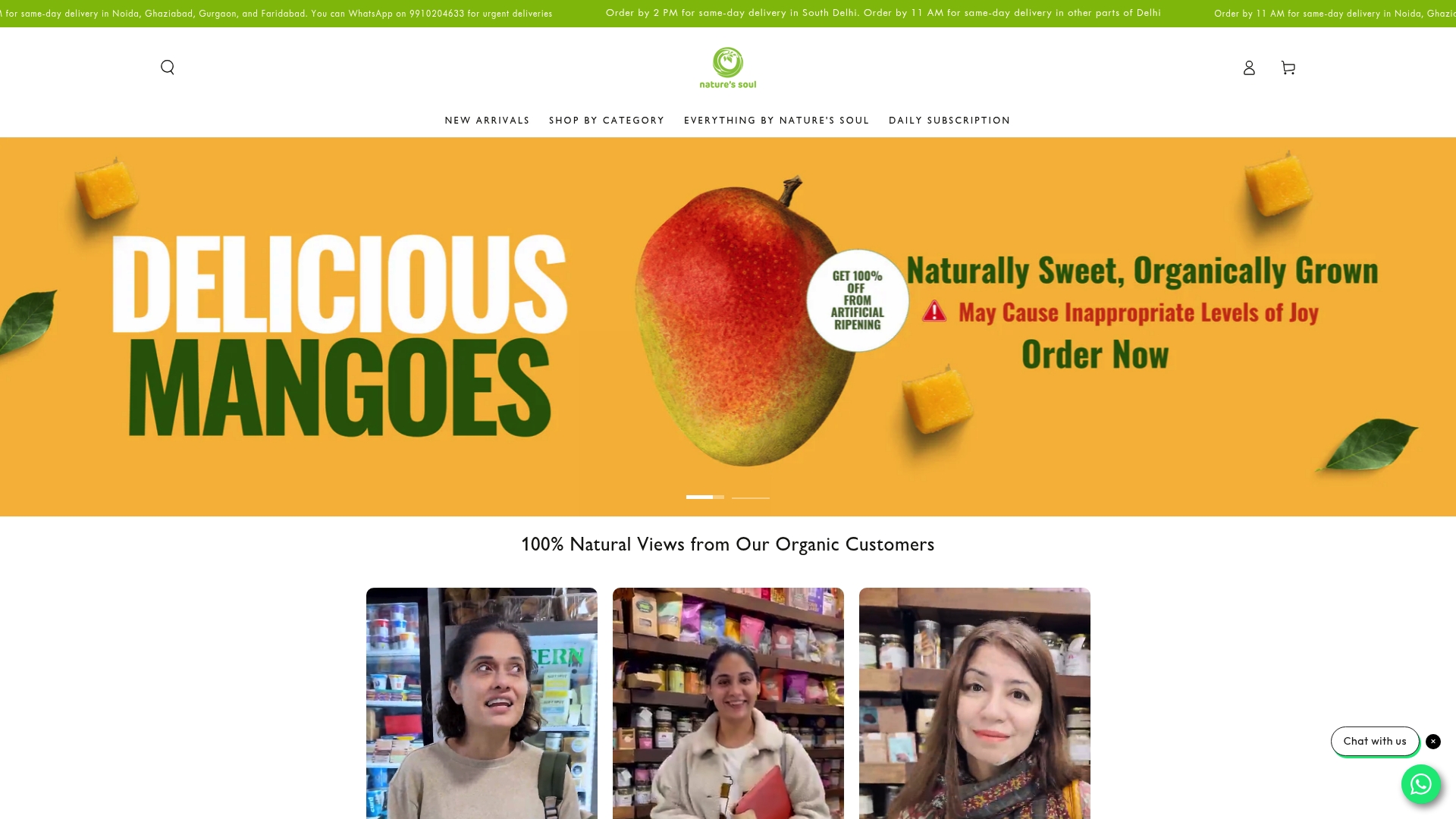
Naturessoulshop is not a flour mill, so it sits alongside rather than against the brands compared above. What it offers is a single destination for shoppers who want organic, additive-free products across their whole shop, not just their flour. Browse the organic food range to see what fits your kitchen.
Key takeaways
Shipton Mill, Doves Farm, and Freee Foods are the strongest certified organic gluten free flour options available in the UK, covering single-origin flours, ready-to-use blends, and dedicated bread flour.
| Point | Details |
|---|---|
| Certification matters most | Choose Soil Association or OF&G certified flours; both require annual audits and ban synthetic agents. |
| Blends outperform single flours | No single gluten free flour replicates wheat; rice, buckwheat, tapioca, and potato starch work best combined. |
| Smaller mills, fewer additives | Mills producing under 500 tonnes annually are exempt from mandatory folic acid fortification, keeping flour additive-free. |
| Bulk buying cuts cost | A 500g bag of organic bread flour costs about £2; Shipton Mill’s 16kg packs lower the cost per gram considerably. |
| Naturessoulshop for whole-basket shopping | Naturessoulshop stocks gluten free and organic pantry staples across categories for shoppers who want clean ingredients throughout. |
Recommended
- Choosing the Best Organic Gluten Free Flours in Delhi NCR – naturessoulshop
- Baking Without Gluten: Quick Guide for Healthier Choices – naturessoulshop
- 7 Essential Tips for Choosing Organic Gluten Free Foods – naturessoulshop
- Budget gluten-free shopping in Delhi NCR: smart tips for 2026 – naturessoulshop


