


TL;DR:
- Choosing a whole-food flour base like teff, quinoa, or legumes results in more nutritious gluten-free bread.
- Look for clear certifications such as the Soil Association organic mark and specific gluten-free claims when shopping online.
For UK shoppers who want a genuinely clean loaf, Naturessoulshop’s rice and quinoa bread is the clearest starting point: no emulsifiers, no preservatives, no refined sugar, and available to order directly online. It ticks the core boxes — organic sourcing, vegan, and a simple ingredient list — without the additives that sneak into many supermarket “free-from” shelves.
Here is what to know before you buy:
- Best overall pick: Naturessoulshop rice and quinoa bread (500 g, vegan, no bread improvers or stabilisers)
- Organic standard to look for: Soil Association certification or equivalent UK organic mark
- Nutrition signal: Whole-grain and legume-based loaves (teff, quinoa, red lentil) deliver meaningfully more fibre and protein than white rice starch blends
- Where to order: Direct from Naturessoulshop with delivery to UK addresses; subscription and regular delivery options are available on the site
Table of Contents
- What types of organic gluten-free bread can you buy in the UK?
- What should you look for on the label?
- Which certifications and labels actually matter?
- Where to buy, what to pay, and how to store it
- How do you pick the healthiest-tasting loaf?
- Delivery times and shipping reliability among UK sellers
- Key takeaways
- Why clean-ingredient organic loaves are worth the premium
- Order organic gluten-free bread from Naturessoulshop
- Further reading and sources
What types of organic gluten-free bread can you buy in the UK?
The format you choose shapes everything from texture to how long a loaf lasts in your kitchen. These are the main types you will encounter when shopping online:
- Sourdough loaves — slow-fermented, often made with teff, millet, or quinoa flour; sourdough processes improve flavour and texture even without gluten, making this a reliable heuristic for a better-tasting loaf
- Seeded multigrain loaves — typically 500 g or 750 g; sunflower, pumpkin, and flax seeds add texture and nutrition
- White sandwich-style loaves — the most widely available format; convenient but often the least nutritious, relying on rice flour and tapioca starch blends
- Ancient-grain loaves — built on teff flour, sorghum, or amaranth; teff in particular produces a moist, tender crumb with a toasty, nutty flavour
- Flourless legume breads — red lentil or chickpea bases; no flour blend required, high in plant protein and fibre, good for toasting and dipping
- Rolls and baguettes — useful for portion control and lunchboxes; less common in organic ranges but available from specialist bakeries
- Quinoa-based, yeast-free loaves — hearty and fibre-rich, require no proofing, and hold up well for toasting
Most UK online listings sit in a typical weight range for loaves. A moderate-sized loaf is the most common size for premium organic options, which helps when comparing cost per quantity across brands.
What should you look for on the label?
Prioritise loaves built on whole-food flour bases: stone-milled or whole grains, teff, sorghum, quinoa, or legumes. For oil, extra virgin olive oil is the better choice; many quality recipes use no added oil at all. Seed oils appearing high on an ingredient list are a red flag, not a sign of quality.
Key nutrition priorities:
- Fibre: aim for at least 3 g per 100 g; seeded and ancient-grain loaves typically deliver more than white rice blends
- Protein: whole-grain and legume bases outperform starch-heavy loaves significantly; flourless red lentil breads are among the highest-protein options available
- Sugar: under 3 g per 100 g is a reasonable target for a savoury loaf
- Refined starch: the shorter the list of starches and gums, the better
Statistic callout: Flourless legume breads (red lentil, chickpea) can offer substantially more protein per 100 g than standard white gluten-free loaves, making them a genuinely different nutritional category rather than just a format variation.
Ingredients to avoid:
| Ingredient | Why to avoid |
|---|---|
| Seed oils (sunflower, rapeseed) in top 3 | High omega-6 ratio; common even in organic products |
| Long starch lists (tapioca, potato, maize) | Low nutrient density; poor satiety |
| Emulsifiers | Unnecessary processing aids |
| Preservatives (calcium propionate) | Avoidable in clean-ingredient loaves |
| Added sugars beyond trace amounts | Unnecessary in a savoury bread |
Pro Tip: Scan the ingredient list from the top down. If you see a seed oil or a starch in the first three ingredients, the loaf is built on a processed base regardless of what the front of pack claims.
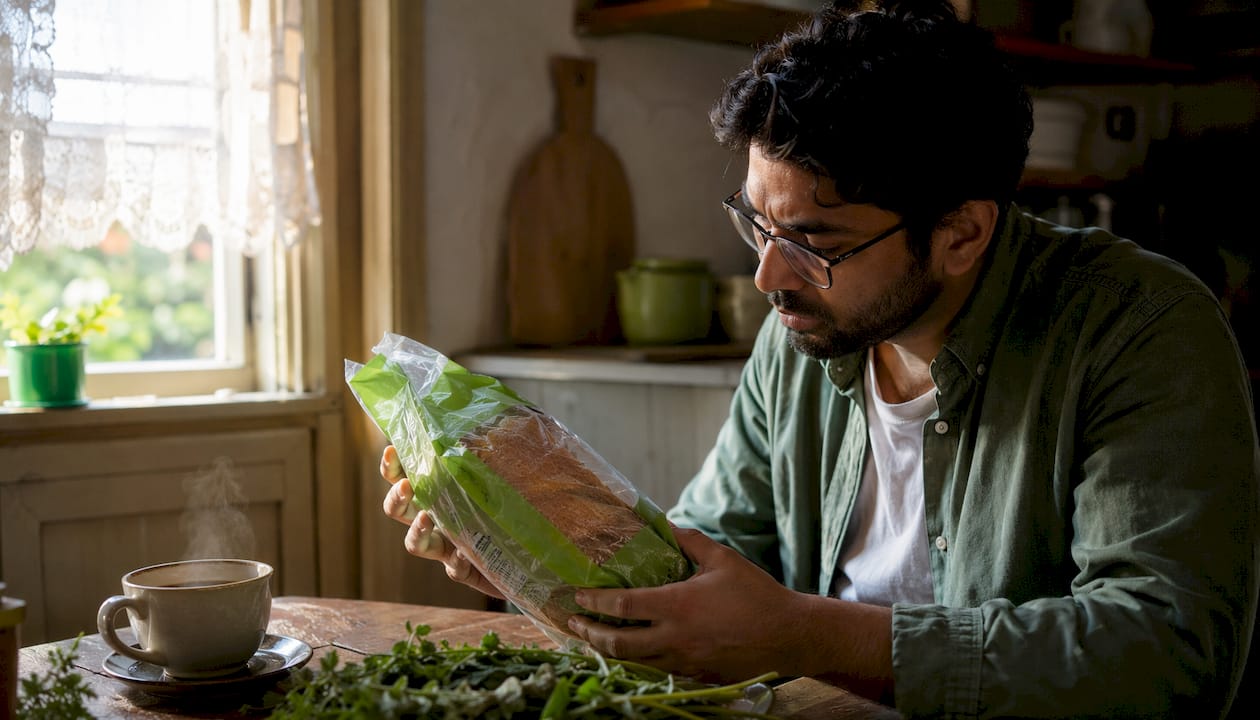
Stone-milled or whole-grain labelling is a useful quality signal on product pages: it is commonly associated with better mouthfeel and a more nutritious crumb in gluten-free loaves, as noted in flour-processing guidance from baking specialists.
Which certifications and labels actually matter?
The two most useful trust signals for UK buyers are Soil Association organic certification (or the equivalent UK Organic mark) and an independent gluten-free certification statement or dedicated-facility declaration. Everything else is secondary.
Here is what each common claim actually means:
- “Organic” — in the UK, this requires third-party certification (Soil Association is the most recognised); it covers farming inputs and processing but does not automatically mean clean additives
- “Gluten free” — under UK food law, this means the product contains no more than 20 parts per million of gluten; look for this stated explicitly, not just implied
- “Wheat free” — not the same as gluten free; a product can be wheat-free but still contain barley or rye
- “Made in a dedicated gluten-free facility” — the strongest cross-contamination assurance; worth prioritising if you have coeliac disease
- Clear allergen declarations — the 14 major allergens must be highlighted in the ingredients list under UK law; absence of this is a red flag
Labels to confirm on any product page before buying:
- Soil Association logo or equivalent UK organic certification mark
- A specific gluten-free claim (ppm statement or certification body name)
- Full ingredient list with allergens highlighted
- No vague “may contain” statements where a dedicated facility claim is made
For families buying for children, Naturessoulshop’s guide to gluten-free choices for kids covers cross-contamination and label-reading in more detail.
Where to buy, what to pay, and how to store it
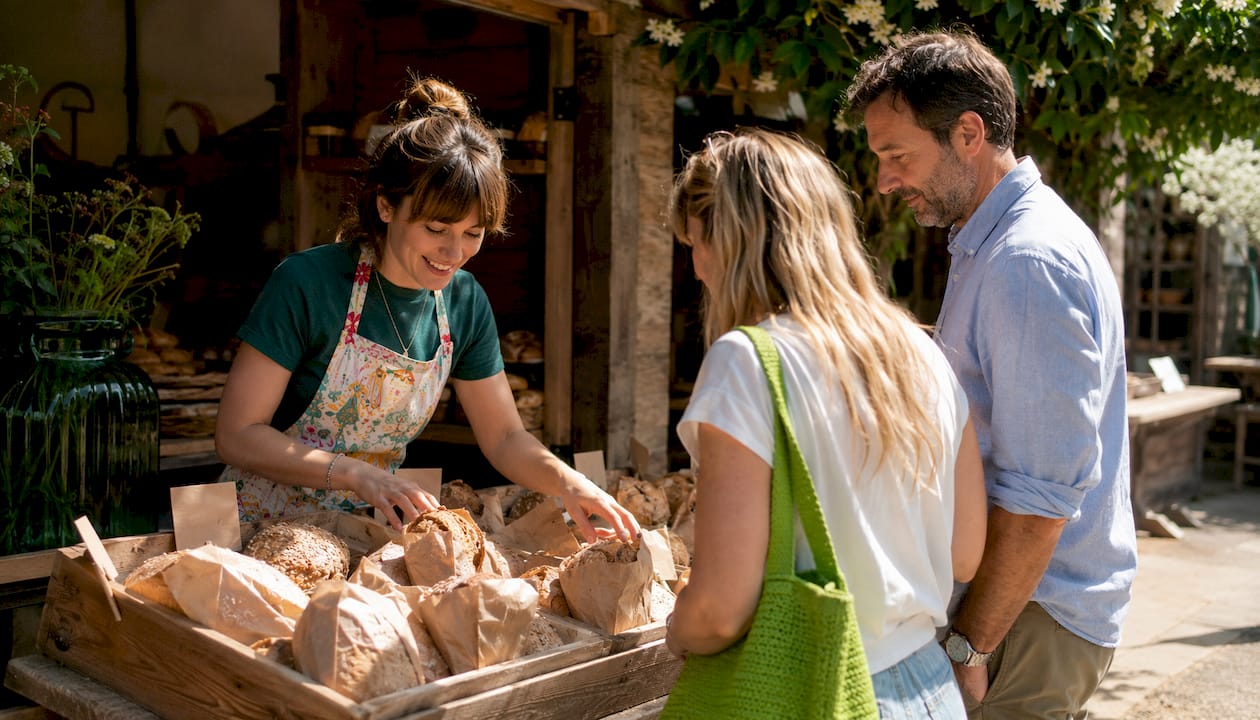
Buy from a specialist organic retailer or direct from a trusted bakery with a transparent ingredient panel. Naturessoulshop is a reliable direct option for UK shoppers, with product pages listing full ingredients and no hidden additives.
Typical price expectations:
| Format | Typical UK price range | Notes |
|---|---|---|
| 500 g premium organic GF loaf | — | Clean-ingredient, certified organic |
| 750 g multigrain or seeded loaf | — | Higher seed content raises cost |
| Mass-market GF supermarket loaf | — | Often contains emulsifiers and starches |
Delivery and subscription:
Naturessoulshop offers direct UK delivery, with subscription and regular delivery options available for shoppers who want a consistent supply. Frozen delivery is worth considering for premium loaves: it extends shelf life significantly and means you can order in bulk without waste. For meal planning with gluten-free bread, buying two loaves and freezing one is a practical default.
Storage tips:
- Slice before freezing so you can pull out individual pieces
- Gluten-free loaves go stale faster than wheat bread; consume within 2–3 days at room temperature
- Wrap tightly in beeswax wrap or an airtight bag once opened
- Reheat from frozen in a toaster or at 180°C for 8–10 minutes; internal temperature guidance suggests gluten-free loaves are fully set at 96–100°C (205–212°F) internally, so a brief oven warm-through restores texture reliably
- Avoid refrigerating: it accelerates staling in GF bread faster than in wheat loaves
How do you pick the healthiest-tasting loaf?
A quick checklist for any product page:
- Check the first three ingredients. They should be a recognisable whole grain or legume (rice, quinoa, teff, lentil), not a starch or oil.
- Confirm organic certification. Look for the Soil Association logo or a named certification body.
- Read the nutrition panel. Fibre above 3 g per 100 g and protein above 4 g per 100 g are good benchmarks for a nutritious loaf.
- Check the loaf weight. 500 g is standard; compare cost per 100 g rather than headline price.
- Look for texture cues. Words like “stone-milled”, “sourdough”, or “seeded” on the label tend to indicate better crumb quality than “soft white” or “sandwich-style.”
- Verify the gluten-free claim. A ppm statement or dedicated-facility note is more meaningful than a generic “free from” badge.
Red flags to walk away from:
- Seed oil listed in the top three ingredients
- Four or more different starches or gums in the list
- No allergen declaration or missing certification detail
- Zero customer ratings and no ingredient transparency on the product page
Delivery times and shipping reliability among UK sellers
Delivery reliability varies considerably depending on whether you are buying from a large retailer, a small artisan bakery, or a specialist online shop like Naturessoulshop.
Large supermarket delivery services typically offer next-day or same-day slots for gluten-free bread, but their organic ranges are narrower and ingredient quality is inconsistent. Specialist online retailers, including Naturessoulshop, generally dispatch within 1–3 working days; the trade-off for a cleaner product is a slightly longer lead time compared with a supermarket slot.
Frozen delivery is the most reliable option for premium organic loaves over longer distances. It removes the risk of a loaf arriving stale or damaged, and it means the product reaches you in the same condition it left the bakery. If you are ordering regularly, a subscription removes the friction of reordering and often secures a consistent dispatch schedule.
Key takeaways
Organic gluten-free bread worth buying in the UK starts with a whole-grain or legume base, clear certification, and an ingredient list short enough to read in under ten seconds.
| Point | Details |
|---|---|
| Prioritise whole-grain bases | Choose teff, quinoa, sorghum, or legume loaves over white rice starch blends for better nutrition. |
| Check certifications first | Soil Association organic mark plus a specific gluten-free claim (ppm or dedicated facility) are the two non-negotiable labels. |
| Freeze for freshness | Slice and freeze on delivery day; GF loaves stale within 2–3 days at room temperature. |
| Compare cost per 100 g | A 500 g premium organic loaf typically costs —; mass-market GF options cost less but contain more additives. |
| Naturessoulshop for clean-ingredient buying | The rice and quinoa loaf carries no emulsifiers, preservatives, or refined sugar — a direct buy for UK shoppers. |
Why clean-ingredient organic loaves are worth the premium
Most of the conversation around gluten-free bread focuses on what has been removed — gluten, wheat, dairy. What gets far less attention is what gets added in its place. Starch blends, emulsifiers, and seed oils are the quiet trade-off in a large proportion of “free-from” products, including many that carry an organic label on the front. Organic certification covers farming inputs; it does not automatically mean the processing is clean.
The loaves that actually deliver on both nutrition and taste tend to share a few characteristics: a whole-food flour base (teff, quinoa, or legumes rather than tapioca and maize starch), minimal or no added oil, and a short ingredient list. Sourdough fermentation, even in a gluten-free loaf, genuinely improves flavour and crumb texture. These are not marketing claims; they are observable differences in how the bread behaves when you toast it or eat it fresh.
Naturessoulshop’s approach — no bread improvers, no emulsifiers, no refined sugar — reflects exactly this thinking. The educational content on gluten-free baking the brand publishes reinforces that the same principles apply whether you are buying or baking. That consistency between what a brand sells and what it teaches is a reasonable proxy for integrity.
Order organic gluten-free bread from Naturessoulshop
Naturessoulshop stocks organic gluten-free loaves that match the clean-ingredient criteria covered in this article: no emulsifiers, no preservatives, no refined sugar, and no bread improvers. The rice and quinoa bread (500 g, vegan) is the clearest example — a loaf you can read the label on in seconds and know exactly what you are getting.
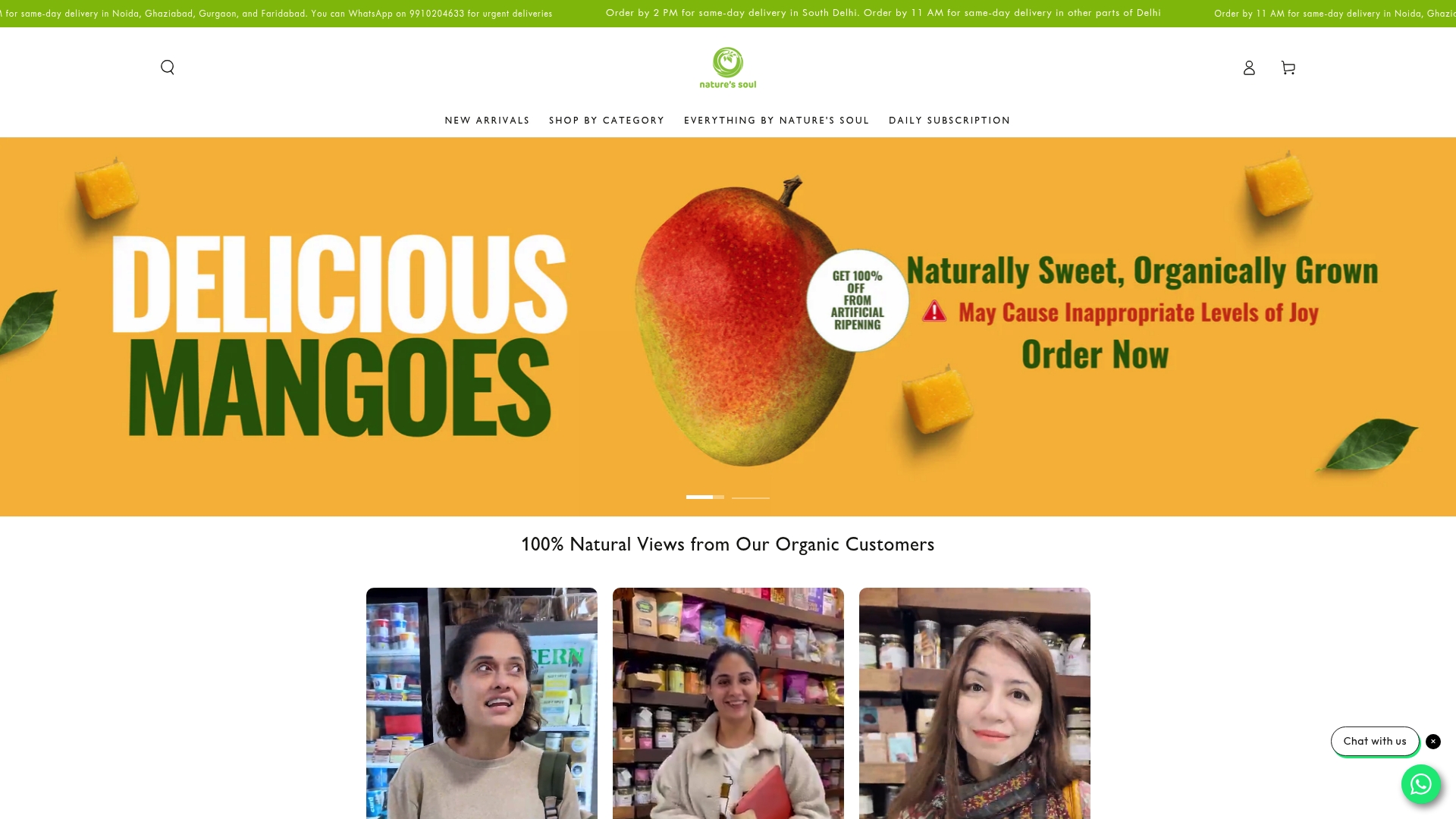
Subscription and regular delivery options are available, making it straightforward to keep a consistent supply without reordering manually each week. Browse the full organic range and place your order at Naturessoulshop — or go directly to the fresh product pages for delivery options and current availability.
Further reading and sources
- Gluten Free White Bread — The Loopy Whisk — detailed baking guide with internal temperature targets (96–100°C / 205–212°F) for avoiding a gummy crumb; useful if you bake at home
- Homemade Gluten Free Bread — Feasting at Home — covers teff flour technique and how grain choice affects crumb quality
- Quinoa Bread (Gluten-Free, No Yeast) — Cooking for Peanuts — practical yeast-free recipe demonstrating a whole-grain, fibre-rich approach
- Red Lentil Bread (Flourless, High-Protein) — Elavegan — flourless, legume-based recipe showing how to maximise protein without flour blends
- Lentil Bread (Vegan, Gluten-Free) — Bianca Zapatka — a second red lentil recipe with psyllium husk binding technique; good for meal prep
- Easy Gluten-Free Bread — Gluten Free on a Shoestring — classic sandwich loaf recipe with flour blend guidance and rise tips
- Baking Without Gluten: Quick Guide — Naturessoulshop — brand-published guide covering ingredient selection and healthier baking choices
Recommended
- Best organic gluten free flour UK: top picks for 2026 – naturessoulshop
- Choosing the Best Organic Gluten Free Flours in Delhi NCR – naturessoulshop
- 7 Essential Tips for Choosing Organic Gluten Free Foods – naturessoulshop
- Gluten Free Bread | Rice & Quinoa Bread - Vegan, No Bread Improver, Em – naturessoulshop


