


TL;DR:
- Managing a child’s gluten-free diet requires understanding medical conditions and careful label reading.
- Whole, unprocessed foods should be the dietary backbone to prevent nutritional deficiencies.
- Focus on balanced, enjoyable meals and resilience instead of obsessing over perfect gluten avoidance.
Gluten-free eating sounds straightforward until you’re standing in a supermarket aisle, squinting at a label while your child tugs at your sleeve. Many parents assume that anything labelled gluten-free is automatically safer or healthier, but that assumption can lead to real nutritional gaps and accidental exposures. Managing a gluten-free diet for a child requires more than swapping regular pasta for rice pasta. It demands understanding which foods are genuinely safe, which are cleverly marketed, and how to keep your child well-nourished while still making mealtimes something everyone looks forward to. This guide cuts through the noise with practical, evidence-backed advice.
Table of Contents
- Why gluten-free matters: Medical needs and myths
- Safe gluten-free eating: Practical steps and label checks
- Nutrition pitfalls of gluten-free diets for children
- Making gluten-free meals enjoyable and balanced
- A grounded perspective: What parents really need beyond the labels
- Gluten-free made easier with Nature’s Soul Shop
- Frequently asked questions
Key Takeaways
| Point | Details |
|---|---|
| Not all GF diets are healthy | Many processed gluten-free foods are high in sugar and fat and risk causing nutrient deficiencies. |
| Diagnosis is crucial | Children should only follow a gluten-free diet under medical supervision to avoid unnecessary risks. |
| Safe eating needs diligence | Reading labels, avoiding cross-contact, and using whole foods keep gluten-free meals safe. |
| Variety avoids deficiencies | Parents should offer naturally gluten-free foods and monitor nutrition to ensure healthy growth. |
| Gluten-free can be enjoyable | With creativity and planning, gluten-free meals can be both safe and enjoyable for kids. |
Why gluten-free matters: Medical needs and myths
Gluten is a protein found in wheat, barley, and rye. For most children, it poses no problem at all. But for children with coeliac disease, non-coeliac gluten sensitivity, or a wheat allergy, consuming gluten triggers real harm. Understanding the difference between these conditions matters enormously before you overhaul your child’s entire diet.
Coeliac disease is an autoimmune condition where gluten causes the immune system to attack the lining of the small intestine. The damage is cumulative and silent in many children, which makes it especially tricky to manage. A strict lifelong gluten-free diet is the only treatment for coeliac disease in children. There is no medication, no workaround, and no “little bit won’t hurt” exception.
Non-coeliac gluten sensitivity is less well understood. Children may experience bloating, fatigue, or discomfort without the intestinal damage seen in coeliac disease. A wheat allergy, meanwhile, is an immune response to wheat proteins specifically, not all gluten-containing grains. Each condition has a different management approach, which is why a confirmed diagnosis from a paediatrician or gastroenterologist is essential before making any dietary changes.
Here is what a strict gluten-free diet excludes:
- Wheat in all its forms (spelt, kamut, semolina, durum, farro)
- Barley, including malt and barley flour
- Rye and triticale
- Oats unless certified gluten-free
- Any processed food with hidden wheat derivatives
“Not every child who avoids gluten needs to. Putting a child on a gluten-free diet without a diagnosis can create the very nutritional imbalances parents are trying to avoid.”
Putting a healthy child on a gluten-free diet as a wellness trend is not evidence-based. Unnecessary gluten-free diets risk the same nutritional imbalances seen in poorly managed coeliac diets, without any of the medical benefit. The gluten-free label on a biscuit does not make it a health food. Many processed gluten-free products contain more sugar, more saturated fat, and fewer vitamins than their conventional counterparts.
One of the most common misconceptions is that gluten-free automatically means wheat-free. It does not always. Some products are labelled gluten-free but are produced in facilities that handle wheat, creating cross-contact risk. Understanding hidden sources of gluten is essential for any parent navigating this space, because gluten hides in soy sauce, stock cubes, salad dressings, and even some medications.
Safe gluten-free eating: Practical steps and label checks
Once you know your child genuinely needs a gluten-free diet, the next challenge is making it stick safely every single day. Label reading is your first line of defence. In most regulated markets, a product must contain less than 20 ppm gluten to carry a gluten-free claim, and avoiding cross-contamination is just as critical as ingredient checking.
The distinction between naturally gluten-free foods and processed gluten-free products is one that every parent needs to understand clearly.
| Feature | Naturally gluten-free foods | Processed gluten-free products |
|---|---|---|
| Examples | Rice, quinoa, fruits, vegetables, eggs | GF bread, GF pasta, GF biscuits |
| Nutritional value | Generally high | Variable, often lower fibre |
| Added sugar/fat | Minimal | Often higher |
| Cross-contact risk | Low if prepared carefully | Depends on manufacturing |
| Cost | Affordable | Typically more expensive |
Naturally gluten-free whole foods should form the backbone of your child’s diet. Processed gluten-free alternatives have their place for convenience and inclusion at birthday parties, but they should not be the foundation of daily nutrition.
Avoiding cross-contamination at home requires a few consistent habits. Follow these steps to reduce risk:
- Use separate chopping boards, toasters, and colanders for gluten-free cooking.
- Store gluten-free flours and grains in clearly labelled, sealed containers.
- Wash hands thoroughly before preparing your child’s food.
- Use separate butter, jam, and condiment tubs to avoid crumb contamination.
- Educate other household members and caregivers about the rules.
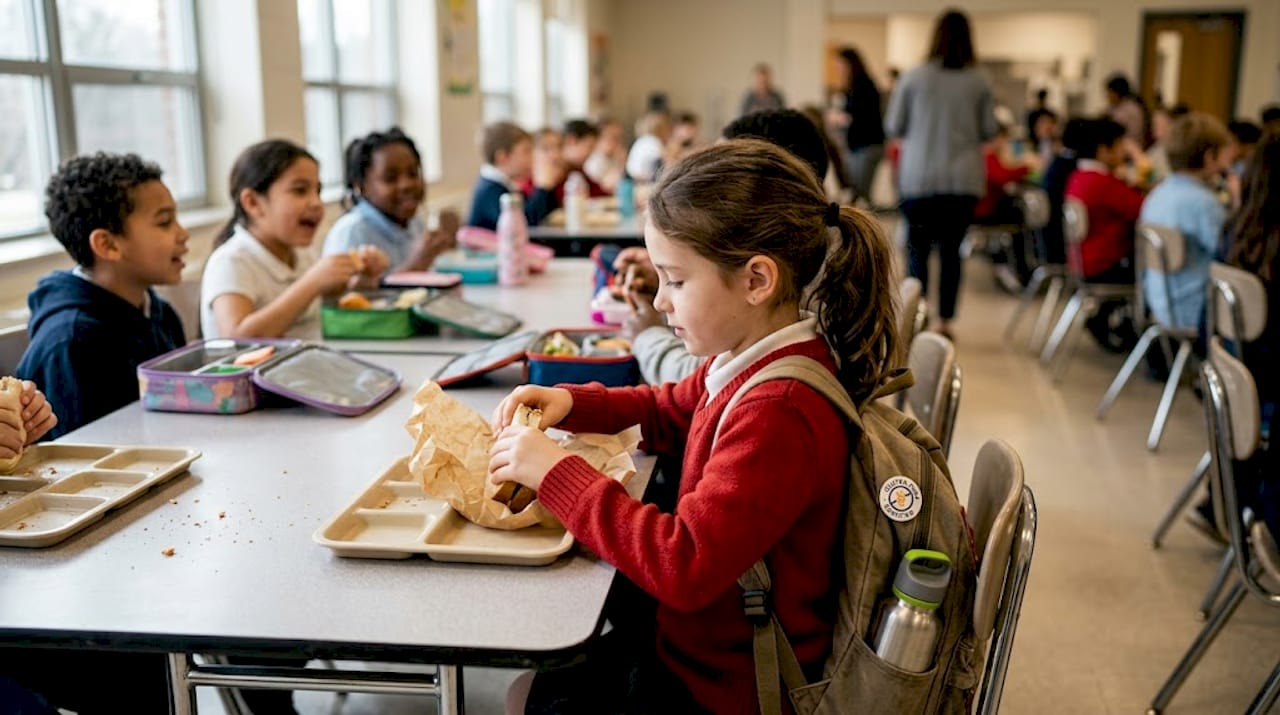
Schools and restaurants present a higher risk. 33% of children with coeliac disease experience acute reactions from accidental gluten exposure, most commonly in these settings. Always communicate your child’s needs in writing to school canteens and speak directly with restaurant staff rather than assuming a menu label is sufficient. Our cross-contamination advice covers practical steps for eating safely outside the home, and setting up gluten-free kitchen setups at home makes a significant difference to daily safety.
Pro Tip: When in doubt about a product, look for a third-party certification logo rather than relying solely on the manufacturer’s claim. Certifications involve independent testing, which adds a meaningful layer of assurance.
For oats specifically, only introduce certified gluten-free oats after your child has been stable on a gluten-free diet for at least six months, and always with guidance from your healthcare team.
Nutrition pitfalls of gluten-free diets for children
A gluten-free diet done well is perfectly nutritious. A gluten-free diet done carelessly can leave children short on several critical nutrients during some of their most important years of growth. This is the part most parents do not hear about when they first get a diagnosis.
Common nutritional deficiencies on a gluten-free diet include iron, folate, vitamin B12, vitamin D, calcium, zinc, magnesium, and fibre. Many fortified wheat-based foods that children typically eat, such as breakfast cereals and bread, are simply not replaced like-for-like when switching to gluten-free alternatives.
| Nutrient at risk | Why it matters | Best gluten-free food sources |
|---|---|---|
| Iron | Energy, cognitive development | Lentils, spinach, pumpkin seeds, red meat |
| Folate | Cell growth, neural development | Leafy greens, beans, fortified GF cereals |
| Vitamin B12 | Nerve function, red blood cells | Eggs, dairy, meat, fortified plant milks |
| Calcium | Bone strength | Dairy, fortified oat milk (GF), broccoli |
| Fibre | Gut health, digestion | Quinoa, chia seeds, vegetables, fruit |
| Zinc | Immune function, growth | Chickpeas, pumpkin seeds, meat |
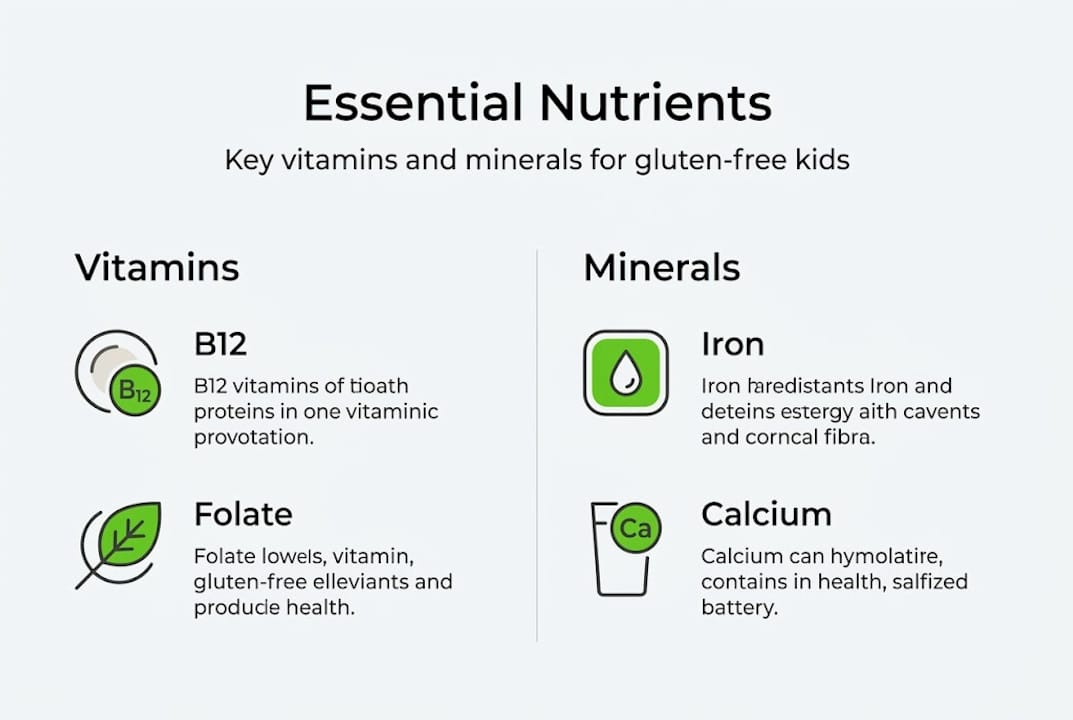
Long-term gluten-free diets can result in persistent deficiencies even when the child appears to be eating well, which is why routine monitoring matters. Annual blood tests to check iron, vitamin D, and B12 levels are a sensible standard for any child on a long-term gluten-free diet.
Processed gluten-free foods are often the hidden culprit behind poor nutrition. Gluten-free bread, crackers, and snack bars frequently contain more refined starch, added sugar, and saturated fat than their conventional equivalents. They fill a child up without delivering meaningful nutrition.
- Prioritise whole, unprocessed foods as the base of every meal.
- Use fortified gluten-free cereals and plant milks where appropriate.
- Rotate protein sources to cover a wider range of micronutrients.
- Consider a paediatric multivitamin if dietary variety is limited.
Pro Tip: Ask your GP for a referral to a registered dietitian who specialises in paediatric coeliac disease. A single appointment can prevent years of guesswork and give you a personalised monitoring plan. Maintaining nutritional balance on a gluten-free diet is achievable, but it needs consistent attention.
Making gluten-free meals enjoyable and balanced
The best gluten-free diet for a child is one they actually want to eat. When meals feel like a punishment or a constant reminder of what they cannot have, children disengage, and parents burn out. The goal is to build a repertoire of meals that happen to be gluten-free, not meals that are defined by their absence of gluten.
Naturally gluten-free foods like fruits, vegetables, quinoa, rice, and millet form the most reliable and nutritious foundation for a child’s diet. Build from there rather than starting with substitutes.
Here is a sample day of balanced gluten-free eating for a school-age child:
- Breakfast: Certified gluten-free oat porridge with banana and a drizzle of honey, or scrambled eggs with tomatoes on gluten-free toast.
- Mid-morning snack: Apple slices with almond butter, or a small handful of mixed seeds and dried fruit.
- Lunch: Rice and lentil salad with cucumber, cherry tomatoes, and a lemon dressing, packed in a leakproof lunchbox.
- Afternoon snack: Homemade jowar (sorghum) puffs or rice cakes with hummus.
- Dinner: Grilled chicken with roasted sweet potato, steamed broccoli, and a side of quinoa.
Making meals feel inclusive is just as important as making them safe. When children attend parties or school events, having a safe equivalent on hand prevents the social isolation that can come with dietary restrictions. Explore gluten-free lunchbox ideas for practical inspiration that travels well, and keep a stock of homemade gluten-free snacks ready for spontaneous moments.
Involving children in meal preparation builds ownership and curiosity. Let them choose between two safe options, help wash vegetables, or stir a batter. Children who feel part of the process are far more likely to eat what is on their plate. Consistent gluten-free meal planning at the start of each week also reduces daily decision fatigue for parents significantly.
A grounded perspective: What parents really need beyond the labels
After years of working with families navigating gluten-free diets, we have noticed a pattern. The families who struggle most are not the ones with the most severe cases. They are the ones who become so focused on perfection that mealtimes turn into a source of anxiety rather than nourishment.
Label scrutiny matters. Cross-contamination awareness matters. But obsessing over every crumb while neglecting the broader picture of your child’s relationship with food can cause its own harm. A gluten-free diet heals the intestinal lining in coeliac disease, but it often introduces poor dietary quality through over-reliance on processed alternatives, which is why whole foods and fortification deserve equal attention.
Mistakes will happen. A well-meaning grandparent will offer the wrong biscuit. A school trip will go sideways. Resilience and a calm response matter far more than guilt. Teach your child to advocate for themselves gently, and build a balanced gluten-free approach rooted in real food rather than fear. The evidence is clear: gluten-free diets benefit children with a confirmed diagnosis, not the general population. Keep that perspective, and you will make far better decisions for your child over the long term.
Gluten-free made easier with Nature’s Soul Shop
Finding genuinely safe, organic, and tasty gluten-free products for children should not feel like detective work. At Nature’s Soul Shop, we have curated a range of clean-ingredient options that make daily gluten-free eating simpler and more enjoyable for the whole family.
From our Nature’s Soul Fresh range of organic fruits and vegetables to trusted dry grocery staples, every product is chosen with clean ingredients in mind. Our jowar gluten-free snack is a brilliant lunchbox addition that children genuinely enjoy. Browse our full organic health collection to stock your kitchen with confidence, knowing every product meets the standard your child deserves.
Frequently asked questions
What foods are naturally gluten-free for children?
Fruits, vegetables, quinoa, rice, millet, eggs, meats, and most dairy are naturally gluten-free and safe when prepared without cross-contamination. These whole foods should form the core of your child’s daily diet.
How can I tell if a packaged food is truly gluten-free?
Look for a certified gluten-free logo and check the ingredient list for wheat, barley, or rye. Products must contain less than 20 ppm gluten to carry a legitimate gluten-free claim.
Are there nutritional risks when my child goes gluten-free?
Yes. Common deficiencies include iron, folate, B12, vitamin D, calcium, zinc, magnesium, and fibre. Balancing the diet with whole foods and scheduling regular blood tests helps manage these risks effectively.
Can my child have oats on a gluten-free diet?
Certified gluten-free oats can be introduced carefully, but only after your child has been gluten-free for at least six months and with guidance from your healthcare provider.
What should I do if my child accidentally eats gluten?
Monitor for symptoms such as stomach pain, diarrhoea, or vomiting. 33% of children with coeliac disease experience acute reactions from accidental exposure, so contact your healthcare provider promptly if symptoms appear.


