


Most people focus on vitamins and minerals but overlook phytonutrients, the natural compounds in plant foods that offer powerful disease-preventing benefits. These bioactive substances protect against oxidative stress, inflammation, and chronic conditions. Despite their importance, poor bioavailability often limits their effectiveness. This guide explains what phytonutrients are, their proven health benefits, absorption challenges, and practical strategies to maximise their intake through organic plant-based foods.
Table of Contents
- What Are Phytonutrients And Why Are They Important
- Health Benefits Of Phytonutrients Supported By Research
- Understanding The Limitations: Bioavailability And Absorption Of Phytonutrients
- Maximising Phytonutrient Benefits Through Diet And Lifestyle
- Discover Nature’s Soul Shop For Quality Organic Foods
- Frequently Asked Questions
Key takeaways
| Point | Details |
|---|---|
| Health protection | Phytonutrients provide antioxidant, anti-inflammatory, and disease-preventing effects that support long-term wellness. |
| Absorption matters | Bioavailability varies significantly and can limit how much benefit you actually receive from phytonutrients. |
| Gut health connection | Plant-based diets enhance gut microbiota diversity, improving nutrient absorption and overall health outcomes. |
| Dietary variety | Including colourful organic fruits, vegetables, nuts, seeds, and whole grains maximises phytonutrient intake naturally. |
What are phytonutrients and why are they important
Phytonutrients are bioactive compounds found naturally in plant foods that offer significant health advantages beyond basic nutrition. Unlike essential vitamins and minerals, phytonutrients are not required for survival but play crucial roles in disease prevention and optimal health. These compounds evolved in plants as protective mechanisms against environmental stressors like ultraviolet radiation, pests, and oxidative damage. When humans consume plant foods, we gain access to these same protective benefits.
Phytonutrients encompass several major categories, each with distinct chemical structures and biological activities:
- Polyphenols: The largest group, including flavonoids, phenolic acids, stilbenes, and lignans
- Carotenoids: Pigments responsible for red, orange, and yellow colours in plants
- Glucosinolates: Sulphur-containing compounds found primarily in cruciferous vegetables
- Phytosterols: Plant compounds structurally similar to cholesterol
- Organosulphur compounds: Found in allium vegetables like garlic and onions
Plant polyphenols exhibit antioxidative properties along with anti-diabetic, antihypertensive, cardioprotective, neuroprotective, and anticancer effects. These compounds neutralise harmful free radicals, reduce inflammation, and modulate cellular signalling pathways that influence gene expression. The diversity of phytonutrients means different plant foods offer unique protective profiles.
Flavonoids, a subclass of polyphenols, include thousands of compounds found in berries, tea, cocoa, and citrus fruits. Phenolic acids appear abundantly in coffee, whole grains, and certain fruits. Stilbenes like resveratrol gained attention for their presence in red wine and grapes. Lignans, found in flaxseeds and whole grains, exhibit oestrogenic properties that may influence hormone-related health outcomes.
Consuming a wide variety of plant-based foods ensures exposure to different phytonutrient families. Each colour in fruits and vegetables typically indicates specific phytonutrient content. Purple and blue foods contain anthocyanins, orange foods provide beta-carotene, and green vegetables offer chlorophyll along with various polyphenols. This natural diversity is why nutrition experts consistently recommend eating a rainbow of plant foods.
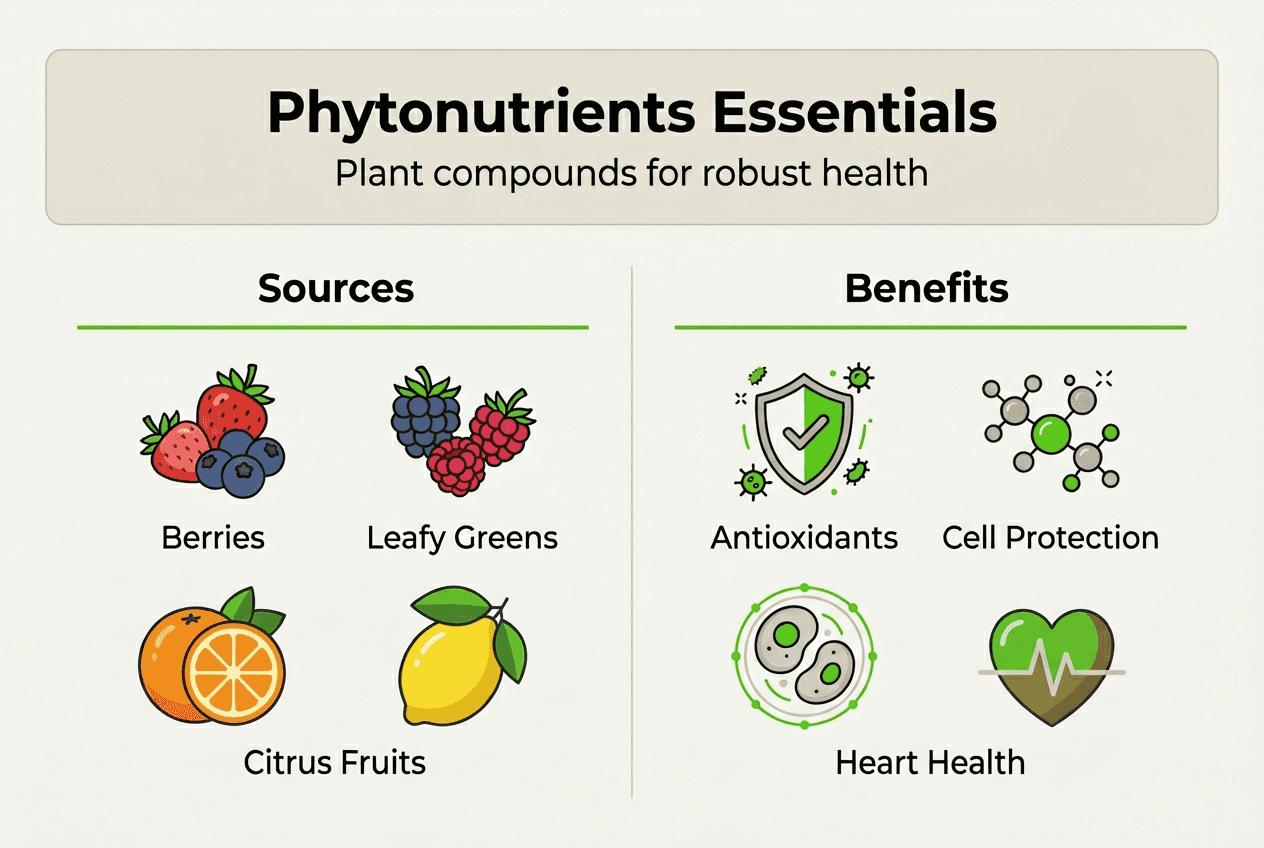
The best sources of antioxidants include berries, dark leafy greens, nuts, seeds, and colourful vegetables. Organic produce often contains higher phytonutrient levels because plants produce more protective compounds when grown without synthetic pesticides. Understanding these fundamental categories helps you make informed choices about which plant foods to prioritise for maximum health benefits.
Health benefits of phytonutrients supported by research
Phytonutrients deliver measurable health advantages across multiple body systems, backed by extensive scientific research. Their mechanisms of action include direct antioxidant effects, modulation of inflammatory pathways, and influence on gene expression related to disease processes. Understanding these benefits helps explain why plant-rich diets consistently correlate with better health outcomes.

Antioxidant protection stands as one of the most well-established benefits. Polyphenols protect cells and organs from oxidative damage through diverse mechanisms. They donate electrons to stabilise free radicals, chelate pro-oxidant metals, and upregulate the body’s own antioxidant enzyme systems. This multi-layered defence reduces cellular damage that accumulates over time and contributes to ageing and chronic disease.
Anti-inflammatory effects represent another critical benefit. Polyphenols have anti-inflammatory properties along with anti-cancer, cardioprotective, and neuroprotective effects. Chronic low-grade inflammation underlies many modern health conditions, including cardiovascular disease, diabetes, and neurodegenerative disorders. Phytonutrients suppress inflammatory signalling molecules like cytokines and modulate immune cell activity to maintain balanced inflammatory responses.
Cardiovascular benefits include multiple protective mechanisms:
- Lowering blood pressure through improved endothelial function
- Reducing LDL cholesterol oxidation that contributes to arterial plaque
- Improving blood vessel flexibility and circulation
- Decreasing platelet aggregation that can lead to clots
These combined effects explain why diets rich in fruits, vegetables, and whole grains consistently reduce cardiovascular disease risk. The importance of micronutrients organic extends beyond vitamins and minerals to include these protective plant compounds.
Neuroprotective properties offer promise for cognitive health and preventing decline. Certain flavonoids cross the blood-brain barrier and accumulate in brain regions involved in memory and learning. They protect neurons from oxidative stress, reduce neuroinflammation, and may enhance neuroplasticity. Research suggests regular consumption of flavonoid-rich foods correlates with slower cognitive decline and reduced dementia risk.
Dietary polyphenols contribute to disease prevention, particularly flavonoids which show protective effects against cancer development and progression.
Cancer prevention represents another area where phytonutrients demonstrate significant potential. Dietary antioxidants and flavonoids are inversely associated with prostate cancer risk and mortality. Mechanisms include inducing detoxification enzymes, promoting cancer cell death, inhibiting tumour blood vessel formation, and modulating hormone metabolism. Different phytonutrients target various stages of cancer development, from initial DNA damage through tumour growth.
The breadth of these benefits underscores why public health guidelines emphasise plant food consumption. No single phytonutrient or food provides all these advantages. Rather, the synergistic effects of diverse compounds consumed regularly through varied plant-based diets deliver optimal protection. This evidence base supports prioritising whole plant foods over isolated supplements for disease prevention.
Understanding the limitations: bioavailability and absorption of phytonutrients
Whilst phytonutrients offer impressive health benefits, their effectiveness depends critically on bioavailability, the proportion absorbed and reaching tissues in active form. Therapeutic application of polyphenols is hindered by their inherently poor bioavailability. Many phytonutrients undergo extensive metabolism in the digestive tract and liver, converting them to forms with different or reduced activity.
Bioavailability represents the proportion of an ingested nutrient absorbed and available for metabolic functions. For phytonutrients, this process involves multiple steps: release from the food matrix, survival through stomach acid, absorption across intestinal cells, metabolism in the gut and liver, and finally distribution to target tissues. Each step presents potential barriers that reduce the amount of active compound reaching systemic circulation.
Several factors influence phytonutrient bioavailability significantly:
| Factor | Impact on bioavailability |
|---|---|
| Chemical structure | Glycosylated forms require enzymatic cleavage before absorption, reducing uptake efficiency |
| Food matrix | Fibre and other components can bind phytonutrients, limiting release and absorption |
| Processing method | Cooking and preparation alter structure and release, sometimes improving or reducing bioavailability |
| Gut microbiota | Bacterial enzymes metabolise phytonutrients, producing metabolites with different activities |
| Individual variation | Genetic differences in metabolic enzymes create substantial person-to-person variation |
Food matrix and nutrient interactions affect polyphenol bioavailability substantially. For example, quercetin exists in onions as glycosides that require bacterial fermentation for absorption, whilst the aglycone form in other foods absorbs more readily in the small intestine. Fat-soluble carotenoids require dietary fat for optimal absorption, explaining why adding olive oil to salads enhances nutrient uptake.
Gut microbiota play an essential role in phytonutrient metabolism. Bacterial enzymes break down complex polyphenols into smaller metabolites that may be more readily absorbed. These metabolites sometimes exhibit greater biological activity than the original compounds. Individual differences in gut bacterial composition partly explain why people respond differently to the same phytonutrient-rich foods. Understanding common vegan deficiencies helps address absorption challenges in plant-based diets.
Pro Tip: Consuming phytonutrient-rich foods with a small amount of healthy fat significantly improves absorption of fat-soluble compounds like carotenoids and certain polyphenols.
Researchers are developing advanced delivery systems to overcome bioavailability limitations. Nano- and liposomal delivery systems have potential to improve polyphenol bioavailability by protecting compounds during digestion and enhancing cellular uptake. Encapsulation technologies shield phytonutrients from degradation and enable controlled release. Whilst these innovations show promise in research settings, consuming diverse whole plant foods remains the most practical and cost-effective approach for most people.
Understanding bioavailability limitations helps set realistic expectations and guides dietary strategies. Simply consuming foods high in phytonutrients does not guarantee maximum benefit. Factors like food preparation, meal composition, and individual gut health significantly influence actual absorption and utilisation. The following section provides actionable strategies to optimise phytonutrient benefits through practical dietary and lifestyle choices.
Maximising phytonutrient benefits through diet and lifestyle
Optimising phytonutrient intake and absorption requires strategic dietary choices and lifestyle habits that support gut health and nutrient bioavailability. Plant-based diets enhance microbial diversity and increase beneficial metabolites like short-chain fatty acids, supporting gut health and improving nutrient absorption. These practical approaches help you gain maximum benefit from phytonutrient-rich foods.
Prioritise variety and colour in your daily plant food choices:
- Eat the rainbow daily: Include red tomatoes, orange carrots, yellow peppers, green leafy vegetables, blue berries, and purple aubergines throughout the week
- Rotate your selections: Different foods within the same colour family provide distinct phytonutrient profiles, so vary your choices regularly
- Choose organic when possible: Organic produce often contains higher phytonutrient levels due to natural pest defence mechanisms
- Include herbs and spices: Turmeric, ginger, cinnamon, and fresh herbs pack concentrated phytonutrients into small servings
Enhance absorption through strategic food combinations and preparation methods. Micronutrient bioavailability can be enhanced by food matrix and nutrient interactions such as fat increasing absorption of fat-soluble vitamins. Add healthy fats like olive oil, avocado, nuts, or seeds to meals containing carotenoid-rich vegetables. This simple pairing significantly improves uptake of fat-soluble phytonutrients.
Support gut microbiota health to maximise phytonutrient metabolism and absorption:
- Consume prebiotic fibres from onions, garlic, leeks, asparagus, and whole grains to feed beneficial bacteria
- Include fermented foods like sauerkraut, kimchi, and plant-based yoghurts to introduce probiotic bacteria
- Avoid excessive antibiotic use that disrupts gut bacterial balance
- Maintain consistent meal timing to support healthy circadian rhythms in gut function
The importance of micronutrients organic wellness extends to supporting the gut environment that processes these compounds. A diverse gut microbiome more effectively metabolises various phytonutrients into absorbable forms.
Pro Tip: Lightly cooking certain vegetables like tomatoes and carrots actually increases phytonutrient bioavailability by breaking down cell walls, whilst excessive heat degrades sensitive compounds in others like broccoli.
Minimise nutrient losses through proper food handling and preparation. Store produce properly to prevent oxidation and degradation. Avoid overcooking vegetables, which destroys heat-sensitive phytonutrients. Steaming, light sautéing, and raw consumption preserve more compounds than boiling or high-heat roasting. Consider the specific vegetable when choosing preparation methods.
Implement practical daily habits that naturally increase phytonutrient exposure. Start meals with a colourful salad dressed with olive oil. Snack on nuts, seeds, and fresh fruit rather than processed foods. Drink green tea or herbal infusions rich in polyphenols. Add berries to breakfast and include legumes in lunches and dinners. These simple swaps dramatically increase daily phytonutrient intake without requiring complicated meal planning.
Consider vegan iron absorption tips which apply broadly to enhancing plant nutrient bioavailability. Combining vitamin C-rich foods with iron sources improves absorption, a principle that extends to other nutrients. Understanding these synergies helps you design meals that maximise nutritional value.
Consistency matters more than perfection. Regularly consuming diverse plant foods provides cumulative benefits over time. Your gut microbiome adapts to dietary patterns, becoming more efficient at processing the phytonutrients you regularly consume. This adaptation underscores the importance of maintaining plant-rich eating patterns long-term rather than occasional intensive efforts.
Discover Nature’s Soul Shop for quality organic foods
Maximising your phytonutrient intake becomes easier when you have access to high-quality organic plant foods and natural products. Nature’s Soul Shop specialises in wellness-focused organic and natural products across all categories, from fresh fruits and vegetables to dry grocery, vegan and gluten-free options, and clean-ingredient home and skin care.
Our carefully curated selection emphasises plant-based whole foods rich in the phytonutrients your body needs for optimal health. Whether you’re looking for organic produce through Nature’s Soul Fresh, specialised health products, or everyday grocery essentials with clean ingredients, we provide convenient access to foods that support your wellness goals. Shopping with us means choosing quality organic options that naturally deliver the diverse phytonutrients discussed throughout this guide.
Frequently asked questions
What are phytonutrients?
Phytonutrients are natural compounds produced by plants that offer health-promoting and disease-preventing benefits when consumed by humans. Unlike essential vitamins and minerals required for survival, phytonutrients provide additional protective effects against chronic diseases through antioxidant, anti-inflammatory, and other biological activities. They are found abundantly in fruits, vegetables, nuts, seeds, legumes, whole grains, and herbs, with each plant food offering a unique phytonutrient profile based on its colour and family.
Why is bioavailability important for phytonutrients?
Bioavailability determines how much of an ingested phytonutrient actually gets absorbed and reaches your bloodstream and tissues in active form. Many phytonutrients have inherently poor bioavailability due to their chemical structure, interactions with food components, and extensive metabolism during digestion. Low bioavailability means you may not receive the full health benefits despite consuming phytonutrient-rich foods, which is why strategies to enhance absorption through food pairing and preparation methods matter significantly.
How can I increase phytonutrient absorption naturally?
Include healthy fats like olive oil, avocado, nuts, or seeds with meals containing fat-soluble phytonutrients to improve their absorption substantially. Support your gut microbiota by consuming prebiotic fibres and fermented foods, as beneficial bacteria help metabolise phytonutrients into more absorbable forms. Avoid overcooking vegetables, which destroys heat-sensitive compounds, and consider light cooking methods like steaming that can actually increase bioavailability of certain phytonutrients by breaking down cell walls. Eating a diverse range of plant foods also promotes a healthier gut environment that processes nutrients more efficiently.
Which foods are richest in phytonutrients?
Berries, dark leafy greens like spinach and kale, cruciferous vegetables, nuts, seeds, legumes, colourful peppers, tomatoes, and whole grains rank among the richest sources. Herbs and spices like turmeric, ginger, and cinnamon provide concentrated phytonutrients in small amounts. Organic, fresh, and minimally processed plant foods typically contain higher phytonutrient levels than their conventional or heavily processed counterparts. The top antioxidant foods include many of these same categories, emphasising the overlap between antioxidant capacity and overall phytonutrient content.


