


TL;DR:
- Nutritional yeast is naturally gluten-free as it is produced from yeast grown on sugar or molasses.
- However, contaminated processing facilities can introduce trace gluten, so always choose products with a certified gluten-free label.
- Reading labels thoroughly is essential, as unlabelled products may still pose a cross-contamination risk for coeliac patients.
Nutritional yeast has quietly become one of the most talked-about ingredients in plant-based and gluten-free kitchens. It adds a rich, savoury depth to dishes, delivers impressive nutrition, and fits neatly into vegan lifestyles. But here is where many shoppers get caught out: assuming all nutritional yeast on the shelf is automatically safe for those with coeliac disease or gluten sensitivity. The reality is more nuanced. While nutritional yeast is inherently gluten-free as it is produced from Saccharomyces cerevisiae grown on molasses or sugar, certain products can still carry trace gluten from manufacturing. This article will help you understand exactly what to look for, what to avoid, and how to shop with confidence.
Table of Contents
- What is nutritional yeast and why is it popular?
- Is nutritional yeast gluten free by definition?
- Hidden risks: cross-contamination and label reading
- Integrating nutritional yeast safely into your diet
- Why cautious label reading trumps ingredients lists every time
- Explore gluten-free goodness at Nature’s Soul
- Frequently asked questions
Key Takeaways
| Point | Details |
|---|---|
| Naturally gluten free | Nutritional yeast is made without gluten-containing ingredients by default. |
| Label certification is critical | Buy only brands labelled ‘gluten-free’ to ensure safety from cross-contamination. |
| Cross-contact risks exist | Unlabelled products can contain enough gluten to pose risks for coeliacs. |
| Check vitamin levels | Some fortified nutritional yeast products may have excessive niacin or inaccurate vitamin labelling. |
| Best for plant-based diets | When verified gluten free, nutritional yeast is an excellent addition for flavour and nutrition. |
What is nutritional yeast and why is it popular?
To understand if nutritional yeast is gluten free, it helps to know exactly what it is and why so many health-focused people use it. Nutritional yeast is a deactivated form of Saccharomyces cerevisiae, a species of yeast grown specifically for food use. Unlike brewer’s yeast, which is a by-product of beer production and can carry gluten from barley, nutritional yeast is cultivated on sugar or molasses and then heat-treated to deactivate it. That distinction matters enormously for anyone managing gluten intolerance.
Its flavour profile is often described as nutty, cheesy, and umami-rich, which makes it a brilliant substitute for Parmesan in pasta, a base for dairy-free sauces, and a seasoning for popcorn or roasted vegetables. You can explore the full range of nutritional yeast uses to see just how versatile it is in everyday cooking.
Beyond flavour, the nutritional yeast benefits are genuinely impressive. It is one of the few plant-based sources of complete protein and is frequently fortified with B vitamins, particularly B12, which is often lacking in vegan diets. Here is what a typical serving provides:
- Complete protein with all nine essential amino acids
- Vitamin B12 (in fortified versions), critical for nerve function
- Folate, supporting cell repair and energy metabolism
- Zinc, important for immunity and skin health
- Iron, especially valuable for plant-based eaters
- Beta-glucans, a fibre linked to immune support
For those exploring vegan alternatives for plant-based diets, nutritional yeast is genuinely one of the most nutrient-dense options available without relying on animal products.
Pro Tip: Stir two tablespoons of nutritional yeast into hummus, soups, or grain bowls for an instant boost of savoury flavour and B vitamins without adding any gluten, dairy, or artificial additives.
Is nutritional yeast gluten free by definition?
Now that we know what nutritional yeast is, let’s get clear on its gluten status from the facts. Gluten is a protein found in wheat, barley, and rye. Since nutritional yeast is grown on molasses or sugar, it contains none of those grains and therefore none of their proteins. The Cleveland Clinic confirms that nutritional yeast is inherently gluten-free by its very nature.
This position is backed by major dietary authorities. The Celiac.com safe list explicitly includes nutritional yeast as a gluten-free ingredient, which carries significant weight for anyone navigating coeliac disease. Globally, most regulatory frameworks define gluten-free as containing fewer than 20 parts per million (ppm) of gluten, and plain nutritional yeast sits well below that threshold.
“Nutritional yeast is inherently gluten-free as it is produced from Saccharomyces cerevisiae grown on molasses or sugar, containing no gluten proteins.” — Cleveland Clinic
Here is how nutritional yeast measures up across major dietary standards:
- Coeliac UK guidelines: Considered safe as a naturally gluten-free food
- FDA gluten-free rule (USA): Meets the <20ppm standard
- Celiac.com safe ingredient list: Explicitly listed as gluten-free
- Vegan Society: Approved as a plant-based staple
- FODMAP diet: Generally tolerated in small amounts
For those building a balanced gluten free diet, nutritional yeast can be a genuinely valuable addition. It is also worth reviewing a gluten free dining out guide to understand how these ingredient principles apply beyond your own kitchen. For broader context on safe substitutions, gluten alternatives for intolerances offers useful practical guidance.
The key takeaway here is that nutritional yeast, in its pure form, is not a gluten-containing food. The complications arise not from the ingredient itself, but from how and where it is processed.
Hidden risks: cross-contamination and label reading
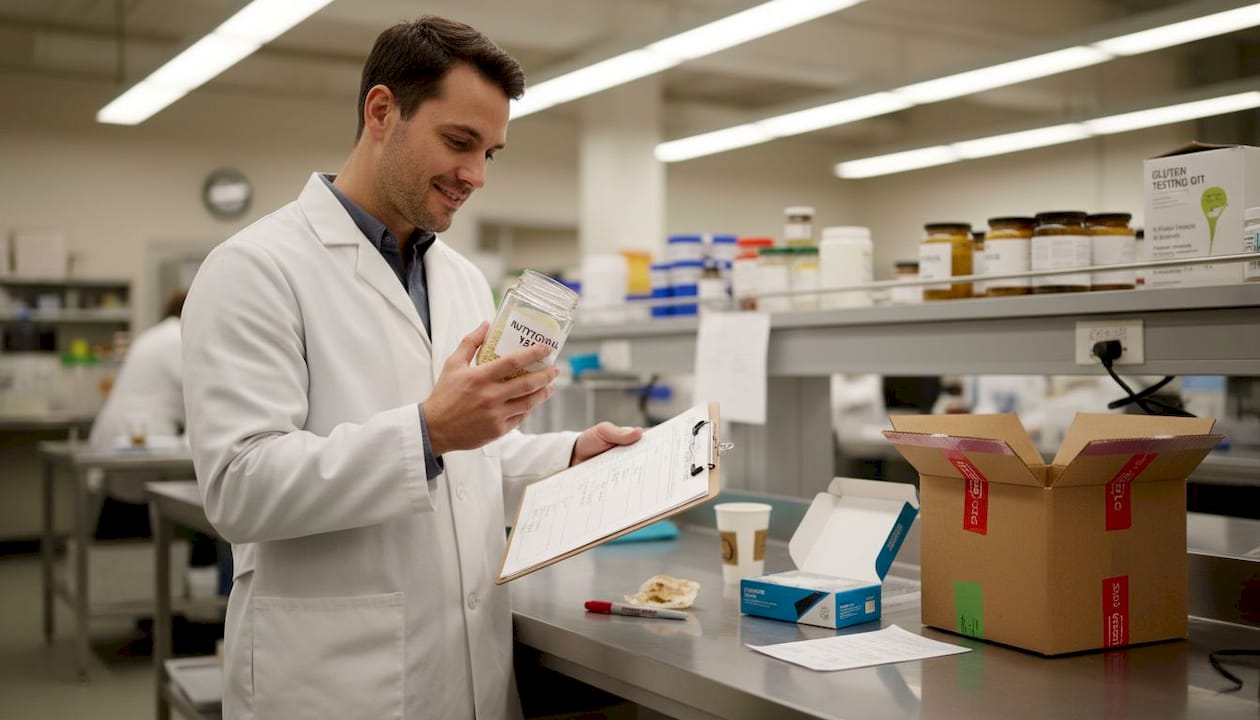
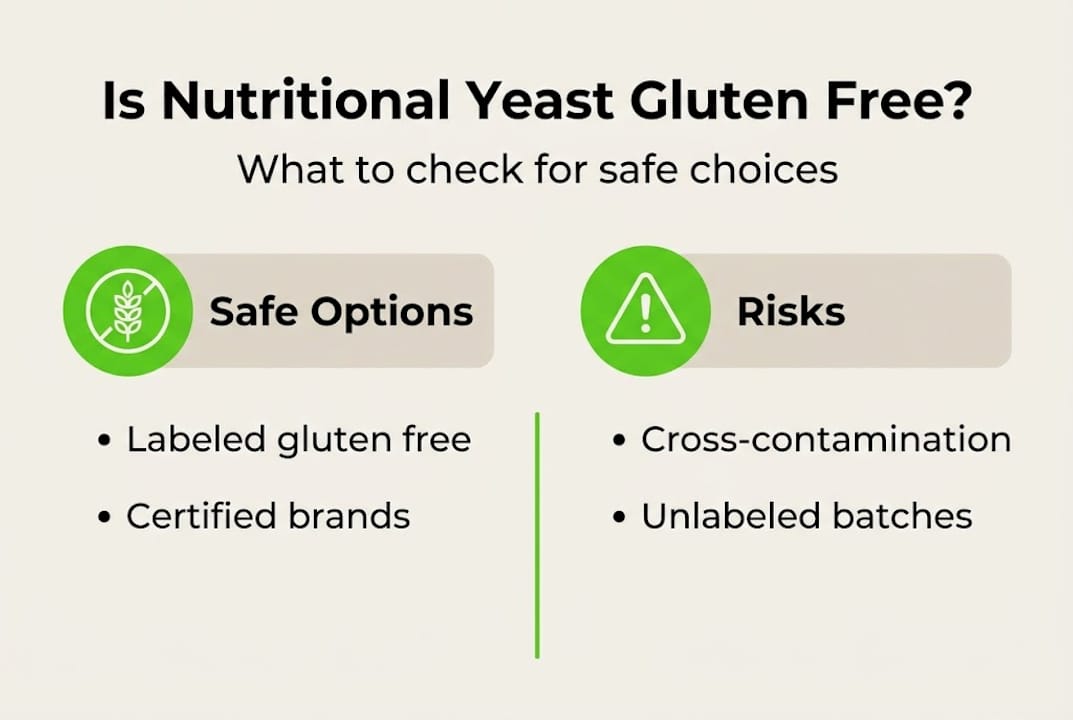
Despite its gluten-free origins, not all nutritional yeast on the shelf is guaranteed safe. The issue is cross-contamination, which occurs when a gluten-free product is processed in a facility that also handles wheat, barley, or rye. Equipment, conveyor belts, and shared air systems can all transfer trace gluten into an otherwise clean product.
The numbers here are sobering. Around 20% of unlabelled processed foods with no gluten-containing ingredients still exceed the 20ppm safety threshold due to cross-contact. By contrast, only 1.1% of labelled gluten-free products fail that same test. The difference a certified label makes is dramatic.
| Feature | Labelled gluten-free | Unlabelled (no gluten ingredients) |
|---|---|---|
| Gluten ppm guarantee | <20ppm confirmed | No guarantee |
| Cross-contamination tested | Yes | Rarely |
| Failure rate (>20ppm) | ~1.1% | ~20% |
| Safe for coeliacs | Yes | Uncertain |
| Recommended for gluten-sensitive | Yes | Use with caution |
Understanding cross-contamination risks is essential for anyone managing coeliac disease or severe sensitivity. You can also learn more about food labelling regulations to understand what manufacturers are legally required to disclose. For a broader view of hidden sources, gluten in non-grain foods covers many surprising examples.
Here is how to check a product label properly before buying:
- Look for a certified gluten-free logo from a recognised body
- Check the allergen statement for wheat, barley, rye, or oats
- Read the “may contain” advisory for shared facility warnings
- Verify the manufacturer’s website if the pack is unclear
- Contact the brand directly if you have coeliac disease and are unsure
For more guidance on foods to avoid with intolerance, external resources can also help clarify your choices.
Pro Tip: For coeliacs, never rely solely on a “naturally gluten free” claim. That phrase has no legal backing. Only a certified gluten-free label guarantees the product has been tested to meet the <20ppm standard.
Integrating nutritional yeast safely into your diet
Understanding the practical aspects of choosing and enjoying nutritional yeast will keep your gluten-free routine healthy and safe. The good news is that with the right product in hand, nutritional yeast is one of the easiest and most rewarding ingredients to add to daily meals.
When shopping, look for these markers of a safe, quality product:
- A certified gluten-free logo on the packaging
- Clear allergen information listing no wheat, barley, or rye
- A best-before date that allows adequate shelf life
- Fortification details listing specific vitamins and their quantities
- Packaging that is resealable to preserve freshness
One important caveat worth knowing: vitamin label accuracy is poor in the nutritional yeast category, with around 90% of products found to be mislabelled in independent testing. This makes buying from reputable, transparent brands even more important.
On the nutrition side, be mindful of niacin. Fortified versions may exceed the upper tolerable intake level of 35mg per serving, which can cause skin flushing in some people. Two tablespoons per day is a sensible amount for most adults.
| Product type | Fortified | Gluten-free certified | Key consideration |
|---|---|---|---|
| Standard flakes | Sometimes | Check label | Good for everyday use |
| Fortified with B12 | Yes | Check label | Ideal for vegans |
| Non-fortified | No | Check label | Lower niacin risk |
| Flavoured varieties | Sometimes | Often not certified | Higher cross-contamination risk |
For broader inspiration on vegan sources of nutrition, nutritional yeast pairs well with other plant-based staples. And if you are setting up a safe cooking space, gluten free kitchen tips will help you avoid cross-contamination at home. For personal strategies on coping with food intolerances, there is excellent guidance available to support your journey.
Store nutritional yeast in a cool, dry place in a sealed container. Once opened, it keeps well for several months without refrigeration, though keeping it away from moisture is essential to preserve its texture and potency.
Why cautious label reading trumps ingredients lists every time
With all this information, here is what our experience as gluten-free advocates has proved, even for cautious shoppers. The biggest risk is not the ingredient itself. It is the assumption that a clean ingredients list equals a safe product. That logic works for someone with a mild preference, but it is not enough for anyone with coeliac disease or severe gluten sensitivity.
We have seen time and again that “naturally gluten free” claims on packaging provide false reassurance. Many foods that contain no gluten ingredients still exceed safe limits due to shared production lines. Unlabelled products pose real risks for strict gluten avoidance, and the FDA’s <20ppm threshold only protects you when a brand has actively tested and certified its product to meet that standard. Understanding FDA gluten-free standards is part of becoming a truly informed shopper.
The uncomfortable truth is that reading ingredients takes five seconds. Reading the label properly, including the allergen advisory, the certification logo, and the manufacturer’s facility statement, takes thirty. That extra time is worth it every single time. Understanding the differences between gluten intolerance and coeliac disease also shapes how strictly you need to apply these rules. Our advice is simple: spend those extra seconds. Your gut will thank you.
Explore gluten-free goodness at Nature’s Soul
When you are confident in what to look for, the next step is finding reliable sources for your gluten-free and organic essentials. At Nature’s Soul, we stock a carefully curated range of certified gluten-free and vegan products with clean, transparent labelling so you never have to guess what is in your food.
From dry grocery staples to plant-based ingredients, every product in our health collection is chosen with your wellbeing in mind. If you prefer fresh, wholesome options delivered to your door, explore Nature’s Soul Fresh for seasonal produce and natural foods that support your lifestyle. Clean ingredients, honest labels, and real nutrition. That is what we stand for.
Frequently asked questions
Is all nutritional yeast safe for coeliacs?
Only products labelled gluten-free can guarantee fewer than 20ppm gluten and are therefore safe for coeliacs. Unlabelled products, even those with no gluten ingredients, may still carry cross-contamination risk.
How can I tell if nutritional yeast is truly gluten free?
Always check for a certified gluten-free logo rather than relying on the ingredients list alone. Around 20% of unlabelled processed foods with no gluten ingredients still exceed the safe 20ppm threshold from cross-contact.
Does fortified nutritional yeast pose any health risks?
Some fortified products may contain niacin levels that exceed 35mg per serving, which can cause skin flushing. Check serving sizes carefully and choose brands with accurate, transparent vitamin labelling.
Can I use nutritional yeast in gluten-free baking?
Yes, but only use products that carry a certified gluten-free label. This ensures the product has been tested to meet the <20ppm standard and is free from processing cross-contamination.


