


Every parent wants their family’s food to be as fresh and safe as possible, especially in the heart of Delhi NCR where space and nutrition are precious. Setting up an organic home garden empowers you to provide healthier meals while nurturing sustainable habits. With practical guidance on sunlight assessment, soil care, plant choices, and natural growing methods, you will create a vibrant green space that supports your family’s wellness right from your doorstep. Bold steps towards sustainable living start with choosing the best garden spot.
Table of Contents
- Step 1: Select The Best Spot For Your Home Garden
- Step 2: Prepare Organic-Rich Soil For Planting
- Step 3: Choose Suitable Seeds And Plants For Delhi NCR
- Step 4: Plant And Nurture Your Crops Using Natural Methods
- Step 5: Check Plant Health And Harvest Nutritious Produce
Quick Summary
| Key Insight | Explanation |
|---|---|
| 1. Optimal sunlight exposure is essential | Ensure your garden location receives at least 6 hours of direct sunlight daily for healthy plant growth. |
| 2. Prioritise organic-rich soil preparation | Create a nutrient-dense soil ecosystem by adding compost and minimising disturbances to promote plant vitality. |
| 3. Choose climate-resilient plant varieties | Select native plants and vegetables adapted to Delhi NCR’s climate, focusing on heat tolerance and low water needs. |
| 4. Use natural methods for crop management | Implement sustainable practices, like companion planting and organic nutrition, to nurture plants and prevent pests. |
| 5. Monitor plant health for successful harvest | Check for indicators of plant vitality regularly, and harvest produce at its peak for best nutritional quality. |
Step 1: Select the best spot for your home garden
Choosing the perfect location transforms your home garden from a potential struggle into a thriving green sanctuary. Your garden’s success depends entirely on selecting a site with optimal growing conditions that nurture your plants from seedling to harvest.
To find your ideal garden spot, start by assessing sunlight exposure. Well-drained garden locations require a minimum of 6 hours of direct sunlight daily. Walk around your outdoor space and observe which areas receive consistent, uninterrupted sunshine - typically areas away from large trees or building shadows.
Consider these critical factors when selecting your garden location:
- Sunlight access: Minimum 6 hours of direct daily sunshine
- Soil drainage: Areas with water-permeable ground
- Water proximity: Close to a water source for convenient irrigation
- Ground levelness: Preferably flat or gently sloping terrain
Avoid planting near established trees or shrubs that might compete for nutrients and water. These existing plants have extensive root systems that can significantly impact your garden’s growth potential. Instead, choose a spot with independent soil conditions and clear solar access.
Proximity to your home is another crucial consideration. Accessible garden sites encourage regular maintenance and allow you to monitor plant health easily. Position your garden where you can quickly check on seedlings, remove weeds, and harvest produce without significant walking distance.
Top gardening tip: Spend a full day observing potential garden locations before making a final decision, tracking exact sunlight patterns and noting any environmental challenges.
Step 2: Prepare organic-rich soil for planting
Transforming your garden begins with creating a nutrient-dense foundation that will nurture your plants from roots to leaves. Preparing organic-rich soil is more than just digging and planting - it’s about crafting a living ecosystem that supports robust plant growth.
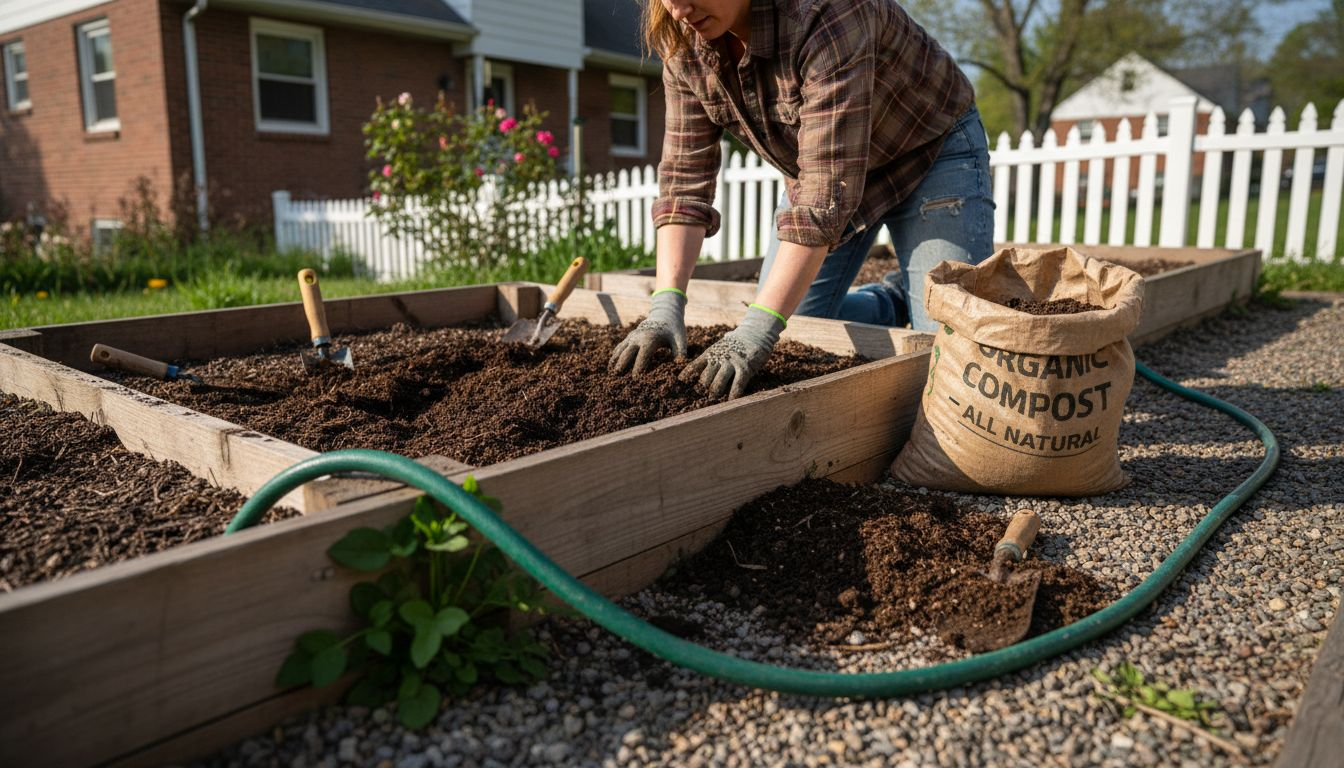
Start by understanding that healthy soil management involves strategic approaches to maintain soil vitality. Your goal is to create an environment where nutrients, microorganisms, and organic matter work harmoniously to support plant development.
Key strategies for building exceptional garden soil include:
- Incorporate organic matter: Add compost, aged manure, and plant residues
- Minimise soil disturbance: Reduce tilling to preserve soil structure
- Maintain ground coverage: Use mulch and cover crops to protect soil
- Enhance biological diversity: Rotate crops and introduce varied plant species
The process of creating rich organic soil requires patience and deliberate intervention. Add organic compost gradually, mixing it thoroughly with existing ground to improve nutrient availability and soil structure. Aim for a dark, crumbly texture that indicates healthy microbial activity.
Building organic matter creates a dynamic soil ecosystem that supports plant health and resilience.
Consider implementing organic matter building practices like incorporating green manure crops and maintaining diverse plant rotations. These techniques enhance moisture retention, nutrient cycling, and overall soil fertility.
Expert gardening advice: Conduct a simple soil test before adding amendments to understand your specific soil composition and targeted nutrient requirements.
Step 3: Choose suitable seeds and plants for Delhi NCR
Successful gardening in Delhi NCR requires understanding the unique microclimatic challenges of this urban landscape. Your seed and plant selection will determine the resilience and productivity of your home garden, transforming it from a mere patch of ground into a thriving green sanctuary.
Focus on native plant species adapted to the local environment. These plants have evolved to withstand Delhi’s intense summers, sporadic monsoon rainfall, and occasional winter chills, making them naturally more robust than imported varieties.
Key considerations for seed and plant selection include:
- Climate resilience: Choose heat-tolerant and drought-resistant varieties
- Growing season: Select plants matching Delhi’s specific seasonal windows
- Water requirements: Prioritise low-water consumption species
- Nutritional value: Focus on vegetables and herbs with high yield potential
Delhi’s challenging climate demands strategic plant choices. Vegetable varieties like okra, brinjal, tomatoes, and leafy greens such as spinach and amaranth perform exceptionally well in this region. For herbs, consider local medicinal plants like tulsi, mint, and coriander that thrive in urban gardens.
Here’s a concise comparison of common vegetable varieties suitable for Delhi NCR gardens:
| Vegetable | Heat Tolerance | Water Requirement | Harvest Period |
|---|---|---|---|
| Okra | Very High | Low | Summer |
| Brinjal | High | Moderate | Late Spring |
| Tomato | Moderate | Moderate | Spring/Summer |
| Spinach | Low | High | Winter |
| Amaranth | High | Low | Summer |
Native plant species offer superior adaptation to local soil and climate conditions, reducing maintenance efforts and increasing garden success.
Consider exploring biodiversity park recommendations for inspiration on indigenous plant selections. These local ecosystems provide valuable insights into which species naturally flourish in Delhi NCR’s unique environmental context.
Gardening wisdom: Purchase seeds from reputable local suppliers who understand Delhi’s specific agricultural microclimates and can provide region-specific guidance.
Step 4: Plant and nurture your crops using natural methods
Transforming your garden from a collection of seeds to a thriving ecosystem requires thoughtful, gentle intervention. Natural crop management goes beyond simple planting - it’s about creating a harmonious environment where your plants can flourish without synthetic interventions.
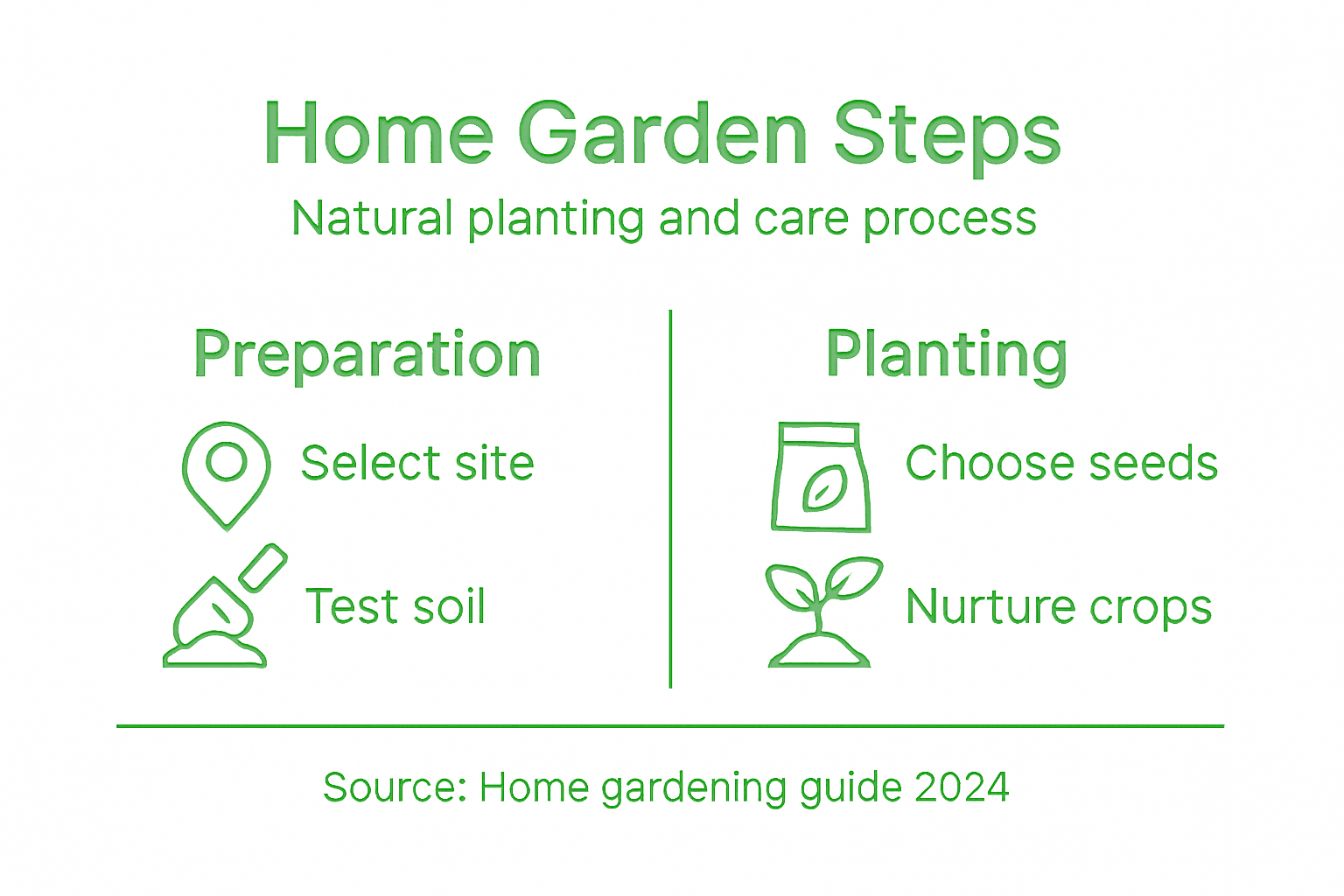
Sustainable agricultural practices emphasise working with nature’s inherent rhythms, not against them. This means understanding each plant’s unique needs and supporting its growth through holistic, environmentally friendly techniques.
Key natural nurturing strategies include:
- Integrated pest management: Use companion planting and natural predators
- Minimal soil disturbance: Practice gentle planting techniques
- Organic nutrition: Feed plants with natural compost and biological amendments
- Biodiversity promotion: Encourage beneficial insects and diverse plant interactions
Planting techniques demand patience and careful observation. Space your seedlings appropriately, ensuring each has sufficient room to develop robust root systems. Water gently, using methods that mimic natural rainfall patterns - think soft, consistent moisture rather than aggressive drenching.
Natural crop management creates resilient plants that can withstand environmental challenges more effectively than chemically supported alternatives.
Crop rotation and conservation strategies play a crucial role in maintaining long-term garden health. Alternate plant families in different seasons to prevent nutrient depletion and disrupt potential pest cycles.
Gardening wisdom: Observe your plants daily, learning their unique language of growth, stress, and vitality - this intuitive approach is the cornerstone of successful natural gardening.
Step 5: Check plant health and harvest nutritious produce
The final stage of your gardening journey is perhaps the most rewarding - understanding how to assess your plants’ vitality and harvest produce at its nutritional peak. Plant health monitoring transforms your garden from a mere growing space into a carefully managed ecosystem of wellness.
Produce health monitoring requires keen observation and systematic checking. Look for early signs of nutrient deficiencies, potential pest invasions, and overall plant vigour that indicate the success of your natural gardening approach.
Key indicators of plant health include:
Use this reference to detect and prevent common plant health issues:
| Indicator | Likely Cause | Suggested Action |
|---|---|---|
| Yellow leaves | Nutrient deficiency | Add compost or fertiliser |
| Wilting plants | Under/overwatering | Adjust irrigation routine |
| Stunted growth | Poor soil quality | Improve soil with organics |
| Leaf spots | Fungal disease | Remove affected leaves |
- Leaf colour and texture: Vibrant green, no yellowing or spotting
- Root development: Strong, white roots without discolouration
- Growth patterns: Consistent and proportional plant development
- Pest resistance: Minimal insect damage or disease symptoms
Harvesting techniques demand precision and patience. Pick vegetables and herbs when they reach peak maturity, typically indicated by their size, colour, and firmness. For leafy greens, harvest outer leaves first, allowing the centre to continue growing - a strategy that extends your plant’s productive cycle.
Careful observation and timely intervention are the cornerstones of maintaining a thriving, nutritious home garden.
Postharvest handling practices play a crucial role in preserving your harvest’s quality. Cool produce quickly after picking, handle gently to prevent bruising, and clean harvested items with cool water to remove dirt and potential contaminants.
Gardening wisdom: Keep a garden journal to track plant performance, noting harvest times, yields, and any challenges - this record becomes an invaluable resource for future growing seasons.
Embrace Natural Home Gardening with Pure, Organic Solutions
Starting a home garden naturally for fresh produce can be challenging when facing soil quality issues, climate adaptability, and pest management without chemicals. This article highlights the importance of organic-rich soil preparation, selecting resilient plants tailored for Delhi NCR, and nurturing crops with sustainable methods to ensure a thriving garden. If you seek to complement your efforts with pure, clean ingredients that align with your natural gardening goals, discover how Nature’s Soul can support your wellness journey.

Experience the freshness of organically sourced fruits, vegetables, and more at Nature’s Soul Shop. Our collection of natural and organic products ensures you nourish your body and home with trusted quality, helping you take your garden harvest to the next level of wholesome goodness. Start today by exploring organic wellness essentials that perfectly accompany your eco-friendly lifestyle. Visit us now to nurture your health and garden with nature’s finest.
Frequently Asked Questions
How do I select the best spot for my home garden naturally?
Choosing the right location is essential for a thriving home garden. Look for a site that receives at least 6 hours of direct sunlight daily, has well-drained soil, and is easily accessible for maintenance.
What steps should I take to prepare organic-rich soil for planting?
To create nutrient-dense soil, begin by incorporating compost and aged manure into the existing ground. Aim for a dark, crumbly texture that indicates healthy microbial activity by mixing the organic matter thoroughly.
Which native plants are suitable for my home garden in an urban environment?
Select native plant species that are adapted to your local climate, focusing on heat-tolerant and drought-resistant varieties. Ideal choices include okra, brinjal, and leafy greens like spinach that thrive under urban conditions.
How do I nurture my plants using natural methods after planting?
Implement natural crop management techniques such as integrated pest management and minimal soil disturbance. Regularly check on your plants and water them gently to mimic natural rainfall, ensuring they have the best chance to flourish.
How can I assess the health of my plants and when should I harvest?
Monitor your plants by checking for vibrant leaf colour, strong root development, and consistent growth patterns. Harvest vegetables when they reach peak maturity, paying attention to size, colour, and firmness to ensure the best flavour and nutrition.


