


Fresh fruit and vegetables, plain meat, poultry, fish and eggs, legumes, nuts, seeds, and grains like rice, quinoa, and millet are all naturally free of gluten and dairy. Certified oats belong on that list too, provided they’re labelled gluten-free. Anything packaged or processed still needs a label check, but between whole foods and the growing range of certified products, building satisfying meals and treats on this diet is genuinely straightforward.
TL;DR:
- Whole foods such as fresh produce, plain proteins, and certified gluten-free grains form the core of a safe gluten and dairy free diet, reducing label reliance.
- Certification guarantees products test below strict gluten thresholds, but reading ingredients is essential for processed items and hidden gluten sources.
- Processed meats, sauces, spice blends, and non-certified oats pose the highest cross-contact risks, requiring careful label checks and sourcing.
- Establishing a well-stocked pantry with recognized ingredients simplifies meal planning and minimizes accidental exposure to gluten or dairy.
- Proper kitchen controls and communication are vital for avoiding cross-contact at home and during eating out, especially for coeliac disease management.
Table of Contents
- Naturally gluten free dairy free foods: what to build meals around
- Reading labels: what “certified gluten free” actually guarantees
- Easy meal ideas across breakfast, lunch, dinner and snacks
- Staying safe with coeliac disease and cross-contact at home
- Where this guidance comes from
- What actually matters most in this diet
- Shop smarter with Naturessoulshop’s gluten free, dairy free range
- Sources
Naturally gluten free dairy free foods: what to build meals around
Fresh produce is the foundation of any gluten and dairy free diet, and it needs no label reading at all. An apple, a courgette, a bag of spinach: none of it carries gluten or dairy risk unless something is added later in processing.
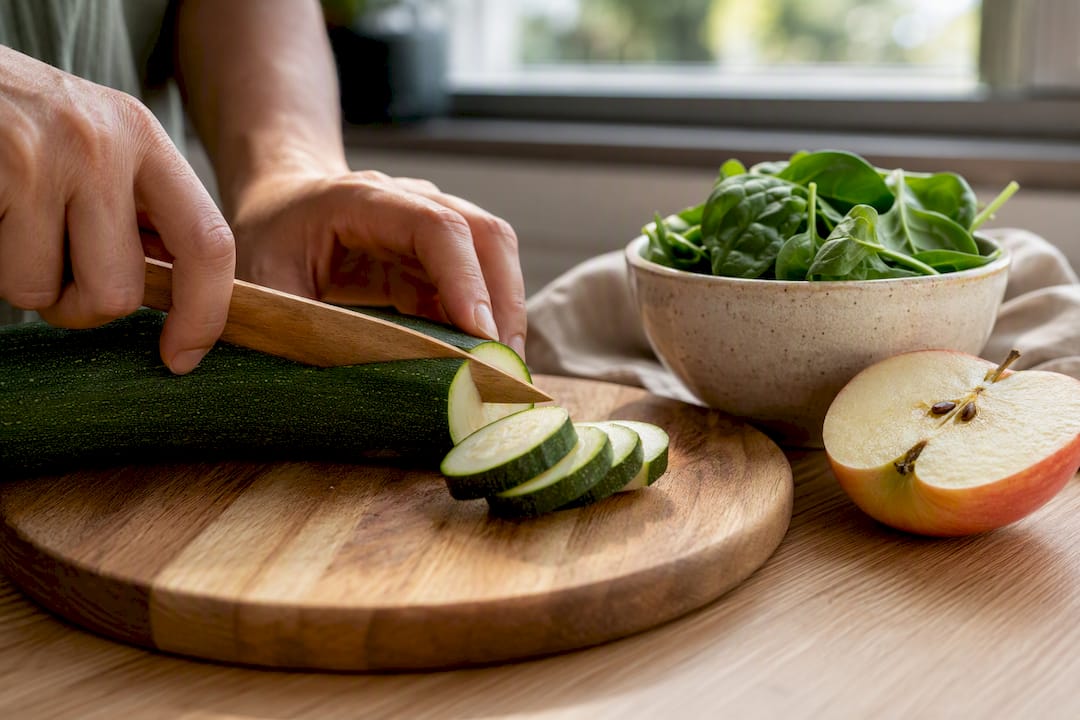
Plain proteins sit right alongside them. Fresh meat, poultry, fish, seafood and eggs are all safe in their unprocessed state, according to the Celiac Disease Foundation. The catch is processed meat. Sausages, deli slices and marinated cuts often contain fillers, breadcrumbs or dairy-based binders, so those need a label check every time, not just the first time.
Grains are where most people get caught out, assuming “grain” automatically means wheat. It doesn’t. Rice, quinoa, millet, buckwheat, sorghum, corn and tapioca are all naturally gluten-free, and each behaves differently in cooking, which is worth knowing before you commit a whole meal to one. Buckwheat has a nutty bite that works well in porridge; sorghum flour bakes closer to wheat than most alternatives. Oats are the one exception that needs its own rule: they’re gluten-free by nature, but most oats are processed on shared equipment with wheat, so buy only oats explicitly certified gluten-free.
Round out the plate with:
- Legumes — lentils, chickpeas and beans for fibre and plant protein
- Nuts and seeds — almonds, walnuts, chia and flax for healthy fats
- Healthy fats — olive oil, avocado and coconut milk instead of butter or cream
- Fresh herbs over spice blends — some commercial spice blends have tested positive for trace gluten, so single-ingredient spices are the safer default
Reading labels: what “certified gluten free” actually guarantees
“Certified gluten-free” isn’t a marketing flourish. It means a product has been tested to a specific standard, and understanding that standard changes how carefully you need to check a label.
Products labelled gluten-free must test below the recognized safety threshold for gluten content to meet the threshold most regulators and the Celiac Disease Foundation treat as safe for coeliac disease. That’s a genuinely low bar, well below what most people could taste or detect, and it’s the number that separates a trustworthy label from a guess.
Certification marks (gluten-free, vegan, Pareve) are useful shortcuts, but they don’t replace reading the ingredients list, especially on anything processed. Watch for:
- Wheat, barley, rye and malt — the obvious gluten sources, but malt often hides in cereals, sauces and beer-derived flavourings
- Whey, casein and lactose — dairy derivatives that turn up in “non-dairy” products more often than you’d expect
- Modified food starch and natural flavourings — vague terms that can originate from wheat depending on the manufacturer
- Shared-equipment warnings — “may contain traces of” statements matter more for coeliac disease than for a simple sensitivity
When a product doesn’t carry certification, checking hidden gluten sources directly against the ingredient list is the only reliable move, particularly for sauces, spice blends, and anything with “flavouring” in the name.
Easy meal ideas across breakfast, lunch, dinner and snacks
Nobody sticks with a diet built entirely on rules. These are quick, repeatable ideas that use the categories above without turning every meal into a project.
- Smoothie bowl with coconut yoghurt — blend frozen berries, a banana and dairy-free yoghurt, then top with chia seeds and toasted buckwheat groats for crunch.
- Quinoa porridge — cook quinoa in oat milk or almond milk with cinnamon and dates instead of the usual porridge oats.
- Gluten-free pancakes — a certified gluten-free flour blend, eggs, and mashed banana make a batter that needs no dairy at all.
- Grain bowl with roasted vegetables — rice or millet as a base, roasted sweet potato and chickpeas on top, tahini dressing instead of a creamy one.
- Chickpea wraps — corn tortillas filled with mashed spiced chickpeas, avocado and pickled onion.
- Big salad with citrus dressing — leafy greens, grilled chicken, nuts and an olive oil and lemon dressing skip dairy entirely while still tasting rich.
- One-pan roast — chicken thighs, root vegetables and olive oil on a single tray; minimal effort, no cross-contact worries.
- Coconut dhal — lentils simmered in coconut milk with turmeric and cumin deliver the creaminess people usually associate with dairy.
- Dairy-free creamy pasta — gluten-free pasta tossed in a cashew cream sauce (soaked, blended cashews) with garlic and nutritional yeast for a cheesy note.
- Kid-friendly snack plate — rice crackers, apple slices, sunflower seed butter and a few gluten-free pretzels covers most fussy-eater demands at once.
- Chocolate and almond flour brownies using dairy-free dark chocolate and coconut oil close out the day without anyone feeling short-changed on dessert.
Pro Tip: When you drop dairy, you lose a lot of built-in richness, so replace it with technique rather than a swap. Roasting vegetables deepens their natural sugars, cashew cream mimics the body of double cream, and a spoon of miso or nutritional yeast adds the umami depth that cheese usually provides.
Staying safe with coeliac disease and cross-contact at home
Coeliac disease has zero tolerance for “close enough,” which is why the 20 ppm threshold matters more here than for a general sensitivity. Trace amounts genuinely trigger a reaction in someone with the condition, so certified products and careful handling both count.
At home, a few controls make the biggest difference:
- Keep a dedicated toaster for gluten-free bread, since crumbs from regular bread are a real cross-contact source
- Use separate utensils, chopping boards and colanders where possible, or wash thoroughly between uses
- Store gluten-free flours and oats above regular flour to avoid airborne dust settling into open containers
- Contact the manufacturer directly if a label is ambiguous about shared production lines
Eating out needs its own checklist. Ask specifically whether the kitchen has a dedicated fryer, whether sauces contain flour as a thickener, and whether “gluten-free” options are prepared on shared surfaces. Cream-based sauces, battered items and soy sauce are the most common hidden traps on a menu.
Pro Tip: If you’re cutting out major food groups long-term, a registered dietitian can flag nutrient gaps (calcium, iron, B vitamins) before they become a problem rather than after.
Where this guidance comes from
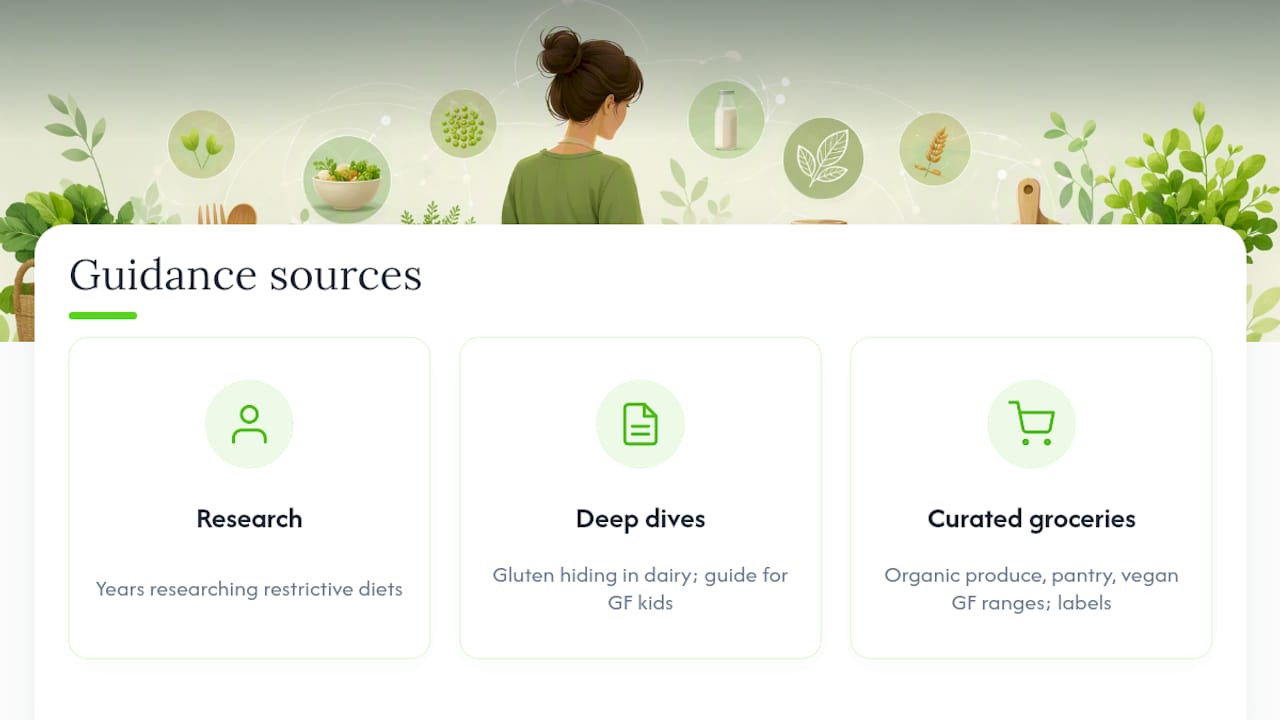
Arjit has spent years researching restrictive diets and translating the confusing parts, hidden gluten in dairy, oat cross-contact, kid-safe snacking, into guidance people can actually shop by. That’s reflected in deeper dives like gluten hiding in dairy products and a practical guide for gluten-free kids.
A similar focus is on organic, clean-ingredient groceries across fresh produce, dry pantry staples, and dedicated vegan and gluten-free ranges, curated with label scrutiny in mind.
What actually matters most in this diet
The recipe-list approach to gluten and dairy free eating gets the sequencing backwards. Most guides lead with dessert swaps and pancake recipes, then treat label reading as an afterthought buried near the bottom. That’s the wrong order for anyone managing coeliac disease, where a 20 ppm slip isn’t a minor inconvenience.
Get the pantry right first. A kitchen stocked with certified oats, plain proteins, and grains you actually recognise removes most of the daily decision-making before a single recipe gets involved. Recipes are the fun part, and there’s no shortage of them, but they’re only as safe as the ingredients behind them.
The other overrated piece of advice is one-for-one substitution: swap this cheese for that cheese, this flour for that flour. It rarely tastes as good, and it keeps you chasing an imitation instead of building dishes that were designed around what you can actually eat. Coconut dhal doesn’t need to taste like a dairy curry to be excellent. It just needs to be excellent on its own terms.
Prioritise the label literacy first, the flavour techniques second, and the recipe hunting last. That order keeps you safer and, honestly, makes for better cooking too.
— Arjit
Shop smarter with Naturessoulshop’s gluten free, dairy free range
The online store offers dedicated vegan and gluten-free categories alongside fresh produce and dry groceries, all with clean ingredients as standard, to reduce label-scrutiny guesswork.
If you’re after the pantry staples covered above, snacks like Jowar Namak Para show exactly the kind of gluten-free, vegan product built for this diet, and the wider health-focused range covers the rest of the categories from this guide. For fresh produce with same-day delivery in Delhi NCR, Nature’s Soul Fresh fills the fruit-and-vegetable half of the plate. Browse the full collection and build your next grocery order around a pantry that’s already been checked for you.


