


Building a weekly organic grocery list can feel overwhelming when you face dozens of vendors, certifications, and product claims across Delhi NCR markets. Health-conscious shoppers want clean, natural ingredients but struggle to identify which items truly meet organic standards and fit their dietary needs. This guide presents a practical framework to simplify your weekly shopping by focusing on verified certifications, seasonal availability, and trusted local sources. You’ll learn how to prioritise fresh produce, balance nutrition across diverse lifestyles, and make informed choices that support your wellness goals without wasting time or money on products that don’t deliver genuine value.
Table of Contents
- What To Look For When Building Your Weekly Organic Grocery List
- Top Seasonal Organic Items To Include In Your Weekly Grocery List
- Comparing Local Markets And Online Options For Organic Groceries In Delhi NCR
- How To Tailor Your Weekly Organic Grocery List For Diverse Dietary Needs
- Nature’s Soul Shop: Your Source For Quality Organic Groceries In Delhi NCR
- FAQ
Key takeaways
| Point | Details |
|---|---|
| Verify certifications | Check for NPOP and India Organic logos to confirm authentic organic products |
| Shop seasonally | Select 3-5 seasonal items weekly for superior freshness and nutritional value |
| Combine sourcing methods | Use farmers markets for produce and online delivery for pantry staples |
| Tailor to dietary needs | Customise your list for vegetarian, vegan, or gluten-free lifestyles |
| Plan with meal prep | Integrate organic groceries efficiently through structured weekly meal preparation |
What to look for when building your weekly organic grocery list
Selecting the right organic groceries requires more than grabbing items labelled “natural” or “chemical-free.” You need a clear framework to evaluate products based on authentic certifications, seasonal timing, and reliable sourcing channels. Start by checking every product for NPOP or India Organic certification marks, which guarantee the item meets government-approved organic standards. These certifications verify that farmers followed strict protocols during cultivation, processing, and handling, giving you confidence in product authenticity.
Seasonal produce delivers superior taste, nutrition, and value compared to out-of-season alternatives. When you plan weekly around 3-5 seasonal items, you’re buying fruits and vegetables at peak ripeness, which maximises flavour compounds and vitamin content whilst reducing transport time from farm to table. Delhi NCR’s climate creates distinct growing seasons, so mangoes thrive in summer whilst leafy greens flourish during cooler months. Aligning your shopping with these natural cycles ensures you get the freshest options available.
Local farmers markets provide direct access to growers who can answer questions about cultivation methods and harvest dates. Markets like Gurgaon Organic, Chhatarpur, and Sunder Nursery host vendors every weekend, creating opportunities to inspect produce quality firsthand and build relationships with suppliers. You’ll notice visible differences in colour, texture, and aroma when comparing market produce to items that spent days in cold storage. Understanding organic certification in India helps you ask informed questions and spot authentic products quickly.
Meal prep techniques transform your weekly organic shopping from a chore into an efficient system. Dedicate two hours each Sunday to washing, chopping, and portioning your market haul into ready-to-cook ingredients. This approach reduces weeknight cooking time whilst ensuring you actually use every item before spoilage occurs. When you practise cooking with seasonal produce, you develop skills to adapt recipes based on what’s freshest rather than forcing specific ingredients year-round.
Pro Tip: Arrive at farmers markets by 8am on Saturdays to secure the best selection before popular items sell out, and bring reusable bags to avoid plastic packaging that contradicts your clean eating goals.
Top seasonal organic items to include in your weekly grocery list
Different seasons bring distinct organic options that should form the foundation of your weekly shopping. Summer months from April through June offer mangoes, watermelons, and cucumbers at their peak ripeness and sweetness. Monsoon season introduces bottle gourd, ridge gourd, and fresh green beans that thrive in humid conditions. Autumn delivers guavas, pomegranates, and sweet potatoes with concentrated flavours. Winter provides oranges, carrots, and leafy greens like spinach and fenugreek that develop better texture in cooler temperatures.
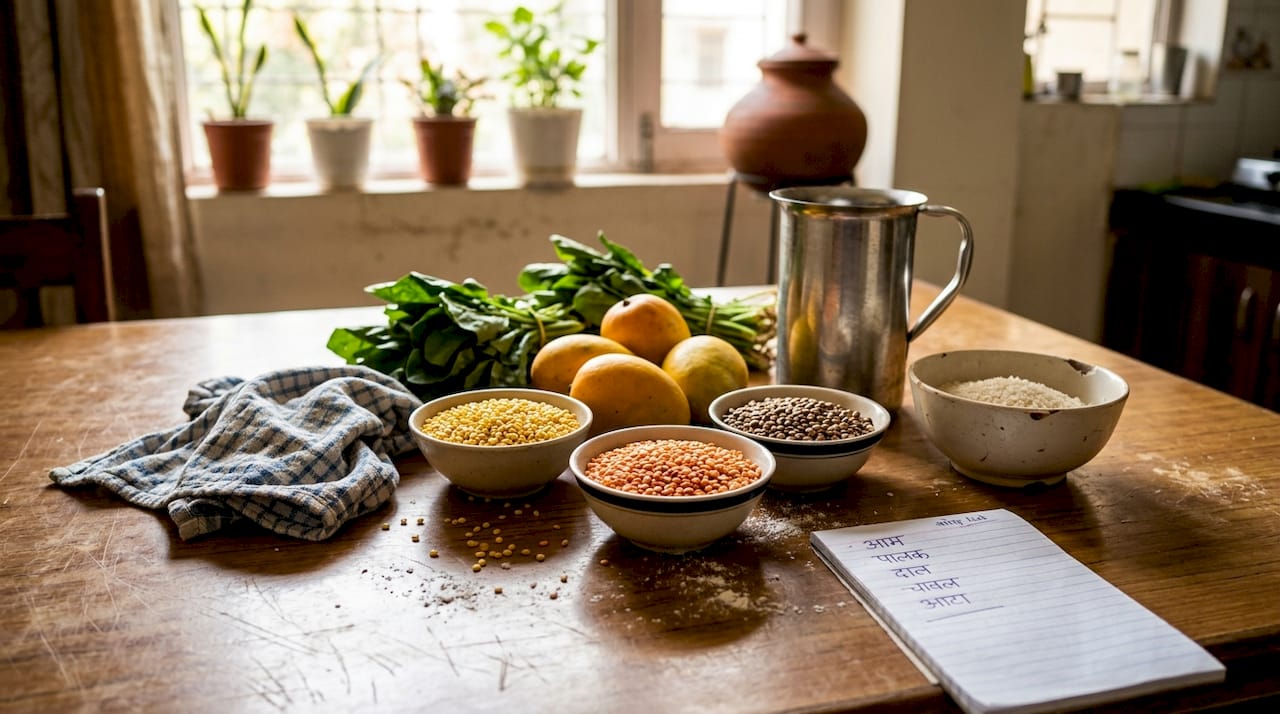
Organic vegetables form the backbone of clean eating across all dietary preferences. Tomatoes, onions, and capsicums appear consistently in Delhi NCR markets throughout the year, making them reliable staples for your list. Seasonal rotation introduces variety, so you might prioritise aubergine and okra during summer, then switch to cauliflower and cabbage when temperatures drop. These vegetables adapt to multiple cooking methods and cuisines, giving you flexibility in meal preparation without requiring specialty ingredients.
Whole grains and organic pulses provide essential protein and fibre for vegetarian and vegan diets common in Delhi NCR households. Brown rice, quinoa, and millet offer alternatives to refined white rice whilst delivering more nutrients and sustained energy. Organic lentils, chickpeas, and kidney beans supply complete amino acids when combined properly, supporting muscle health without animal products. Weekly market deliveries from Jaivikfood arrive on Thursdays and Sundays, ensuring you can restock these pantry essentials regularly without compromising freshness.
Organic dairy products and eggs add protein diversity for those who include animal products in their diet. Fresh milk, paneer, and yoghurt from certified organic dairies contain no synthetic hormones or antibiotics, addressing concerns about conventional dairy production. Free-range organic eggs provide omega-3 fatty acids and vitamin D, particularly valuable for urban residents with limited sun exposure. Rotate these items weekly based on your household consumption patterns and recipe requirements.
Maintaining variety prevents flavour fatigue and ensures you receive a broad spectrum of nutrients. Create a simple rotation system where you alternate between different vegetable families each week. If you focused on cruciferous vegetables like broccoli and cabbage one week, shift to root vegetables like beetroot and radish the next. This approach naturally diversifies your vitamin and mineral intake whilst keeping meals interesting. Planning meals through healthy family meal planning helps you integrate these rotations systematically.
Comparing local markets and online options for organic groceries in Delhi NCR
Farmers markets deliver unmatched freshness because you’re buying directly from growers who harvested produce within 24 hours. You can inspect items visually, ask specific questions about growing practices, and select exactly the specimens you want rather than accepting pre-packaged assortments. This direct interaction builds trust and gives you insight into seasonal availability patterns. However, markets require time investment, typically consuming 2-3 hours including travel, shopping, and waiting in queues during peak periods.
Online delivery services offer convenience that fits busy schedules, allowing you to order from your mobile whilst commuting or during lunch breaks. Platforms provide scheduled delivery windows, eliminating the need to adjust your weekend plans around market hours. Product range often exceeds what individual market vendors stock, giving you access to specialty items like organic coconut sugar or gluten-free flours. Freshness can vary depending on the service’s supply chain efficiency and storage practices, so verify how quickly items move from farm to your doorstep.
| Factor | Farmers Markets | Online Delivery |
|---|---|---|
| Freshness | Excellent (harvested 24 hours prior) | Good to excellent (depends on logistics) |
| Price | Moderate (direct pricing, no middlemen) | Moderate to high (includes delivery fees) |
| Variety | Seasonal focus (limited to local availability) | Broad range (includes imported and specialty items) |
| Convenience | Low (requires weekend time commitment) | High (order anytime, scheduled delivery) |
| Certification verification | Direct (inspect and ask vendors) | Moderate (rely on platform’s vetting process) |
Combining both sourcing methods creates an optimal strategy for most households. Shop markets on Saturdays early for fresh fruits, vegetables, and herbs where visual inspection matters most. Use online delivery for shelf-stable pantry items like grains, pulses, oils, and spices where freshness concerns are minimal. This hybrid approach maximises the strengths of each channel whilst minimising their limitations.
Verifying certifications requires different tactics depending on your source. At farmers markets, examine packaging for NPOP or India Organic logos and ask vendors for certification documents if claims seem questionable. Reputable growers carry laminated certificates and happily share them with interested customers. Online platforms should display certification details on product pages, but you can also request documentation through customer service before placing large orders. Understanding local produce benefits helps you evaluate whether sourcing claims align with realistic growing conditions.
Pro Tip: Create a master shopping list divided into “market items” and “online items” based on freshness requirements, then schedule your market visit and online order to arrive on the same weekend for complete weekly coverage.
Meal prep integration becomes simpler when you coordinate both channels. Plan recipes that use fresh market produce as hero ingredients, supported by online-sourced pantry staples that add flavour and nutrition. This strategy ensures you consume the most perishable items first whilst maintaining variety through shelf-stable components. Resources on easy meal prep for organic and gluten-free diets provide frameworks to structure this coordination systematically.
How to tailor your weekly organic grocery list for diverse dietary needs
Different dietary lifestyles require specific adjustments to your organic shopping strategy whilst maintaining focus on clean, natural ingredients. Vegetarian diets emphasise plant proteins from pulses, dairy, and eggs, requiring you to stock multiple protein sources weekly. Vegan lifestyles eliminate all animal products, shifting focus to legumes, nuts, seeds, and fortified plant milks for complete nutrition. Gluten-free eating removes wheat, barley, and rye, demanding alternative grains like rice, quinoa, and millet. Whole-food clean eating prioritises minimally processed items regardless of other dietary restrictions.
Versatile organic vegetables adapt easily across multiple dietary frameworks. Leafy greens like spinach, kale, and Swiss chard provide iron, calcium, and vitamins whether you’re vegetarian, vegan, or following clean eating principles. Cruciferous vegetables such as broccoli and cauliflower offer fibre and antioxidants suitable for all diets. Root vegetables like sweet potatoes and beetroot deliver complex carbohydrates that fuel active lifestyles without requiring special preparation techniques. Prioritise these adaptable options to simplify meal planning when household members follow different dietary paths.
Balancing macronutrients from organic sources ensures your body receives adequate protein, carbohydrates, and healthy fats. Vegetarians can combine dal with rice to create complete proteins, whilst vegans might pair quinoa with chickpeas for similar amino acid profiles. Healthy fats come from organic nuts, seeds, avocados, and cold-pressed oils that support hormone production and nutrient absorption. Complex carbohydrates from whole grains and starchy vegetables provide sustained energy without blood sugar spikes common with refined alternatives.
Superfoods and natural snacks enhance nutrition without compromising your clean eating standards. Organic chia seeds, flaxseeds, and hemp hearts add omega-3 fatty acids to smoothies and yoghurt. Raw nuts and dried fruits create portable snacks free from artificial preservatives and added sugars. Fermented foods like organic pickles and yoghurt support gut health through natural probiotics. These items bridge gaps between meals whilst contributing meaningful nutritional value.
Practical meal prep steps aligned to weekly shopping:
- Review your household’s dietary requirements and upcoming week’s schedule to identify how many meals you need to prepare.
- Select 3-5 seasonal organic vegetables and 2-3 protein sources that fit everyone’s dietary restrictions.
- Choose 2-3 whole grains or gluten-free alternatives to provide variety throughout the week.
- Shop farmers markets Saturday morning for fresh produce, then place online orders for pantry staples.
- Dedicate Sunday afternoon to washing, chopping vegetables and batch-cooking grains and proteins.
- Portion prepared ingredients into containers labelled by meal and dietary category for quick assembly.
- Store prepped items strategically in your refrigerator with most perishable ingredients at eye level for priority use.
Customising your list becomes systematic once you establish these patterns. Track which items your household consumes fastest and adjust quantities accordingly. Notice which recipes generate enthusiasm versus those that languish as leftovers, then modify your shopping to favour successful options. Guidance on organic gluten-free meal prep provides additional frameworks for managing complex dietary combinations efficiently.
Nature’s Soul Shop: your source for quality organic groceries in Delhi NCR
Navigating organic shopping becomes significantly easier when you partner with retailers who prioritise certification verification and product quality. Nature’s Soul Shop offers a comprehensive selection of certified organic groceries through our online platform, eliminating the guesswork from your weekly shopping routine. Every product in our catalogue undergoes rigorous checking for NPOP and India Organic certifications before we add it to our inventory, giving you confidence that items meet genuine organic standards rather than marketing claims.
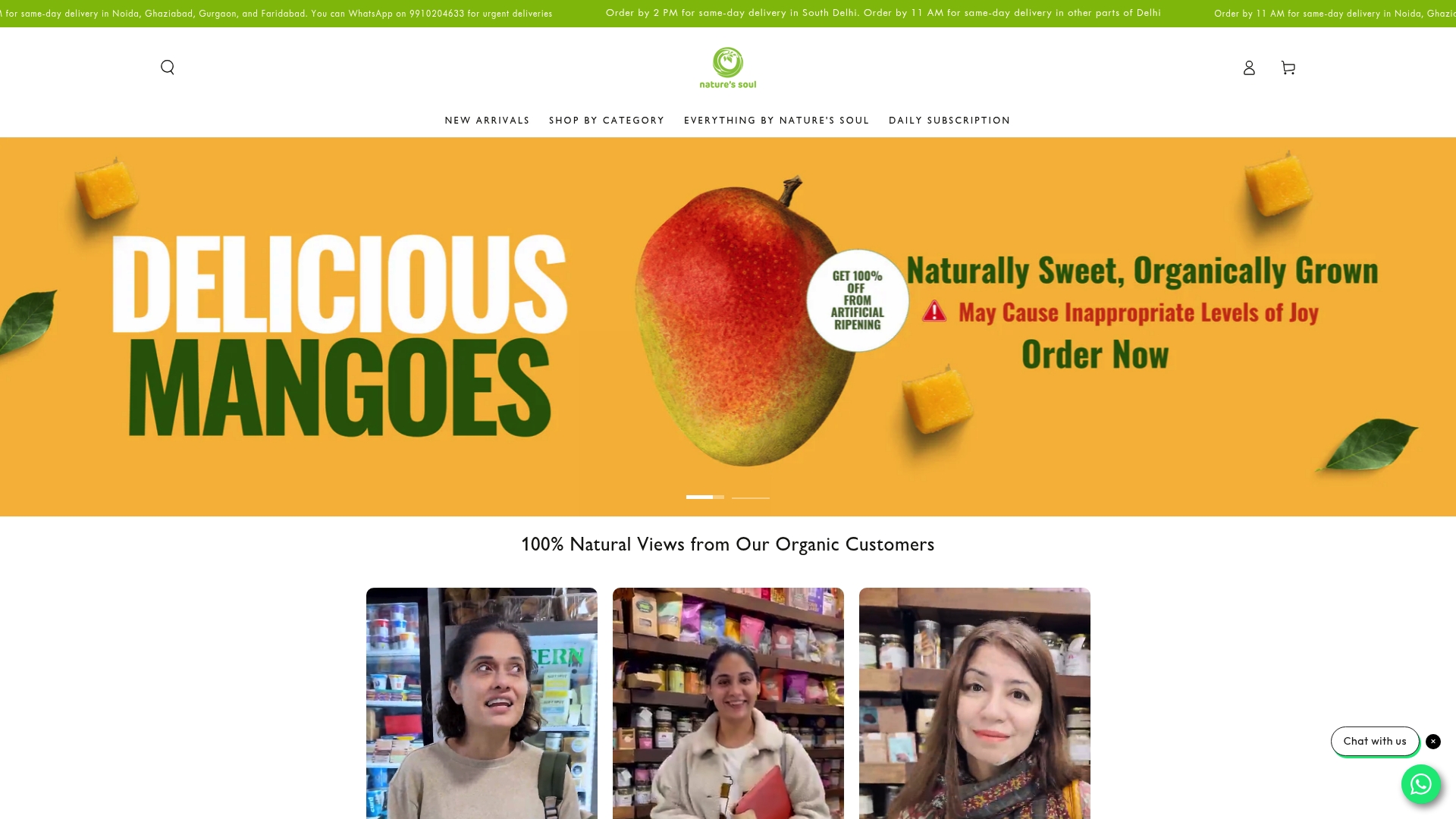
Our online store features dedicated sections for fresh produce, pantry staples, and speciality items that support diverse dietary needs across Delhi NCR households. The Nature’s Soul Fresh range delivers seasonal fruits and vegetables sourced from certified organic farms, with weekly delivery options that ensure you receive items at peak freshness. We’ve designed our health-focused product selection to include vegan alternatives, gluten-free options, and clean-label items that align with your wellness goals. Customer support specialists stand ready to answer questions about sourcing, certifications, and product suitability, helping you make informed choices that match your family’s requirements.
FAQ
What is the best way to verify if an organic product in Delhi NCR is authentic?
Check packaging for NPOP or India Organic certification logos, which indicate government-approved organic status. Request certification documents from market vendors or online retailers if you have doubts about specific products. Learning to verify organic product certification helps you spot authentic items quickly and avoid misleading marketing claims.
How can I plan meals effectively around my weekly organic grocery list?
Use meal prep techniques that focus on seasonal produce to simplify cooking and reduce food waste. Balance variety and nutrition by rotating staples weekly based on what’s freshest in your organic list. Structured approaches to meal planning with organic groceries help you create systems that save time whilst maintaining dietary quality.
Where are the best places to buy fresh organic produce in Delhi NCR?
Farmers markets like Gurgaon Organic, Chhatarpur, and Sunder Nursery Sundays offer fresh, seasonal produce with direct farmer access. Shop markets on Saturdays early for the best selection, or use weekly deliveries from services like Jaivikfood that arrive Thursdays and Sundays. Combining both channels through resources on best fresh organic produce sources creates optimal sourcing strategies.
How much should I budget weekly for organic groceries in Delhi NCR?
Budget approximately 30-40% more than conventional grocery costs, though prices vary by season and source. Farmers markets often offer better value than premium organic retail stores, whilst buying seasonal items reduces costs significantly. Focus spending on items where organic certification matters most, such as leafy greens and fruits with edible skins, whilst conventional options may suffice for produce with thick peels you discard.
Can I find organic meat and dairy products in Delhi NCR markets?
Yes, several speciality vendors and online platforms stock certified organic meat, eggs, and dairy products. Verify that animal products carry organic certification confirming livestock received organic feed and humane treatment without antibiotics or hormones. Online retailers typically offer broader selections of organic animal products compared to weekend farmers markets, which focus primarily on produce.


