


Finding genuinely pesticide-free vegetables in Delhi NCR can feel overwhelming when conventional produce often contains harmful residues exceeding safety limits. Recent studies reveal that many vegetables in local markets carry DDT and other banned pesticides well above WHO standards, putting your family’s health at risk. This comprehensive guide clarifies what pesticide-free truly means, where to source clean vegetables locally, how to grow your own using organic methods, and practical steps to protect your wellness through informed food choices in 2026.
Table of Contents
- Understanding Pesticide-Free Vegetables In Delhi NCR
- Organic Farming And Natural Methods For pesticide Control
- Where To Find Pesticide-Free Vegetables In Delhi NCR
- Growing Your Own Pesticide-Free Vegetables At Home
- Weighing The Benefits And Challenges Of Pesticide-Free Vegetables
- Discover Pesticide-Free Vegetables And Organic Groceries At Nature’s Soul Shop
- FAQ
Key takeaways
| Point | Details |
|---|---|
| Pesticide contamination risks | Delhi NCR vegetables frequently exceed maximum residue limits for harmful chemicals like DDT and monocrotophos. |
| Organic farming alternatives | Natural methods including crop rotation, neem oil, and companion planting eliminate synthetic pesticide use entirely. |
| Trusted local sources | Gurvani Naturals, Chandra Organic Farm, and Asiad Organic Market offer verified pesticide-free vegetables. |
| Home growing benefits | Native vegetables like okra and tomatoes thrive in Delhi NCR using simple organic pest control techniques. |
| Health versus cost trade-offs | Pesticide-free vegetables reduce long-term health risks but typically cost more than conventional produce. |
Understanding pesticide-free vegetables in Delhi NCR
Pesticide-free vegetables contain no synthetic chemical residues from agricultural sprays, whilst organic produce follows certified standards that prohibit such chemicals entirely. The distinction matters because many conventional vegetables sold across Delhi NCR markets contain dangerous levels of banned substances. Research shows DDT residues exceeding WHO/FAO limits persist in local vegetables despite decades-old bans, with monocrotophos and cypermethrin also appearing frequently above maximum residue limits.
These synthetic pesticides accumulate in your body over time, potentially disrupting hormones, damaging neurological function, and increasing cancer risks. Children face particularly high vulnerability because their developing systems absorb and retain these chemicals more readily than adults. The vegetables most prone to contamination in Delhi markets include leafy greens, tomatoes, capsicum, and cauliflower, which farmers often spray heavily to meet cosmetic appearance standards.
Common pesticide residues found in Delhi NCR conventional vegetables:
- DDT and its metabolites despite being banned for agricultural use since 1989
- Monocrotophos, a highly toxic organophosphate still illegally applied
- Cypermethrin and other synthetic pyrethroids used extensively on leafy vegetables
- Chlorpyrifos residues appearing in root vegetables and brassicas
The organic food safety landscape in Delhi NCR has improved as awareness grows, yet conventional produce continues dominating markets. Maximum residue limits exist to protect consumers, but enforcement remains inconsistent. You deserve transparency about what enters your body through daily meals.
“The presence of organochlorine pesticides in vegetables from Delhi markets poses serious health concerns, with several samples showing residues above acceptable international standards.”
Understanding these risks empowers you to make informed choices about sourcing truly clean vegetables for your family’s wellness.
Organic farming and natural methods for pesticide control
Organic farming eliminates synthetic pesticides entirely through time-tested natural techniques that work harmoniously with local ecosystems. Delhi NCR farmers practising organic methods rely on crop rotation to break pest cycles, natural compost to build soil immunity, and companion planting where specific plant combinations repel insects without chemicals. Marigolds planted alongside tomatoes deter aphids and whiteflies, whilst neem trees provide organic oil that disrupts pest reproduction without harming beneficial insects.
Biological pest control introduces natural predators like ladybirds to manage aphid populations, and Bacillus thuringiensis bacteria target caterpillars without affecting other organisms. These approaches require more knowledge and labour than simply spraying chemicals, but they protect soil health, water quality, and your family’s long-term wellness. The fundamentals of organic farming in Delhi NCR adapt traditional wisdom to urban and peri-urban contexts.
Effective organic pest management techniques for Delhi NCR:
- Crop rotation alternating vegetable families each season to prevent pest establishment
- Vermicompost and farmyard manure enriching soil with beneficial microorganisms
- Companion planting using marigolds, basil, and coriander as natural pest deterrents
- Neem oil sprays disrupting insect life cycles without toxic residues
- Physical barriers like netting and mulching reducing pest access to crops
| Farming Method | Soil Health Impact | Pest Control Approach | Residue Risk | Water Quality Effect |
|---|---|---|---|---|
| Organic | Improves microbial diversity | Natural predators and botanical sprays | Zero synthetic residues | Minimal contamination |
| Conventional | Degrades over time | Synthetic chemical pesticides | High residue levels | Groundwater pollution |
Pro Tip: If you’re starting organic methods at home, begin with neem oil diluted at 5ml per litre of water and spray early morning when beneficial insects are less active, protecting both your plants and the helpful bugs that naturally control pests.
These sustainable practices demonstrate that productive vegetable farming doesn’t require poisoning the environment or your food. Local farmers adopting organic methods report healthier soil, lower input costs over time, and premium prices that reward their commitment to clean food production.
Where to find pesticide-free vegetables in Delhi NCR
Sourcing genuinely pesticide-free vegetables in Delhi NCR requires knowing which farms and markets prioritise organic practices and maintain transparency about their growing methods. Gurvani Naturals operates in Gurgaon with certified organic fields, whilst Chandra Organic Farm near Faridabad supplies chemical-free vegetables directly to consumers through weekly subscription boxes. These established organic sources maintain traceability from seed to sale, often welcoming farm visits so you can verify their practices firsthand.
Asiad Organic Market in South Delhi and the weekend organic section at Green Park Market bring together multiple certified farmers, offering variety and competitive pricing. When buying from smaller uncertified farmers at these venues, ask specific questions about their pest management methods and fertiliser sources. Genuine organic growers enthusiastically explain their techniques, whilst those making false claims often provide vague or defensive responses.
Trusted pesticide-free vegetable sources in Delhi NCR:
- Gurvani Naturals (Gurgaon) offering certified organic vegetables with farm visits
- Chandra Organic Farm (Faridabad) providing weekly home delivery subscriptions
- Asiad Organic Market (South Delhi) hosting multiple certified organic vendors
- Green Park Market weekend organic section featuring seasonal local produce
- Urban hydroponic farms like Letcetra and Farmizen growing clean vegetables indoors
Hydroponic and vertical farming facilities emerging across Delhi NCR offer another pesticide-free alternative, growing vegetables in controlled environments without soil or chemical inputs. These operations typically locate near urban centres, ensuring freshness through minimal transport time. The local produce buying guide helps you evaluate different sourcing options based on your priorities.
Pro Tip: Choose seasonal vegetables from organic sources to avoid chemically forced off-season produce, as farmers sometimes use growth regulators and heavy pesticides to grow crops outside their natural cycles, increasing residue risks substantially.
Understanding what organic truly means in the Delhi NCR context helps you distinguish legitimate organic producers from those merely using the term as marketing. Certification provides assurance, but building relationships with transparent local farmers offers equal confidence in your food’s purity.
Growing your own pesticide-free vegetables at home
Cultivating pesticide-free vegetables at home gives you complete control over growing methods whilst providing fresh, chemical-free produce steps from your kitchen. Native vegetables suited to Delhi NCR’s climate include okra, tomatoes, brinjal, leafy greens like palak and methi, and herbs such as coriander and mint. These crops thrive in the region’s hot summers and mild winters when you follow organic home gardening principles adapted to local conditions.
Setting up your organic vegetable garden:
- Select a sunny location receiving at least six hours direct sunlight daily for optimal growth.
- Prepare soil by mixing equal parts garden soil, vermicompost, and cocopeat for drainage and nutrition.
- Choose native vegetable varieties proven to perform well in Delhi NCR’s temperature extremes.
- Plant companion species like marigolds around your vegetables to naturally repel common pests.
- Apply thick organic mulch to retain moisture, suppress weeds, and moderate soil temperature.
- Water deeply but infrequently to encourage strong root development and disease resistance.
- Monitor plants regularly and hand-pick any pests before populations establish.
Organic pest control at home relies on prevention through healthy soil and strategic planting rather than reactive spraying. Neem oil diluted with water and a few drops of liquid soap creates an effective spray against aphids and caterpillars without harming beneficial insects. Insecticidal soaps made from potassium salts of fatty acids suffocate soft-bodied pests whilst breaking down harmlessly within hours.
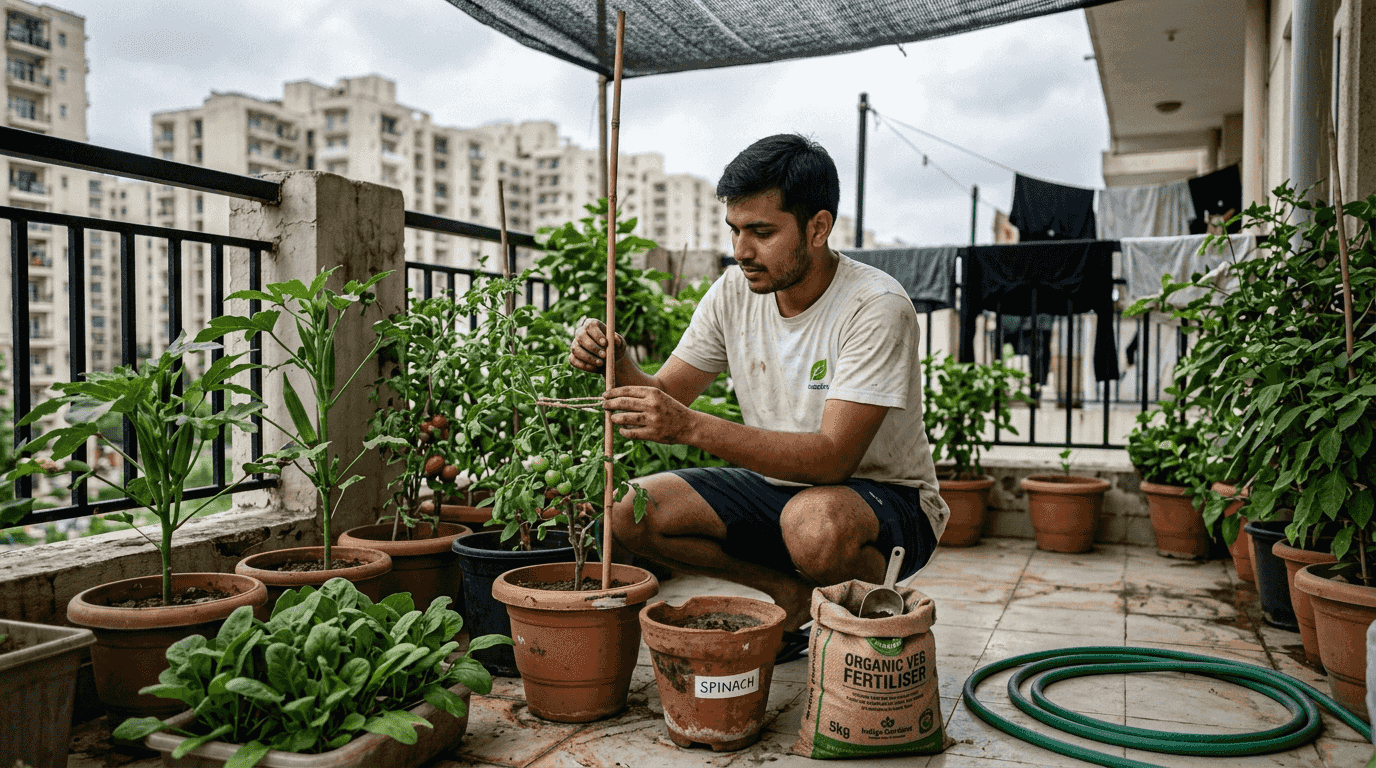
Pro Tip: Urban homes with limited space can adopt hydroponic systems or vertical gardens using wall-mounted planters, growing pesticide-free vegetables like lettuce, herbs, and cherry tomatoes in just a few square metres whilst maintaining complete control over inputs.
Crop rotation prevents pest and disease buildup by alternating plant families in each bed or container seasonally. Follow heavy feeders like tomatoes with nitrogen-fixing legumes, then root vegetables, creating a natural cycle that maintains soil fertility without synthetic fertilisers. The fundamentals of starting a natural home garden provide additional guidance for beginners building their first pesticide-free growing space.
Weighing the benefits and challenges of pesticide-free vegetables
Choosing pesticide-free vegetables involves balancing significant health and environmental advantages against practical considerations like cost and availability. Research indicates organic vegetables contain fewer pesticide residues and may reduce long-term risks of cancer, hormonal disruption, and neurological damage compared to conventional produce. Children particularly benefit from pesticide-free diets during critical developmental windows when chemical exposures can permanently affect brain function and reproductive health.
Environmentally, organic farming protects soil biodiversity, prevents groundwater contamination, and supports beneficial insect populations essential for ecosystem health. Delhi NCR’s agricultural lands suffer from decades of chemical overuse, with degraded soil requiring ever-increasing pesticide applications to maintain yields. Transitioning to organic methods reverses this cycle, rebuilding natural fertility and resilience over time.
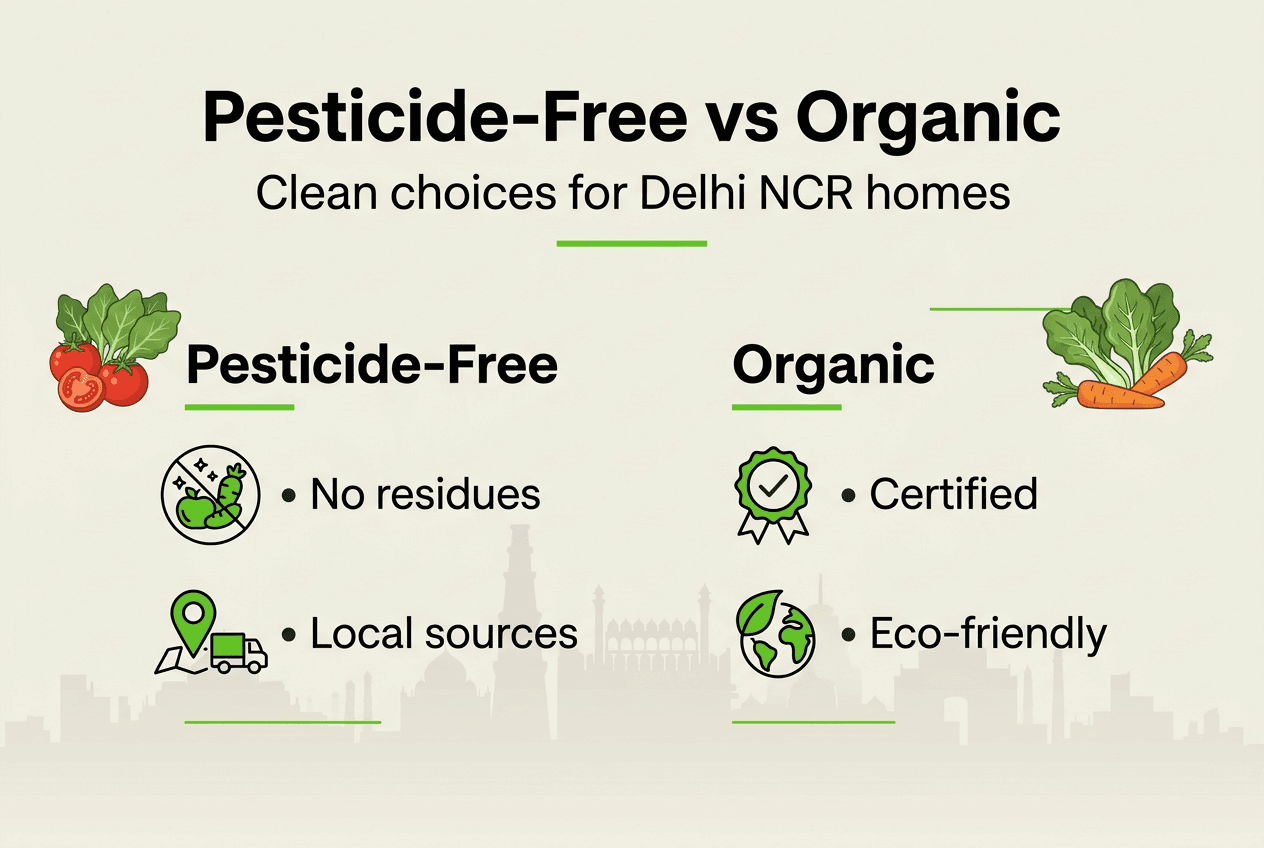
| Aspect | Pesticide-Free Vegetables | Conventional Vegetables |
|---|---|---|
| Health Impact | Minimal chemical exposure, lower long-term disease risk | Pesticide residues linked to various health concerns |
| Environmental Effect | Soil health improvement, biodiversity support | Soil degradation, water contamination |
| Cost | 30-50% premium pricing | Lower retail prices |
| Availability | Limited sources, seasonal constraints | Widely available year-round |
| Yield | Initially lower, improves with soil health | Higher short-term yields |
Key considerations when choosing pesticide-free vegetables:
- Health benefits accumulate over time through reduced chemical exposure
- Environmental protection supports sustainable food systems for future generations
- Higher costs reflect true farming expenses without externalising environmental damage
- Limited availability encourages seasonal eating aligned with natural growing cycles
- Supporting organic farmers strengthens local sustainable agriculture infrastructure
Critics note that conventional produce remains more affordable and accessible, particularly for lower-income families who cannot absorb premium pricing. Organic farming typically produces lower yields initially, though experienced practitioners often match conventional output once soil health improves. The comparison between organic and conventional farming explores these trade-offs in depth.
Your purchasing decisions influence which farming systems thrive in Delhi NCR. Every pesticide-free vegetable you buy signals demand for cleaner agriculture, encouraging more farmers to transition away from chemical dependency. This collective consumer power gradually transforms regional food systems towards sustainability and wellness.
Discover pesticide-free vegetables and organic groceries at Nature’s Soul Shop
Navigating Delhi NCR’s organic food landscape becomes effortless when you access certified pesticide-free vegetables through trusted online platforms. Nature’s Soul Shop connects you directly with verified organic farms and producers, delivering fresh chemical-free vegetables to your doorstep whilst you focus on your wellness goals. Every product meets strict quality standards ensuring the clean ingredients your family deserves.
Our fresh produce delivery service sources seasonal vegetables from organic farms practising the sustainable methods discussed throughout this guide. You’ll find everything from leafy greens to root vegetables, all grown without synthetic pesticides or harmful chemicals. We handle the verification and logistics, so you simply enjoy genuinely pesticide-free food supporting your health and the environment simultaneously.
FAQ
Are pesticide-free vegetables always organic?
Pesticide-free vegetables may not carry organic certification but still avoid synthetic chemicals during cultivation. Organic certification requires meeting comprehensive standards covering soil management, seed sources, and pest control methods beyond just pesticide avoidance. Small farmers often grow pesticide-free vegetables using organic methods without formal certification due to inspection costs. Understanding organic food definitions helps you evaluate claims accurately.
How can I verify if vegetables are genuinely pesticide-free?
Look for recognised organic certifications from India Organic or NPOP, and purchase from established farms with transparent practices. Ask sellers specific questions about pest management techniques and request farm visits if possible. Avoid off-season produce that likely required chemical forcing to grow outside natural cycles. The local produce buying guide provides detailed verification strategies for confident purchasing.
What are the easiest vegetables to grow pesticide-free at home in Delhi NCR?
Okra, tomatoes, brinjal, and leafy greens like palak thrive in Delhi NCR using simple organic methods. These native vegetables naturally resist local pests when grown in healthy soil with companion plants like marigolds nearby. Use neem oil sprays and hand-picking for pest management rather than chemicals. Following natural home gardening principles ensures success even for beginners cultivating their first pesticide-free crops.
Do pesticide-free vegetables taste different from conventional ones?
Many people report pesticide-free vegetables taste more flavourful due to slower growth in healthier soil that concentrates natural sugars and nutrients. Conventional vegetables grown with synthetic fertilisers often develop faster with higher water content, diluting taste. Seasonal organic produce picked at peak ripeness typically offers superior flavour compared to chemically forced off-season alternatives. The taste difference becomes most noticeable with tomatoes, leafy greens, and root vegetables.
Is washing conventional vegetables enough to remove pesticide residues?
Washing removes some surface pesticides but cannot eliminate systemic chemicals absorbed into plant tissues during growth. Studies show thorough washing with water and baking soda reduces residues by 50-80%, yet significant amounts remain embedded within the vegetable. Peeling helps with some produce but wastes nutrients concentrated in skins. Choosing genuinely pesticide-free vegetables remains the only way to completely avoid chemical exposure through your diet.


