


You spot a product labelled ‘certified organic’ at the supermarket and assume it’s completely pesticide-free and natural. Many health-conscious shoppers share this belief, yet the reality involves specific legal standards with precise rules about what qualifies. This guide clarifies what ‘certified organic’ truly means under regulatory frameworks, explaining certification criteria, label categories, research-backed benefits, real-world challenges, and practical strategies for making informed purchasing decisions. You’ll gain evidence-based knowledge to confidently navigate organic product choices and understand what certification genuinely guarantees for your health and values.
Table of Contents
- Key takeaways
- What certified organic means under USDA standards
- Certification requirements and labelling explained
- Health and environmental benefits backed by research
- Nuances, challenges, and making informed choices
- Explore certified organic products for healthier living
- Frequently asked questions about certified organic
Key Takeaways
| Point | Details |
|---|---|
| Legal certification | Certified organic under US federal standards means the requirements are enforceable and verified by third party inspectors. |
| Three year transition | Farms must complete a three year transition free of prohibited substances before products can be sold as certified organic. |
| Label categories explained | 100 per cent organic, organic, and made with organic indicate different levels of organic ingredients. |
| Ongoing oversight | Annual inspections and random testing ensure continued compliance beyond initial approval. |
What certified organic means under USDA standards
The term ‘certified organic’ carries legal weight in the United States. Products bearing this designation must meet strict USDA standards established through the National Organic Program (NOP), codified in federal regulations. These aren’t marketing terms or voluntary guidelines but enforceable requirements backed by government oversight.
Under USDA organic regulations, certified organic production prohibits several categories of substances and practices. Synthetic pesticides cannot be used, though some naturally derived pesticides are permitted under strict conditions. Genetically modified organisms (GMOs) are completely banned from organic systems. Antibiotics and synthetic hormones have no place in organic livestock production. Irradiation and sewage sludge are also prohibited.
Certification involves rigorous third-party verification. Farms and food handlers cannot simply declare themselves organic. They must work with USDA-accredited certifying agents who conduct thorough inspections. These agents review detailed documentation, visit facilities, and verify compliance with every applicable standard.
Every certified operation must develop and maintain an Organic System Plan (OSP). This comprehensive document describes all practices and substances used in production, detailing how the operation meets organic standards. Think of it as a roadmap showing inspectors exactly how organic integrity is maintained from soil to shelf.
Annual inspections ensure ongoing compliance. Certifiers don’t simply approve an operation once and walk away. They return yearly to verify continued adherence to standards. Random testing for prohibited substances adds another layer of accountability. This system creates continuous oversight rather than one-time approval.
Key prohibited elements under USDA organic certification:
- Synthetic pesticides and fertilisers (with specific exceptions listed on the National List)
- Genetically modified organisms and their derivatives
- Antibiotics in livestock (though animals may receive treatment and be removed from organic production)
- Synthetic hormones for growth promotion or reproduction management
- Irradiation for preservation or pest control
- Sewage sludge as fertiliser
Certification requirements and labelling explained
Earning organic certification requires patience and commitment. Farms require a 3-year transition free of prohibited substances before they can sell products as certified organic. This transition period ensures soil and systems are genuinely clean of synthetic chemicals. You cannot simply stop using pesticides today and call your harvest organic tomorrow.

Soil health forms the foundation of organic crop production. Farmers must implement practices that build and maintain soil fertility through natural means. Crop rotation prevents pest buildup and nutrient depletion. Cover crops protect soil from erosion whilst adding organic matter. Composting returns nutrients to the earth. These aren’t optional suggestions but required practices that inspectors verify.
Livestock standards extend beyond feed requirements. Animals must have year-round access to the outdoors, weather permitting. Ruminants like cattle and sheep need access to pasture during the grazing season. Living conditions must accommodate natural behaviours. Organic chickens, for instance, need space to scratch and dust bathe, not just organic feed.
Supply chain integrity matters enormously. Every handler who touches organic products needs certification. The farm that grows organic wheat must be certified. The mill that processes it into flour must be certified. The bakery that makes bread must be certified. This chain of custody prevents contamination and fraud at every step.
Label categories reflect organic ingredient percentages:
- 100% organic products contain only organically produced ingredients, excluding water and salt. These products may display the USDA organic seal.
- Organic products contain at least 95% organically produced ingredients by weight, excluding water and salt. Remaining ingredients must be approved substances. The USDA seal is permitted.
- Made with organic products contain at least 70% organic ingredients. These cannot display the USDA seal but may list up to three organic ingredients on the front panel.
- Products with less than 70% organic ingredients can only list organic items in the ingredient panel, not on the front.
USDA organic labelling rules specify exactly how these categories work. The seal itself is voluntary, though most producers use it for marketing value. Understanding these distinctions helps you assess product claims accurately and compare organic vs conventional differences effectively.
| Label type | Minimum organic content | USDA seal allowed | Front panel claims |
|---|---|---|---|
| 100% organic | 100% (excluding water/salt) | Yes | “100% organic” |
| Organic | 95% or more | Yes | “Organic” |
| Made with organic | 70-94% | No | “Made with organic [ingredient]” (up to 3) |
| Less than 70% | Below 70% | No | Ingredient panel only |
Health and environmental benefits backed by research
Pesticide exposure differences between organic and conventional foods are substantial and measurable. Research consistently demonstrates that organic foods have 70% lower pesticide residues compared to conventional products. The European Food Safety Authority found median pesticide residues in organic crops are 17 times lower than conventional alternatives. These aren’t minor differences but dramatic reductions in synthetic chemical exposure.
Nutritional advantages extend beyond pesticide reduction. Studies show organic produce often contains 10-50% higher levels of antioxidants, including polyphenols and flavonoids. The NutriNet-Santé cohort study, tracking thousands of participants, found measurable differences in nutrient density. Whilst debates continue about clinical significance, the data consistently shows organic foods deliver more protective plant compounds.
Human health impacts appear in biomarker studies. People who consume predominantly organic diets show significantly lower urinary pesticide metabolites. A University of Washington study found children eating organic diets had pesticide metabolite levels six times lower than those eating conventional foods. When families switched to organic, metabolite levels dropped within days.
Environmental benefits extend well beyond individual health. Organic farming practices support biodiversity by eliminating synthetic pesticides that harm beneficial insects, birds, and soil organisms. Soil health improves dramatically under organic management. Organic soils typically contain more organic matter, better water retention, and richer microbial communities. These factors create resilient agricultural systems that sequester carbon and resist erosion.
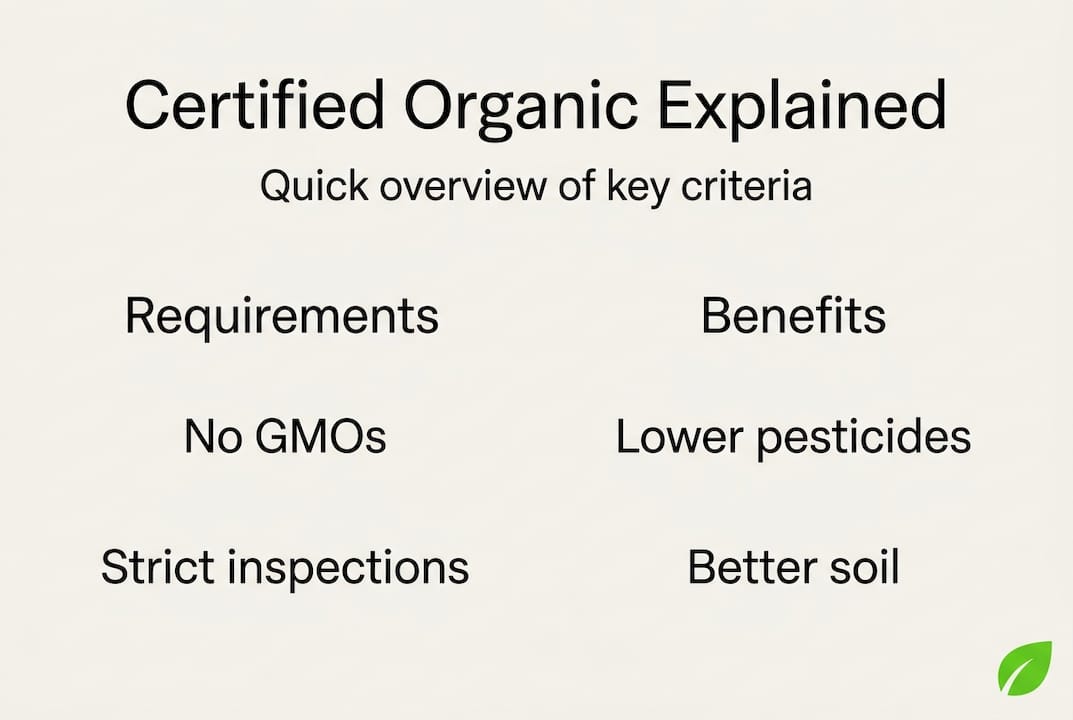
Pro Tip: Focus your organic purchases on the “Dirty Dozen” produce items that typically carry the highest pesticide residues when grown conventionally. This strategy maximises health benefits whilst managing costs, as some conventional produce carries minimal residues.
Water quality benefits matter for entire communities. Organic farms prevent synthetic pesticide and fertiliser runoff that contaminates waterways. Nitrogen pollution from conventional agriculture creates dead zones in coastal waters. Organic systems rely on natural nutrient cycling that protects aquatic ecosystems.
Key research findings on organic benefits:
- Pesticide residue levels are 70% lower with median concentrations 17 times less than conventional crops
- Antioxidant content ranges 10-50% higher in organic produce across multiple studies
- Urinary pesticide metabolites drop significantly in consumers eating organic diets
- Organic farming systems support 30% more species diversity on average
- Soil organic matter increases 15-28% under organic management practices
“For health-conscious consumers, certified organic significantly reduces pesticide exposure and supports soil health and biodiversity through farming practices that work with natural systems rather than against them.”
These documented benefits explain why many health-conscious individuals prioritise organic choices. The nutritional value of organic foods extends beyond simple nutrition facts to encompass reduced chemical exposure and environmental impact of food organic production systems create.
| Benefit category | Organic advantage | Evidence strength |
|---|---|---|
| Pesticide residues | 70% lower; median 17x less | Strong (multiple regulatory studies) |
| Antioxidants | 10-50% higher levels | Moderate (varies by crop and study) |
| Urinary metabolites | 6x lower in children | Strong (intervention studies) |
| Biodiversity | 30% more species | Strong (meta-analyses) |
| Soil organic matter | 15-28% increase | Strong (long-term field trials) |
Nuances, challenges, and making informed choices
Organic certification isn’t without controversy. Hydroponics are allowed under USDA organic standards, though this practice sparks heated debate. Traditional organic advocates argue that soil health forms the foundation of organic agriculture, making soilless production philosophically inconsistent. Yet hydroponic operations can meet all other organic requirements, earning certification despite growing in water-based systems.
Genetically modified organism contamination presents real risks. Whilst GMOs are prohibited in organic production, pollen drift from neighbouring conventional fields can introduce GMO genetics into organic crops. Wind carries pollen across property lines. Shared equipment can transfer seeds. Buffer zones and careful management reduce but cannot eliminate these risks entirely.
The National List of Allowed and Prohibited Substances creates necessary flexibility. Some synthetic substances earn approval when organic alternatives don’t exist or prove impractical. Yeast nutrients in winemaking, for instance, include synthetics because organic options cannot support fermentation reliably. These exceptions maintain organic system viability whilst preserving core principles.
Enforcement challenges and fraud persist. Import verification proves especially difficult when foreign certifiers apply inconsistent standards. Some operations exploit loopholes or falsify documentation. High-profile scandals have exposed fraudulent organic grain imports worth millions of dollars. Inconsistent certifier rigour creates quality variations even amongst legitimately certified products.
Consumers can take practical steps to verify authenticity. The Organic Integrity Database allows you to search certified operations and their certifying agents. Cross-reference product labels against this database. Research certifier reputations, as some maintain stricter standards than minimum requirements. Look beyond the seal to understand who verified organic claims.
Pro Tip: Screenshot the Organic Integrity Database entry for brands you regularly purchase. This quick reference helps you spot counterfeit products and verify certification status when shopping online or at unfamiliar retailers.
Greenwashing complicates purchasing decisions. Terms like “natural,” “pure,” or “eco-friendly” carry no regulatory meaning. Only “certified organic” indicates verified compliance with legal standards. Learning to identify organic products accurately and detect greenwashing organic products protects you from misleading marketing.
International standards vary significantly. European Union organic certification differs from USDA standards in specific requirements. Organic certification in India follows distinct protocols. Products certified under foreign systems may not meet USDA requirements unless specifically approved through equivalency agreements.
Challenges facing organic certification integrity:
- Hydroponic certification debates continue amongst organic stakeholders and traditional farmers
- GMO contamination risks exist despite prohibition, requiring buffer zones and testing
- National List exceptions allow some synthetics when organic alternatives are unavailable
- Import fraud and organic certification controversies highlight enforcement gaps
- Certifier inconsistency creates quality variations within certified products
- Greenwashing exploits consumer confusion about certification versus marketing terms
Explore certified organic products for healthier living
Now that you understand what certified organic truly means, finding trustworthy sources matters. Nature’s Soul Shop online organic store curates certified organic products across multiple categories, applying the rigorous standards we’ve discussed. You can shop with confidence knowing products meet genuine certification requirements, not just marketing claims.
Browse the health products selection for certified organic options supporting your wellness goals. From pantry staples to fresh produce, each product undergoes verification to ensure it meets organic standards. The Nature’s Soul Fresh items section offers seasonal certified organic fruits, vegetables, and other perishables delivered with quality guarantees. Shopping from specialised organic retailers eliminates guesswork about certification authenticity whilst supporting businesses committed to transparent, sustainable food systems.
Frequently asked questions about certified organic
What criteria define ‘certified organic’ foods?
Certified organic foods must meet USDA National Organic Program standards prohibiting synthetic pesticides, GMOs, antibiotics, hormones, irradiation, and sewage sludge. Third-party certifiers conduct annual inspections verifying compliance with soil health practices, livestock welfare requirements, and supply chain integrity. Farms complete a three-year transition period before earning certification.
Are all organic products free from pesticides?
Organic products are not completely pesticide-free but contain significantly lower residues. Organic farming permits certain naturally derived pesticides under strict conditions. Research shows organic foods have 70% lower pesticide residues with median levels 17 times less than conventional products. Contamination from neighbouring fields or processing equipment can introduce trace amounts.
How can I verify if a product is truly certified organic?
Search the USDA Organic Integrity Database to confirm a producer’s certification status and identify their certifying agent. Check that the USDA organic seal appears correctly on qualifying products. Research the certifying organisation’s reputation, as standards vary. Cross-reference product claims against database entries to spot potential fraud. Learning to identify organic products accurately protects against misleading claims.
What does the USDA organic seal signify?
The USDA organic seal indicates products contain at least 95% organically produced ingredients, excluding water and salt. It verifies third-party certification confirming compliance with federal organic standards. Products labelled “100% organic” may also display the seal. Items with 70-94% organic ingredients cannot use the seal but may state “made with organic” ingredients. The seal provides quick visual confirmation of certification status.
Why might hydroponic produce be certified organic?
Hydroponic systems can meet USDA organic requirements despite growing without soil. These operations use organic nutrients, avoid prohibited substances, and undergo the same certification process as soil-based farms. The practice remains controversial amongst organic advocates who view soil health as fundamental to organic agriculture. Current regulations permit hydroponics if all other standards are met, though debates continue about whether this aligns with organic principles.


