


Contrary to widespread belief, not all tap water in India is unsafe to drink. While many regions face genuine water quality challenges, significant improvements through government initiatives and accessible home treatment methods mean families can take practical steps to ensure safe drinking water. Understanding contamination sources, effective purification techniques, and reliable bottled water standards empowers you to make informed decisions protecting your family’s health in 2026.
Table of Contents
- Understanding The Challenges Of Safe Drinking Water In India
- Methods To Ensure Safe Drinking Water At Home
- Choosing Reliable Bottled And Packaged Water In India
- Government Initiatives And Community Efforts To Improve Water Safety
- Explore Natural Wellness Products For Healthier Living
Key takeaways
| Point | Details |
|---|---|
| Water safety varies by region | Quality differs significantly between urban centres, rural areas, and states across India |
| Multiple treatment options exist | Boiling, filtration, and UV purification offer proven household solutions for safer water |
| Certifications matter for bottled water | FSSAI and ISI marks help identify trustworthy packaged drinking water brands |
| Government programmes expand access | Jal Jeevan Mission and community projects are improving water infrastructure nationwide |
Understanding the challenges of safe drinking water in India
Water safety concerns in India stem from three primary contamination categories that affect millions of households differently based on location and infrastructure. Biological, chemical, and infrastructural sources compromise drinking water quality across various regions. Microbial contamination from bacteria, viruses, and parasites poses immediate health risks, particularly in areas with inadequate sewage treatment. Chemical pollutants including arsenic, fluoride, and industrial waste create long term health hazards that often go undetected without proper testing.
Regional differences create a complex landscape where water quality in metropolitan areas like Mumbai or Delhi differs vastly from smaller towns and villages. Urban centres typically benefit from centralised treatment facilities, though ageing pipes and distribution networks can reintroduce contaminants. Rural communities frequently rely on groundwater sources vulnerable to agricultural runoff and natural geological contamination. Coastal regions face additional salinity challenges whilst areas with intensive farming encounter pesticide residues in water supplies.
Infrastructure gaps remain the underlying issue connecting contamination sources to household taps. Intermittent water supply forces many families to store water in containers where bacterial growth can occur. Leaking pipes allow sewage to mix with drinking water during low pressure periods. The gap between treatment capacity and population growth means some areas receive inadequately processed water even from municipal sources.
Key contamination sources affecting Indian drinking water include:
- Untreated sewage mixing with water supplies through infrastructure failures
- Industrial effluents containing heavy metals and chemical pollutants
- Agricultural runoff introducing pesticides and fertilisers into groundwater
- Natural geological contaminants like arsenic and fluoride in certain regions
- Bacterial growth in household storage tanks and containers
Understanding these challenges helps you recognise why food labelling standards and water quality certifications matter equally for family health. The same attention to clean ingredients in organic products should extend to water safety practices. Awareness of local contamination risks enables targeted solutions rather than blanket assumptions about water quality. Just as sustainable packaging protects food integrity, proper water treatment and storage protect against health hazards.
Methods to ensure safe drinking water at home
Boiling remains the most accessible and effective method for eliminating microbial contaminants from drinking water across India. Boiling, filtration, and UV purifiers make water safe for household consumption through different mechanisms. Bringing water to a rolling boil for one minute kills bacteria, viruses, and parasites effectively, though it requires fuel costs and does not remove chemical contaminants or improve taste. This traditional method works universally regardless of electricity availability, making it reliable during power cuts common in many areas.
Water filtration systems offer varying levels of protection based on technology and price points. Activated carbon filters improve taste and remove chlorine but provide limited protection against microbes. Ceramic filters with silver coating trap bacteria whilst allowing clean water through, requiring regular cleaning to maintain effectiveness. Reverse osmosis systems remove both microbial and chemical contaminants including dissolved salts, though they waste significant water during filtration and require electricity. Gravity based filters combine multiple stages without electricity, making them practical for areas with unreliable power supply.
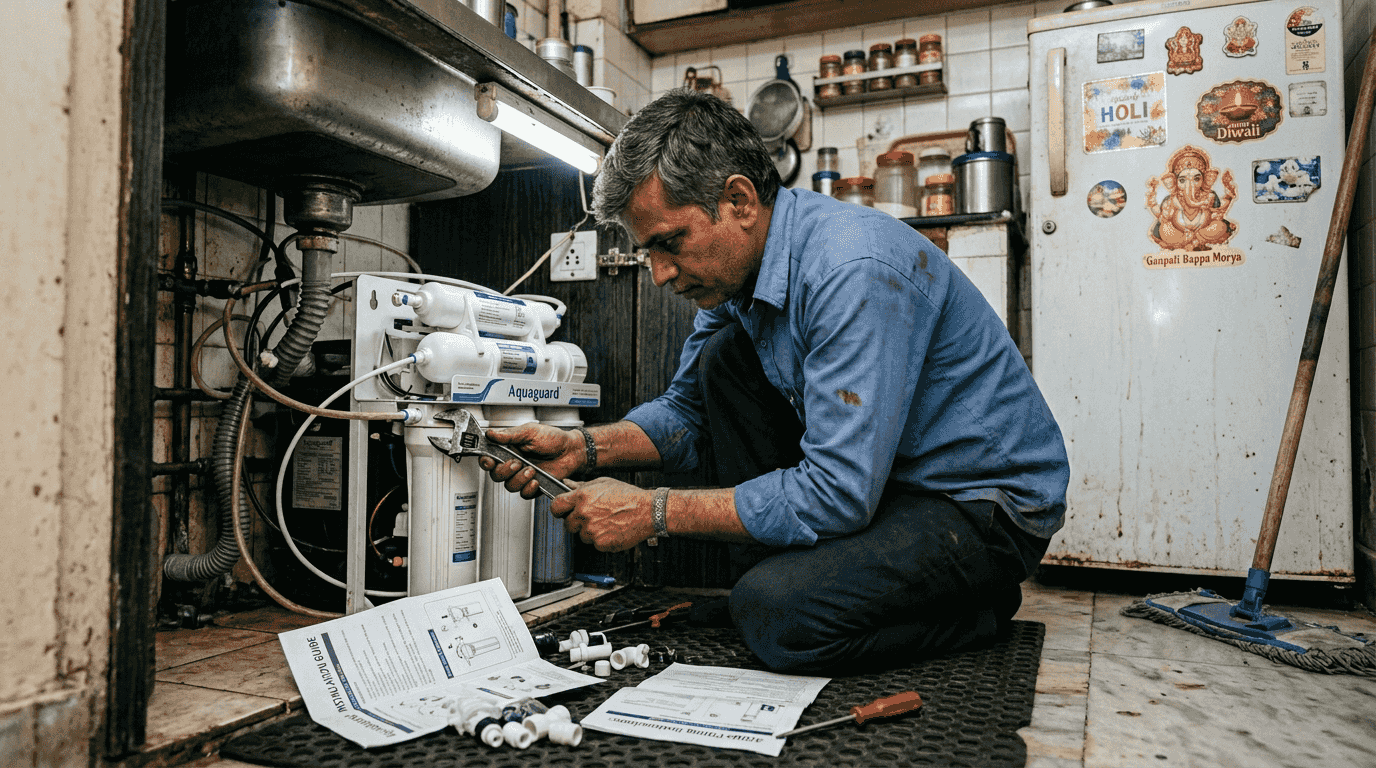
Ultraviolet purification uses UV light to destroy microorganisms’ DNA, preventing reproduction and rendering them harmless. UV purifiers work quickly without altering water taste or requiring chemical additives, though they need electricity and pre filtration to remove sediment that blocks UV penetration. These systems excel at microbial control but do not address chemical pollutants or hardness. Combining UV treatment with activated carbon filtration provides comprehensive protection against both biological and chemical contaminants.
Choosing the right method depends on your specific water source characteristics and household needs:
- Test your water to identify primary contaminants before selecting treatment
- Consider electricity reliability when choosing between electric and non electric systems
- Match filtration capacity to daily household consumption requirements
- Budget for ongoing maintenance costs including filter replacements and cleaning
- Evaluate whether chemical contaminants or microbes pose greater local risk
Pro Tip: Combine boiling with simple cloth filtration to remove visible sediment before storage, significantly reducing microbial load whilst improving water clarity and taste at minimal cost.
The connection between water safety and overall wellness mirrors the importance of natural health products in maintaining family health. Pure water forms the foundation of nutrition, affecting how your body absorbs nutrients from organic foods and processes natural supplements. Investing in reliable water treatment protects your family as effectively as choosing clean ingredient products for daily consumption.
Choosing reliable bottled and packaged water in India
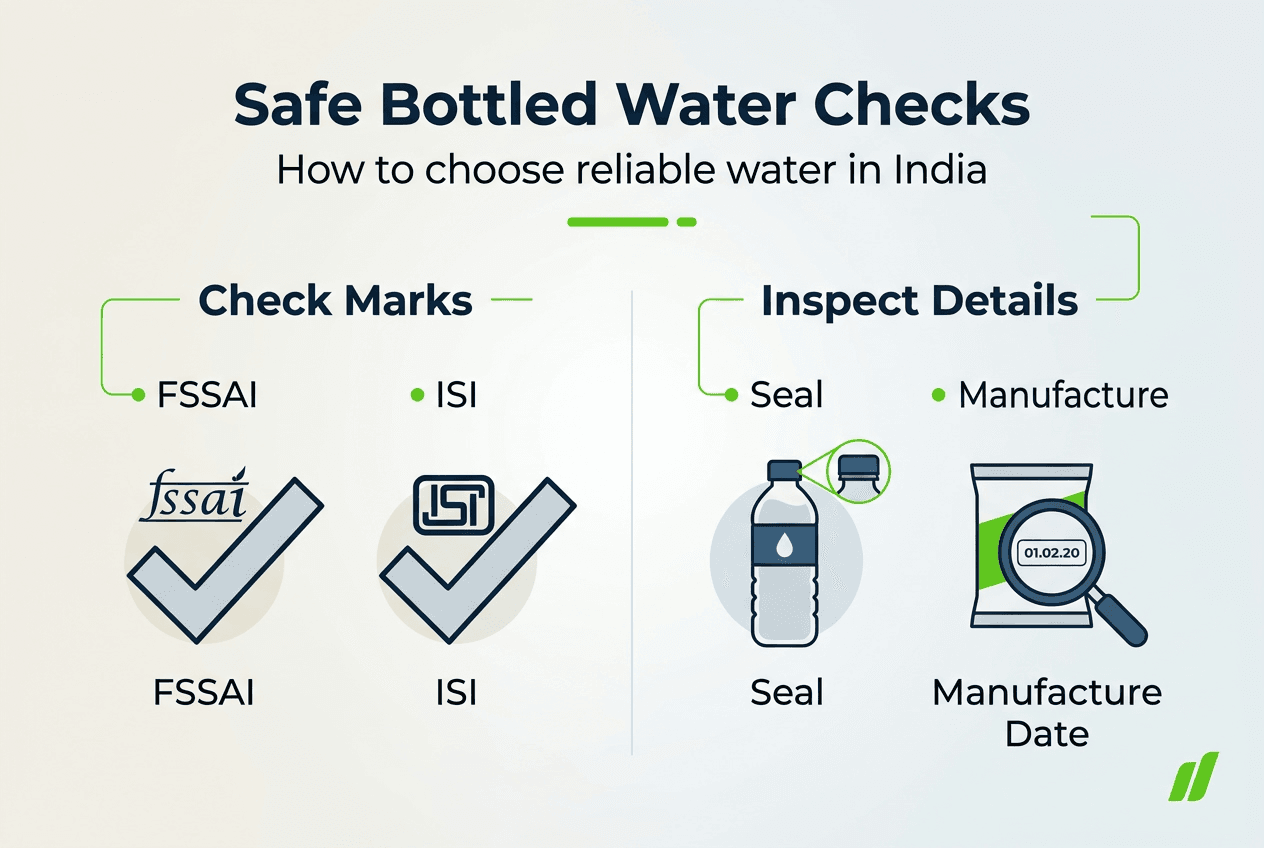
FSSAI and ISI certifications provide the primary quality assurance framework for packaged drinking water sold across India. Labelling standards and certifications identify safe bottled water through mandatory testing and compliance requirements. The FSSAI licence number on bottles indicates the manufacturer meets food safety standards, whilst ISI marks confirm adherence to Bureau of Indian Standards specifications for mineral content and purity. These certifications require regular testing for microbial contamination, chemical parameters, and physical characteristics before products reach consumers.
Packaged drinking water and mineral water represent distinct categories with different regulatory requirements and mineral content. Packaged drinking water undergoes treatment processes like reverse osmosis or distillation, then adds minerals for taste. Mineral water comes from protected underground sources with naturally occurring minerals that cannot be altered except for removing unstable elements. Natural mineral water commands premium prices due to stricter source protection requirements and consistent mineral composition.
Recognising trustworthy brands involves examining multiple factors beyond advertising claims and price points:
| Quality Factor | What to Check | Why It Matters |
|---|---|---|
| Certification marks | FSSAI licence, ISI mark clearly visible | Confirms regulatory compliance and testing |
| Manufacturing date | Recent production within past months | Ensures freshness and proper storage |
| Bottle seal integrity | Unbroken cap seal, no tampering signs | Prevents contamination after bottling |
| Source information | Protected source location disclosed | Indicates water origin and treatment type |
| TDS levels listed | Total dissolved solids between 50-150 mg/L | Balanced mineral content for taste and health |
Pro Tip: Check the bottle base for recycling codes and manufacturing details, as reputable brands provide complete traceability information including batch numbers and production facility addresses.
Transparency in packaging mirrors the importance of clear food labelling in India, where consumers deserve complete information about what they consume. Major brands like Bisleri, Kinley, and Aquafina maintain consistent quality through established distribution networks and regular testing. Regional brands sometimes offer better value whilst meeting safety standards, though verifying certifications becomes more critical. Avoid unmarked bottles or suspiciously cheap options lacking proper seals and certification marks.
Storage conditions affect bottled water quality significantly even after purchase. Keep bottles away from direct sunlight and heat sources that can leach chemicals from plastic. Consume opened bottles within 24 hours to prevent bacterial growth. Check expiry dates, as water itself does not expire but plastic degradation and potential contamination increase over time. The six month to one year shelf life marked on bottles accounts for packaging integrity rather than water spoilage.
Government initiatives and community efforts to improve water safety
The Jal Jeevan Mission launched in 2019 aims to provide functional household tap connections to every rural home by 2024, with significant progress continuing through 2026. Government and NGO initiatives increase safe drinking water access through infrastructure development and community participation programmes. This flagship scheme has connected over 140 million rural households with piped water supply, transforming water access in villages that previously relied on distant wells or contaminated sources. The mission emphasises water quality monitoring through regular testing at source and household levels.
Community water purification projects demonstrate how local action complements national programmes in addressing specific regional challenges. Women’s self help groups in states like Maharashtra and Rajasthan operate community reverse osmosis plants, providing affordable purified water whilst generating local employment. Schools and anganwadis receive priority for water quality interventions, protecting children’s health and enabling educational continuity. NGOs partner with village panchayats to install solar powered purification systems in remote areas where electricity remains unreliable.
Measurable improvements in water safety indicators show progress despite ongoing challenges:
| Programme Impact | 2020 Baseline | 2026 Progress | Remaining Gap | | — | — | — | | Rural households with tap water | 17% | 73% | 27% | | Villages with water quality testing | 45% | 82% | 18% | | Schools with safe drinking water | 62% | 91% | 9% |
State level variations reflect different implementation speeds and local challenges. Punjab and Goa achieved near universal coverage whilst states with difficult terrain or scattered populations progress more gradually. Water quality testing laboratories expanded from 12,000 to over 18,000 between 2020 and 2026, enabling faster contamination detection and response. Mobile testing units reach remote areas quarterly, identifying emerging issues before widespread health impacts occur.
Ongoing challenges include:
- Maintaining water quality in the last mile distribution network
- Ensuring consistent chlorination and treatment at source points
- Training local communities for system operation and maintenance
- Addressing groundwater depletion affecting source sustainability
- Monitoring private borewells and unregulated water sources
Community ownership proves essential for long term success, as government infrastructure requires local stewardship to remain functional. Village water and sanitation committees receive training in basic water testing, system maintenance, and hygiene promotion. This grassroots approach mirrors the philosophy behind sustainable packaging initiatives, where systemic change requires both top down policy and bottom up participation.
Explore natural wellness products for healthier living
Safe drinking water forms just one pillar of comprehensive family health, alongside nutrition from clean, organic ingredients. At Nature’s Soul Shop, we understand that true wellness requires attention to everything you consume, from the water you drink to the food you eat and products you use daily. Our commitment to organic and natural products across all categories means you can trust the same rigorous quality standards for groceries, personal care, and health supplements.
Explore our range of wellness solutions designed for health conscious families seeking natural alternatives. Our organic prostate care capsules and lipid control supplements complement your commitment to pure water with targeted nutritional support. Just as you verify water quality certifications, our products carry organic credentials ensuring clean ingredients without harmful additives. Building a foundation of safe water and natural nutrition creates lasting health benefits for your entire family.
FAQ
Does bottled water expire and is it safe to drink after the date?
Bottled water itself does not spoil, but the plastic packaging can degrade over time, potentially leaching chemicals into the water. The expiry date typically ranges from six months to one year and indicates when the manufacturer guarantees optimal quality and packaging integrity. Water stored beyond this date in cool, dark conditions usually remains safe, though taste may change slightly.
How can I test my tap water quality at home?
Home water testing kits available online and in pharmacies check common parameters like pH, hardness, chlorine, and bacterial presence through colour change strips or digital meters. For comprehensive analysis including heavy metals and specific contaminants, send samples to certified laboratories listed on your state pollution control board website. Many municipal corporations also offer free or subsidised testing services for residents.
Is it safe to drink tap water when travelling to different cities in India?
Water quality varies significantly between cities, so caution is advisable when travelling. Stick to bottled water with intact seals or boil tap water for at least one minute before drinking in unfamiliar locations. Your digestive system may react to different mineral compositions and treatment methods even when water meets safety standards. Carry a portable water purifier or purification tablets for areas where bottled water availability is uncertain.
When can I start giving my infant tap water and how should I introduce it?
Infants under six months should receive only breast milk or formula prepared with purified water, never straight tap water. After six months, you can introduce small amounts of boiled and cooled tap water alongside complementary foods. Start with water that has been boiled for one minute and cooled completely, gradually transitioning to filtered water as your child approaches one year. Consult your paediatrician about local water quality and appropriate introduction timing based on your specific municipal supply.
What is the difference between RO water and mineral water for daily consumption?
Reverse osmosis water removes nearly all dissolved minerals along with contaminants, creating very pure but mineral deficient water that some experts suggest may lack beneficial elements. Mineral water contains naturally occurring minerals like calcium and magnesium that contribute to daily nutritional intake and provide better taste. For daily consumption, RO water with remineralisation or natural mineral water offers better nutritional balance than demineralised RO water alone, though both are microbiologically safe when properly processed.
Recommended
- Food Labelling India 2026: 70% Healthier Choices Guide – naturessoulshop
- Natural Food Preservatives: Healthier Choices for 2025 – naturessoulshop
- Organic Certification in India: Your Guide to Healthy Choices – naturessoulshop
- Organic Food Safety in 2025: Guide for Delhi-NCR & Expats – naturessoulshop
- Types of baby supplements: a 2026 guide for parents | Mybestpharmacy.net | Online Pharmacy


