


TL;DR:
- Intermittent fasting cycles between periods of eating and fasting without specific food restrictions.
- It promotes fat burning through metabolic switching, supporting sustainable weight loss and overall health.
Intermittent fasting is defined as an eating pattern that cycles between set periods of fasting and eating, without prescribing specific foods. Unlike traditional calorie-counting diets, it focuses entirely on when you eat rather than what you eat. The practice triggers a process called metabolic switching, where the body shifts from burning glucose to burning fat for fuel. Recognised institutions including Harvard Health, Johns Hopkins Medicine, and the Mayo Clinic have all published guidance on intermittent fasting basics, reflecting its growing credibility as a structured approach to weight management and general wellness.
What are the main intermittent fasting schedules and how do they differ?
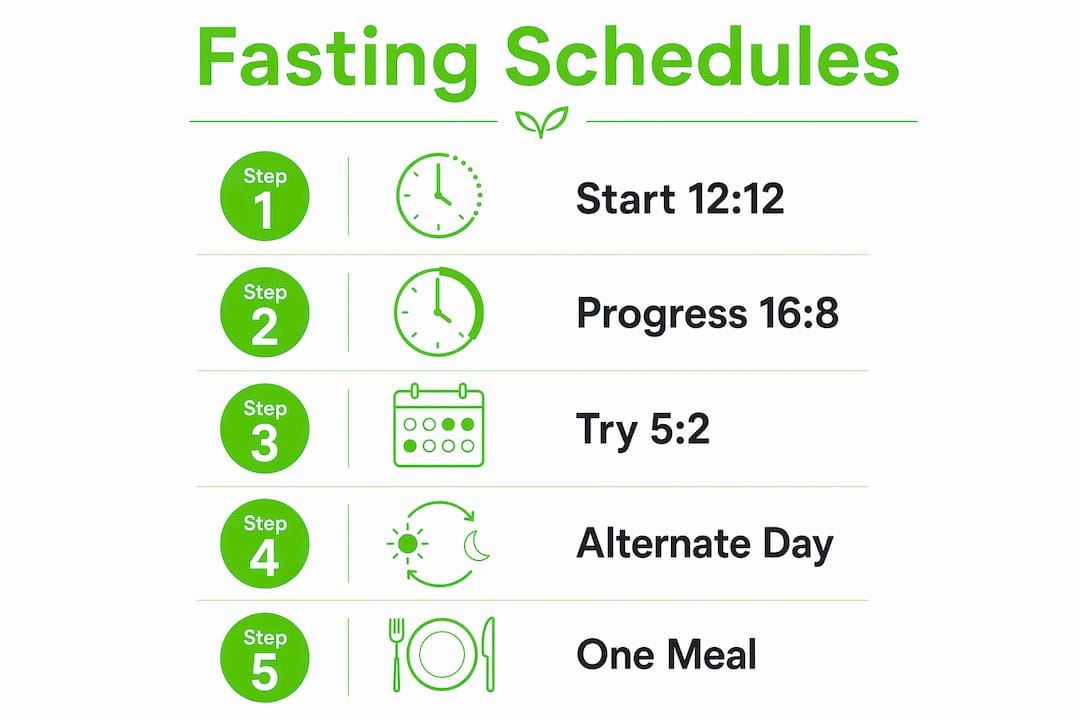
The 16:8 method is the most recommended starting point for healthy adults. You eat within an 8-hour window and fast for the remaining 16 hours. A typical example: eating between 12 noon and 8PM, then fasting overnight and through the morning.
The 5:2 method takes a different approach. You eat normally for five days of the week, then restrict calories to 400–600 calories on two non-consecutive days. That restricted intake represents roughly 25% of a normal daily total. This method suits people who prefer flexibility across the week rather than a daily fasting window.
Alternate-day fasting follows a similar calorie-restriction principle but applies it every other day. One-meal-a-day (OMAD) and multi-day fasting protocols exist at the more demanding end of the spectrum. These carry greater risk of nutrient deficiency and are not suitable for beginners.
| Schedule | Fasting window | Eating window | Calorie limit on fast days |
|---|---|---|---|
| 12:12 | 12 hours | 12 hours | None |
| 16:8 | 16 hours | 8 hours | None |
| 5:2 | 2 days per week | 5 days per week | 400–600 kcal |
| Alternate-day | Every other day | Every other day | 400–600 kcal |
| OMAD | ~23 hours | ~1 hour | None |
Progression matters. Starting at 12:12 and moving gradually to 16:8 reduces the shock to your system. Jumping straight into OMAD as a beginner is the dietary equivalent of running a marathon without training.
Pro Tip: Pick an eating window that aligns with your social life. If you regularly have dinner with family at 7PM, build your window around that. Sustainability beats perfection every time.
How does intermittent fasting affect metabolism and weight management?
Metabolic switching occurs after the body depletes its glucose stores during a fast, forcing it to burn fat and produce ketones for energy. This is the core mechanism behind the health benefits associated with fasting. Ketones are not just a fuel source. They also signal the brain and organs to reduce inflammation and improve cellular repair.

Insulin levels drop significantly during fasting periods. Lower insulin makes stored body fat more accessible for energy. This is why intermittent fasting supports weight loss even when total calorie intake stays roughly the same.
People practising intermittent fasting typically lose 0.5 to 1 pound per week. That rate is slower than crash dieting but far more sustainable. Rapid weight loss often strips muscle mass alongside fat. Slow, steady loss preserves muscle and keeps metabolism functioning well.
The body takes two to four weeks to adapt to a new fasting schedule. During that window, hunger, irritability, and low energy are common. These symptoms are temporary. People who push through the adaptation phase frequently report improved mood, sharper focus, and more consistent energy levels on the other side.
Beyond weight, intermittent fasting can improve cognitive function, heart health, and physical performance. These benefits extend well beyond the scale, making it a genuinely broad wellness tool rather than a narrow weight-loss tactic.
How to start intermittent fasting safely and sustainably
Starting well is the difference between lasting change and giving up after two weeks. Follow these steps to build a fasting practice that actually sticks.
- Consult a healthcare professional first. If you take medication, manage a chronic condition, or have a history of disordered eating, speak to your GP before changing your eating pattern.
- Begin with a 12:12 schedule. A gradual progression starting at 12:12 reduces burnout and minimises side effects. Most people already fast for 10 to 11 hours overnight without realising it.
- Hydrate consistently during fasting hours. Water, black coffee, and unsweetened tea are all permitted during a fast. They help manage hunger and support adherence without breaking the fast.
- Prioritise food quality during your eating window. Fasting does not cancel out poor nutrition. Read more about building healthy eating habits to understand what nutrient-dense meals actually look like in practice.
- Avoid overeating when the eating window opens. Breaking a fast with a large, processed meal defeats the metabolic benefit. Aim for whole foods, adequate protein, and plenty of vegetables.
- Set realistic expectations. Weight loss of 0.5 to 1 pound per week is the norm, not a failure. Consistency over months produces meaningful results.
Managing common side effects
The first two to four weeks bring predictable challenges. Knowing what to expect makes them easier to handle.
- Hunger: Drink water or herbal tea. Hunger waves typically pass within 20 minutes.
- Headaches: Often caused by dehydration or low sodium. Add a pinch of salt to water if needed.
- Irritability: Common during the adaptation phase. It eases significantly after week two.
- Low energy: Avoid intense exercise in the first week. Light walking is sufficient.
- Difficulty sleeping: Avoid eating too close to bedtime, as digestion can disrupt sleep quality.
Pro Tip: If you have a social event, a wedding, or a work lunch that falls outside your eating window, adjust for that day and return to your schedule the next morning. One flexible day does not undo weeks of progress.
Pairing fasting with mindful eating practices during your eating window sharpens awareness of hunger and fullness cues. That awareness is what prevents the common trap of eating too fast or too much when the window opens.
Who should avoid intermittent fasting?
Intermittent fasting is not suitable for everyone. Certain groups face genuine health risks from restricting eating windows, and medical supervision is non-negotiable for others.
The Mayo Clinic advises that the following groups should not practise intermittent fasting without direct medical guidance or should avoid it entirely:
- Pregnant or breastfeeding women, as calorie and nutrient demands are significantly elevated
- Children and teenagers, whose growth and development require consistent nutrition
- People with a history of eating disorders, as structured restriction can trigger relapse
- Individuals with Type 1 diabetes or those on insulin, due to hypoglycaemia risk
- People with heart conditions or electrolyte imbalances that fasting may worsen
- Those on medications that require food intake at specific times
Watch for warning signs during any fasting period. Dizziness, fainting, severe headaches, heart palpitations, or extreme anxiety are signals to stop and seek medical advice. These are not normal adaptation symptoms. They indicate the approach is not working for your body.
Personalisation is the key principle here. A 16:8 schedule that works well for a healthy 35-year-old may be entirely wrong for someone managing thyroid disease or recovering from surgery. The method must fit the individual, not the other way around.
Key takeaways
Intermittent fasting works best when you match the schedule to your lifestyle, prioritise food quality during eating windows, and allow the body a full two to four weeks to adapt before judging results.
| Point | Details |
|---|---|
| Start gradually | Begin with a 12:12 schedule before progressing to 16:8 or more advanced methods. |
| Metabolic switching drives results | The body shifts from glucose to fat-burning after glucose stores deplete during a fast. |
| Weight loss is slow and sustainable | Expect 0.5 to 1 pound per week, not rapid drops. |
| Food quality still matters | Nutrient-dense meals during eating windows determine the quality of your results. |
| Not suitable for everyone | Pregnant women, children, and those with certain conditions should avoid or seek medical advice first. |
Why I think most people approach fasting the wrong way
Most people treat intermittent fasting as a shortcut. They skip breakfast, feel virtuous, then eat whatever they like for eight hours and wonder why nothing changes after a month. That is not fasting. That is skipping meals with extra steps.
What I have found, both personally and from watching others navigate this, is that the eating window is where the real work happens. The fast itself is the easy part once you are past week two. The hard part is resisting the urge to reward yourself with processed food the moment the window opens. Food quality during eating windows profoundly affects results. That sentence deserves more attention than it typically gets.
The adaptation phase is also genuinely uncomfortable, and most guides underplay it. The irritability and hunger in weeks one and two are real. I would encourage anyone starting out to tell the people around them what they are doing. Not for accountability, but because being short-tempered with your colleagues or family without explanation is avoidable.
Flexibility is not a weakness in this context. Adjusting your window for a dinner party or a long-haul flight is not failure. Consistency and lifestyle sustainability matter far more than rigid adherence to a fixed window. The people who maintain fasting long-term are the ones who treat it as a framework, not a rulebook.
Couple fasting with moderate exercise and genuinely good food, and the results compound over months. Treat it as a standalone fix, and you will be disappointed by spring.
— Arjit
What Naturessoulshop stocks to support your eating window
Fasting only delivers its full benefit when the eating window is filled with food that actually nourishes you. Naturessoulshop stocks a wide range of organic, nutrient-dense groceries across fresh produce, dry goods, vegan and gluten-free options, and dairy, all sourced with clean ingredients.

Whether you are planning meals around a 16:8 window or managing calorie-conscious days on a 5:2 schedule, the right ingredients make adherence far easier. Naturessoulshop’s organic food range covers everything from whole grains and legumes to fresh vegetables and plant-based proteins. These are the foods that make fasting sustainable rather than punishing. Browse the full selection and build an eating window worth looking forward to.
FAQ
What is intermittent fasting in simple terms?
Intermittent fasting is an eating pattern that alternates between set fasting periods and eating windows. It focuses on when you eat, not what you eat.
What is the best intermittent fasting schedule for beginners?
The 12:12 schedule is the best starting point, progressing to 16:8 once the body adapts. Johns Hopkins Medicine identifies the 16:8 method as the most recommended option for healthy adults.
How long does it take to see results from intermittent fasting?
Most people need two to four weeks to adapt, with weight loss averaging 0.5 to 1 pound per week. Visible results typically appear after four to eight weeks of consistent practice.
Can you drink anything during a fasting period?
Water, black coffee, and unsweetened tea are all permitted during fasting hours. These calorie-free drinks help manage hunger without breaking the fast.
Who should not try intermittent fasting?
Pregnant or breastfeeding women, children, people with eating disorder histories, and those with certain chronic conditions should avoid intermittent fasting or consult a GP first, as advised by the Mayo Clinic.


