


Every family in Delhi NCR knows the struggle of keeping fridge shelves clear while sticking to healthy, organic choices. With household food waste accounting for 19% of global waste, according to the United Nations Environment Programme, the impact of your daily habits stretches far beyond mealtime. Discover fresh, actionable strategies that help you cut down waste and support a more sustainable way of living for your loved ones.
Table of Contents
- Step 1: Assess Your Current Food Usage Habits
- Step 2: Plan Weekly Meals With Organic Ingredients
- Step 3: Shop Efficiently And Store Food Properly
- Step 4: Repurpose Leftovers And Use Up Ingredients
- Step 5: Evaluate And Adjust Your Food Waste Strategy
Quick Summary
| Key Point | Explanation |
|---|---|
| 1. Conduct a Food Waste Audit | Track discarded food to identify waste patterns for effective reduction strategies. |
| 2. Plan Meals with Existing Ingredients | Use a meal plan that incorporates all types of current pantry items to avoid duplicates and waste. |
| 3. Shop Smart with Detailed Lists | Create and adhere to shopping lists based on your meal plan and pantry inventory to prevent overbuying. |
| 4. Repurpose Leftovers Creatively | Transform leftovers into new dishes, utilising all parts of ingredients to maximise usage and reduce waste. |
| 5. Monitor and Adjust Waste Strategies | Regularly evaluate food waste data to refine strategies and set measurable goals for continuous improvement. |
Step 1: Assess Your Current Food Usage Habits
Understanding your household’s food consumption patterns is the critical first step towards minimising food waste naturally. By carefully examining how you currently purchase, store, and use food, you can identify key areas where unnecessary waste occurs and develop targeted strategies for improvement.
Begin by conducting a comprehensive food waste audit over one week. Track everything you discard, including:- Spoiled produce- Expired packaged goods- Uneaten leftovers- Unused ingredients
The United Nations Environment Programme highlights that household food waste represents 19% of global food waste, making individual assessment crucial. By understanding your specific consumption patterns, you can make meaningful reductions.
Document your findings systematically. Note the types of food most frequently wasted, quantities discarded, and potential reasons for waste. This might include over-purchasing, poor storage, inadequate meal planning, or unrealistic portion sizes. The Food and Agriculture Organisation recommends shopping smartly by creating precise shopping lists and avoiding impulse purchases that lead to unnecessary waste.
Here’s a helpful summary of potential causes of household food waste and matching improvement strategies:
| Common Cause of Waste | Example | Effective Solution |
|---|---|---|
| Over-purchasing | Buying duplicate ingredients | Make precise shopping lists |
| Poor storage | Spoiled fruits or vegetables | Use proper containers/zones |
| Inadequate meal planning | Unused, forgotten ingredients | Plan weekly meals with inventory |
| Excessive portions | Leftovers discarded after meals | Adjust portion sizes, repurpose |
Professional advice: Keep a dedicated waste tracking notebook or digital spreadsheet to help you systematically monitor and reduce your household food waste.
Step 2: Plan Weekly Meals with Organic Ingredients
Planning weekly meals with organic ingredients is a strategic approach to minimising food waste and ensuring nutritious, sustainable eating. By thoughtfully selecting and preparing your meals in advance, you can reduce unnecessary purchases and maximise the use of each ingredient.
Start by creating a comprehensive meal planning strategy that considers your household’s dietary needs, schedules, and cooking abilities. Make a detailed menu that incorporates:
- Seasonal organic produce
- Flexible recipes using similar ingredients
- Meals that can be easily repurposed as leftovers
- Balanced nutritional profiles
The Academy of Nutrition and Dietetics recommends identifying ingredients already in your pantry before shopping to prevent duplicate purchases. Cross-reference your existing ingredients with your planned meals, which helps reduce waste and saves money. Consider recipes that can creatively reuse ingredients across multiple dishes, such as roasting vegetables that can be used in salads, stir-fries, or as side dishes.
When shopping, stick closely to your planned list and prioritise organic ingredients with longer shelf lives. Be flexible and open to using slightly imperfect produce, which can often be transformed into delicious meals while preventing unnecessary waste.
Professional advice: Dedicate one hour each week to meal planning and ingredient inventory to streamline your organic cooking process and minimise food waste.
Step 3: Shop Efficiently and Store Food Properly
Efficient shopping and intelligent food storage are crucial strategies for minimising waste and preserving the quality of your organic ingredients. By implementing strategic purchasing and storage techniques, you can significantly extend the life of your produce and reduce unnecessary discarding.
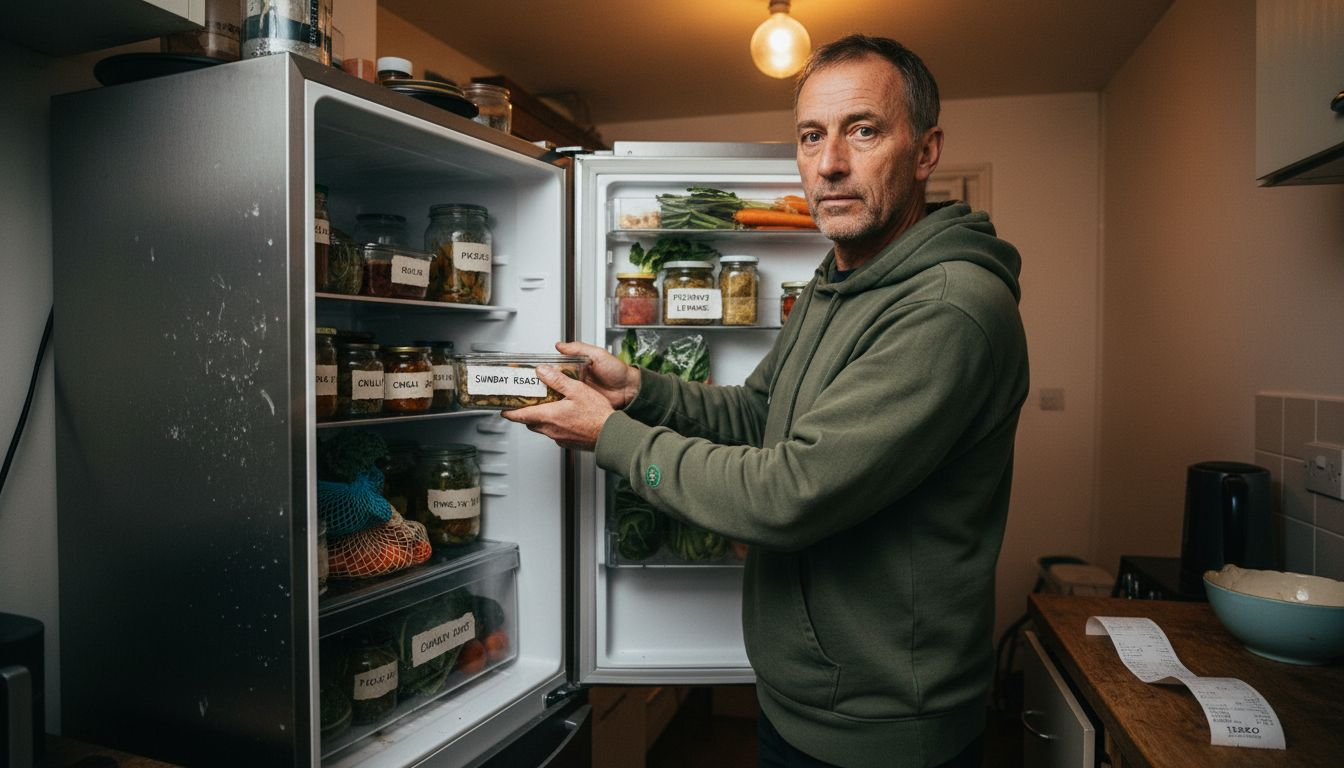
Proper food storage techniques require careful consideration of temperature, placement, and container selection. Organize your refrigerator with specific zones for different food types, paying attention to:- Dairy products in the coldest sections
For reference, here’s a comparison of food storage zones and their recommended uses:
| Storage Zone | Suitable Foods | Main Benefit |
|---|---|---|
| Fridge crisper drawers | Fresh produce | Maintains humidity/quality |
| Lower fridge shelves | Raw meats | Prevents cross-contamination |
| Coldest fridge sections | Dairy and eggs | Prolongs shelf life |
| Sealed containers | Leftovers and prepped items | Reduces spoilage and odours |
- Fruits and vegetables in dedicated crisper drawers
- Raw meats stored on lower shelves to prevent cross-contamination
- Sealed containers for leftovers and prepared ingredients
When shopping, Harvard’s Nutrition Source recommends creating detailed shopping lists that align with your meal plan and current pantry inventory. This approach prevents overbuying and ensures you purchase only what you genuinely need. Inspect produce carefully, selecting items at various ripeness stages to ensure a steady supply of fresh ingredients throughout the week.
Consider purchasing slightly imperfect or ‘ugly’ produce, which is often equally nutritious but frequently discarded. These items are typically cheaper and help reduce overall food waste. When storing, use breathable containers, regulate refrigerator temperatures, and understand each ingredient’s specific storage requirements.
Professional advice: Invest in high-quality, reusable storage containers and label them with purchase dates to track ingredient freshness and minimize potential waste.
Step 4: Repurpose Leftovers and Use Up Ingredients
Transforming leftover ingredients and meals into delicious new dishes is an art form that can dramatically reduce food waste while keeping your meals exciting and nutritious. Creative leftover strategies can help you maximise every ingredient in your kitchen.
Start by implementing a root-to-stem cooking approach. This means using entire vegetables, including stems, leaves, and often-discarded parts. For instance:- Broccoli stems can be chopped for stir-fries
- Carrot tops work brilliantly in pestos
- Beetroot leaves make excellent salad greens
- Vegetable scraps can create flavourful stocks
Harvard’s Nutrition Source recommends developing a strategic leftover management system. This involves thoughtfully storing and labelling leftovers, understanding their safe consumption window, and planning meals that can seamlessly incorporate these ingredients. Freeze extras in portioned containers, and create a dedicated ‘use-first’ section in your refrigerator for ingredients approaching their peak freshness.
Culinary creativity is key. Transform wilting vegetables into soups, stale bread into croutons, and surplus herbs into freezable flavour cubes. By viewing leftovers as opportunities rather than obligations, you’ll not only reduce waste but also discover exciting new recipe combinations.
Professional advice: Designate one evening per week as a ‘clean-out-the-fridge’ night, where you create meals exclusively from existing leftovers and near-expiry ingredients.
Step 5: Evaluate and Adjust Your Food Waste Strategy
Successfully minimising food waste requires ongoing assessment and strategic adjustments to your household practices. Systematic food waste tracking allows you to understand your consumption patterns and identify areas for meaningful improvement.
Begin by establishing a comprehensive waste monitoring system. Create a simple tracking method that documents:- Types of food discarded
- Quantities of wasted ingredients
- Reasons for waste
- Potential prevention strategies
Maintain a dedicated notebook or digital spreadsheet where you record waste patterns consistently. This data will reveal crucial insights into your food consumption habits and help you develop targeted reduction strategies. Look for recurring patterns such as:- Consistently overbuying certain ingredients
- Frequent spoilage of specific food types
- Meal preparation challenges
- Storage inefficiencies
Analyse your tracking data monthly to identify trends and implement incremental improvements. Set realistic, measurable goals for reducing waste, such as decreasing food bin contents by 25% over three months. Celebrate small victories and continuously refine your approach.
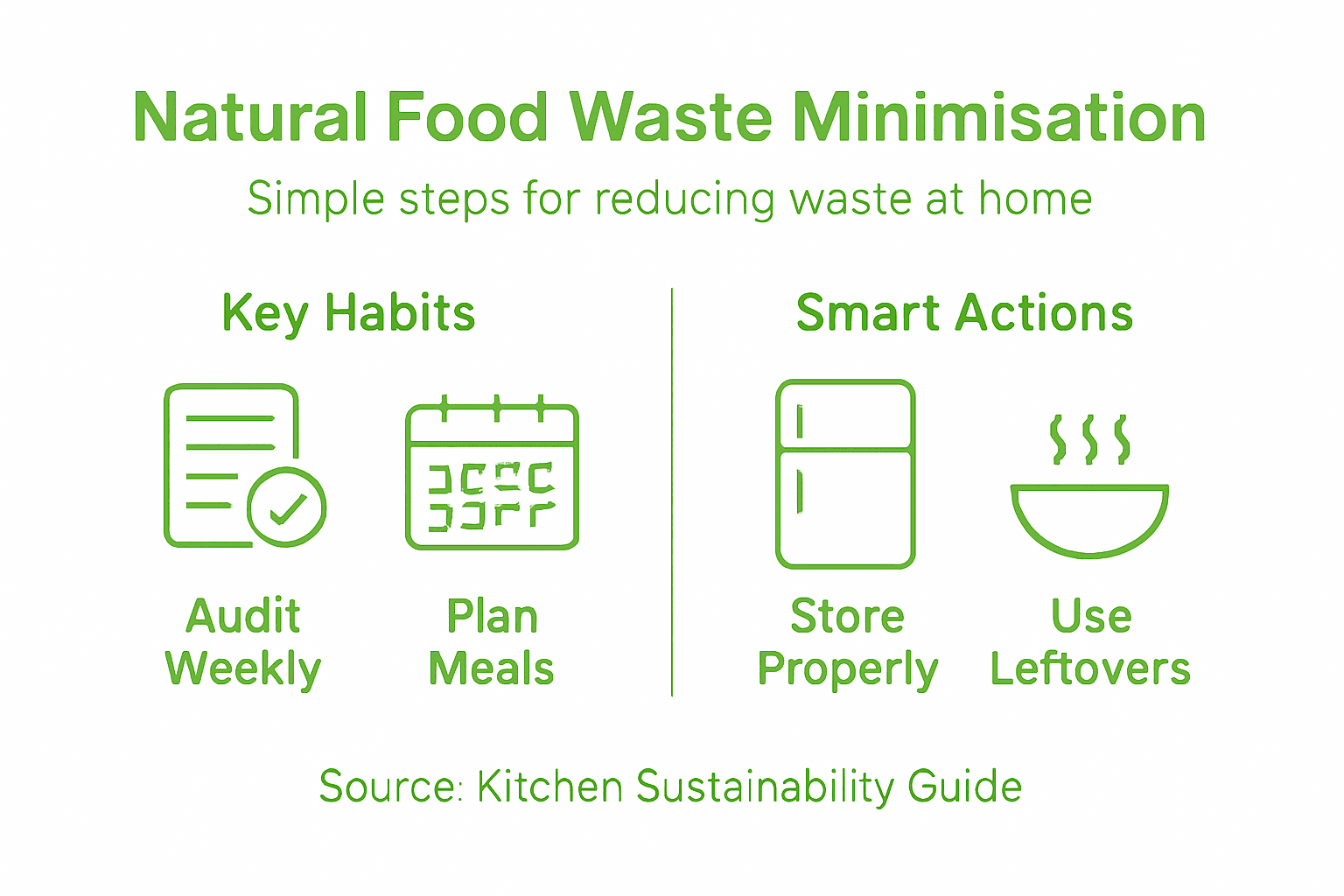
Professional advice: Review your food waste tracking data quarterly and adjust your shopping, storage, and cooking strategies accordingly to achieve progressive waste reduction.
Take Control of Food Waste with Natural, Organic Solutions
Minimising food waste naturally at home can feel challenging when juggling meal planning, efficient shopping, and proper storage. The article highlights key pain points such as over-purchasing, poor storage, and the struggle to repurpose ingredients effectively. By embracing these concepts, you can reduce waste but also enjoy healthier meals made from clean, organic ingredients.
Discover a seamless way to support your food waste reduction journey with our wide range of organic fruits, vegetables, dry groceries, and more available at Nature’s Soul Shop. Our products are carefully selected to help you buy precisely what you need and store them with confidence. Start transforming your household habits today by visiting https://naturessoulshop.com and take advantage of wholesome, sustainable choices that make reducing food waste easier and more rewarding.
Frequently Asked Questions
How can I conduct a food waste audit at home?
Start by tracking all food items you discard over a one-week period. Document the types and quantities of food wasted to identify patterns that lead to unnecessary waste.
What meal planning strategies can I use to reduce food waste?
Create a weekly meal plan that focuses on using seasonal organic ingredients and incorporates flexible recipes. Aim to cross-reference your planned meals with existing pantry items to avoid duplicate purchases.
What are the best food storage practices to minimise waste?
Organise your refrigerator into specific zones for different food types and use proper containers. This helps prolong the freshness of your produce and ensures you utilise items before they spoil.
How can I creatively repurpose leftovers to reduce waste?
Transform leftovers into new dishes by using a root-to-stem cooking approach, where all parts of vegetables are utilised. Assign one evening a week as a ‘clean-out-the-fridge’ night to make meals exclusively from leftovers.
How often should I evaluate my food waste practices?
Conduct a monthly assessment of your food waste tracking data to identify trends and areas for improvement. Set measurable reduction goals, such as decreasing food waste by 25% within three months, to motivate continuous progress.
What should I include in a food waste tracking system?
Your tracking system should document types and quantities of discarded food, along with the reasons for the waste. Regularly analyse this data to uncover waste patterns and develop effective prevention strategies.


