


TL;DR:
- Bulk buying gluten free foods in India saves money and ensures a reliable, contamination-free pantry. Proper storage, fresh sourcing, and gradual adoption help avoid waste and build confidence. Reputable online stores like Nature’s Soul Shop provide certified organic and gluten free options with nationwide delivery.
Sourcing gluten free foods in India can feel like a full-time job. You spend hours comparing labels, driving between stores, and still end up with half-empty shelves by mid-month. Bulk buying changes that entirely. When done right, it cuts your shopping trips, lowers your cost per unit, and gives you a steady supply of the clean, certified foods your body actually needs. Whether you follow a plant-based diet, manage coeliac disease, or simply want to eat without worry, this guide walks you through every step, from choosing what to buy in bulk to storing it safely at home.
Table of Contents
- Understanding bulk buying for gluten free foods
- What you need before buying in bulk
- Step-by-step: where and how to buy gluten free foods in bulk
- Storing and managing your bulk gluten free foods
- Why most people struggle with gluten free bulk buying in India
- Find your trusted gluten free bulk supplier
- Frequently asked questions
Key Takeaways
| Point | Details |
|---|---|
| Preparation is essential | Assess storage, budget, and product types before buying gluten free foods in bulk. |
| Source from trusted suppliers | Buy only from reputable stores that offer certified gluten free options and clear labelling. |
| Prioritise safe storage | Proper storage prevents spoilage and protects against cross-contamination. |
| Start small and scale up | Begin with staple items and expand as you master bulk management techniques. |
Understanding bulk buying for gluten free foods
Bulk buying simply means purchasing larger quantities of a product in a single transaction, usually at a lower per-unit price. For someone following a gluten free lifestyle, this approach is more than a money-saving trick. It is a way to build a reliable, contamination-free pantry without constantly scrambling for trusted sources.
Buying in bulk can help reduce costs and ensure a steady supply of trusted gluten free products, which matters enormously when certified options are limited in your area. The financial benefit is real, but the convenience factor is equally powerful.
Key benefits of bulk buying for gluten free consumers:
- Cost savings: Price per unit drops significantly when you buy larger packs or order wholesale quantities.
- Consistent quality: Once you find a certified, trustworthy product, buying in bulk locks in that quality rather than risking a new batch each time.
- Better inventory management: You always know what you have at home, which makes meal planning far simpler.
- Fewer shopping trips: Reduces the time spent hunting for niche products across multiple stores.
- Reduced packaging waste: Fewer individual packets means a smaller environmental footprint.
That said, bulk buying is not without its challenges. Storage space is the most obvious concern. Gluten free grains, flours, and snacks can go stale or attract pests if not stored correctly. There is also the risk of buying too much of something you end up not using, which defeats the purpose entirely.
For plant-based and organic products specifically, shelf life varies widely. Cold-pressed oils and nut butters have shorter windows than dried lentils or millet flour. Understanding these differences is what separates smart bulk buying from expensive food waste.
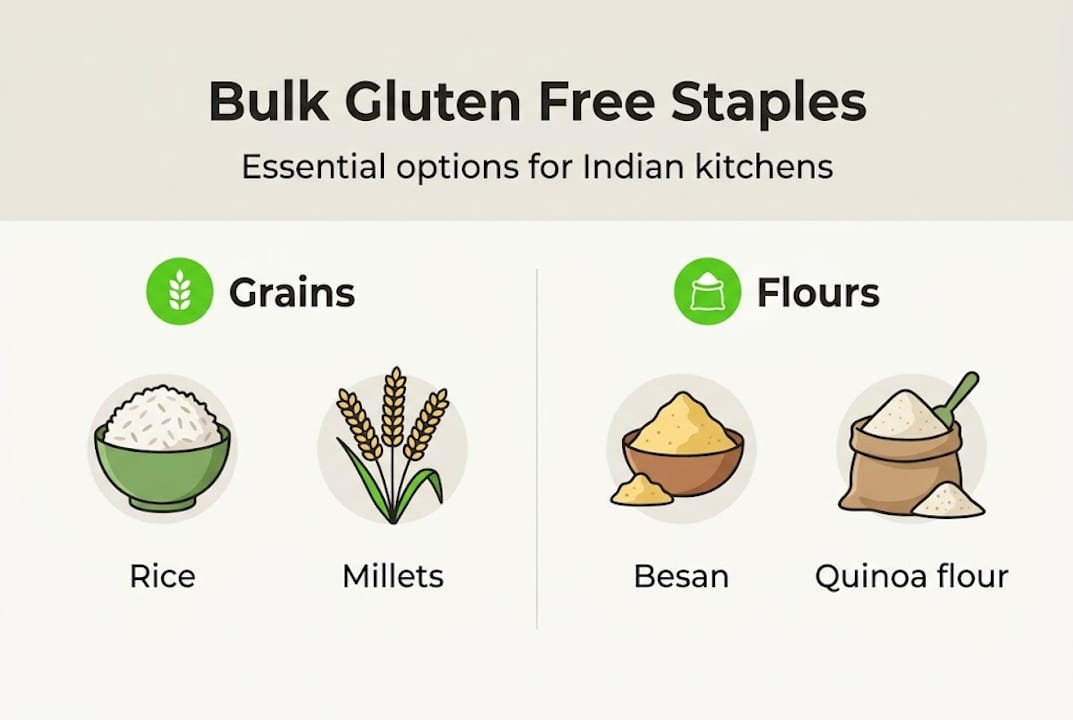
Common gluten free staples that work well in bulk include rice, jowar flour, besan (chickpea flour), certified oats, quinoa, amaranth, and a range of lentils and dals. These are everyday Indian kitchen ingredients that happen to be naturally gluten free, making them ideal candidates for your gluten free pantry staples list.
Pro Tip: Start with the foods you already cook with every week. Buying in bulk only makes sense for items you will genuinely use before they expire.
What you need before buying in bulk
Walking into a bulk purchase without preparation is how you end up with 5 kg of buckwheat flour and nowhere to put it. Before you place that first large order, ask yourself three questions: How much will I realistically use in the next three months? Do I have the storage space? And does this product have a shelf life that justifies buying in bulk?
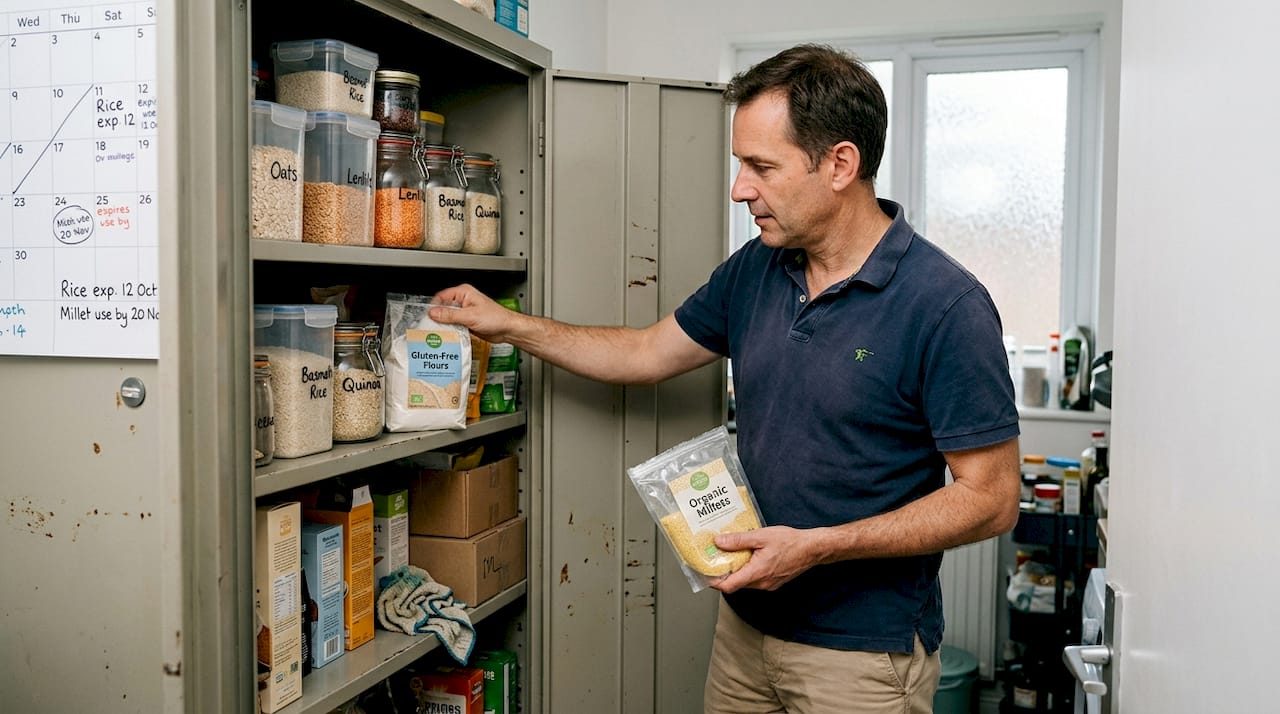
Proper storage is essential to maintain freshness and avoid contamination when buying in bulk. This means having the right containers before your order arrives, not after.
Storage essentials checklist:
- Airtight glass or food-grade BPA-free containers in multiple sizes
- Moisture-absorbing silica gel packets for dry goods
- Permanent markers and waterproof labels for dating and naming each container
- A cool, dark, dry storage area away from the stove or direct sunlight
- A simple notebook or phone app to track expiry dates and stock levels
Here is a quick reference table to guide your planning:
| Item | Recommended storage | Max duration | Usage ideas |
|---|---|---|---|
| Rice (white/brown) | Airtight container, cool and dry | 12 to 24 months | Daily meals, khichdi, pulao |
| Besan (chickpea flour) | Sealed glass jar, away from moisture | 6 to 12 months | Cheelas, pakoras, batter |
| Jowar flour | Airtight container, refrigerate if humid | 3 to 6 months | Rotis, porridge |
| Certified oats | Sealed pouch or container | 12 months | Breakfast, smoothies, baking |
| Quinoa | Airtight container, dry shelf | 2 to 3 years | Salads, pulao, breakfast bowls |
| Red lentils (masoor dal) | Airtight container | 2 to 3 years | Soups, dal, curries |
Reading labels is another skill worth sharpening. In Indian stores, look for the FSSAI certification mark alongside any gluten free claim. Organic certification from bodies like India Organic or NPOP adds another layer of assurance. Be cautious of products that say “wheat-free” but do not explicitly state “gluten free,” as barley and rye also contain gluten.
For detailed guidance on gluten free food storage and safe storage tips for families, it is worth reading up before your first large order arrives.
Pro Tip: Order a small quantity first to test freshness, taste, and packaging quality. Only scale up once you are satisfied with the product.
Step-by-step: where and how to buy gluten free foods in bulk
With your storage sorted and your shopping list ready, here is how to actually go about buying in bulk as an Indian consumer.
- Identify your core staples. Refer to a trusted gluten free foods list and cross-reference with what you cook regularly. Do not buy in bulk what you only eat occasionally.
- Research your sources. Bulk buying sources include organic shops, wholesalers, online stores, and farmer collaborations, each with different advantages depending on where you live.
- Compare prices and minimum order quantities. A lower per-unit price only matters if the minimum order suits your actual consumption.
- Check certifications. Confirm that the supplier holds valid gluten free and organic certifications, not just self-declared claims.
- Review packaging integrity. For online orders, read reviews specifically about packaging quality during transit. Damaged packaging is a contamination risk.
- Place a trial order. Start with one or two products before committing to a full bulk order from a new supplier.
- Negotiate for regulars. Once you are a repeat customer, many suppliers will offer better pricing or free delivery above a certain order value.
| Source | Price range | Min order | Delivery | Certifications |
|---|---|---|---|---|
| Specialty organic stores | Moderate to high | Low | Local only | Often certified |
| Online health platforms | Competitive | Medium | Nationwide | Varies by brand |
| Wholesale markets | Low | High | Self-collect | Rarely certified |
| Farmer co-ops | Low to moderate | Medium | Limited areas | Often organic |
Always confirm certifications and packaging integrity when ordering in bulk.
For more bulk shopping strategies tailored to Indian buyers, it helps to read up on what other gluten free shoppers in your city have found effective.
Storing and managing your bulk gluten free foods
Buying in bulk is only half the equation. What happens after the delivery arrives determines whether you save money or end up throwing half of it away.
Set up a dedicated storage zone in your kitchen or pantry, ideally away from the cooking area where heat and steam can accelerate spoilage. If you live in a humid climate, a small dehumidifier in the storage space makes a genuine difference. Improper storage increases risk of spoilage and loss of nutrients, which undermines the whole point of buying quality organic foods.
Practical storage and management tips:
- Use the FIFO method: First In, First Out. Place newer stock behind older stock so you always use what is closest to expiry first.
- Label everything clearly: Include the product name, purchase date, and best-before date on every container.
- Check stock weekly: A quick five-minute scan each week prevents forgotten items from going to waste.
- Store flours in the freezer: Gluten free flours, especially nut-based ones, stay fresher much longer when frozen.
- Keep a running inventory: A simple spreadsheet or notes app works well to track what you have and what needs restocking.
- Separate gluten free items clearly: If others in your household use gluten-containing products, keep your gluten free stock on a dedicated shelf to prevent cross-contamination.
Integrating your bulk stock with gluten free meal planning is the smartest way to ensure nothing goes to waste. When you plan your meals around what you already have, you use your stock efficiently and avoid impulse purchases that disrupt your system.
Pro Tip: Connect with local gluten free or plant-based food groups online. Sharing or swapping excess bulk items with like-minded people is a practical way to reduce waste and discover new products.
Why most people struggle with gluten free bulk buying in India
Here is something most guides will not tell you: the biggest barrier to bulk buying gluten free foods in India is not logistics. It is mindset.
Indian households have a deeply ingrained habit of buying fresh and small. The local kirana model, buying just enough for the week, feels safer and more familiar. Bulk buying feels like a gamble, especially for foods that are already unfamiliar or more expensive.
There is also a widespread misconception that Indian gluten free products are inferior to imported ones. That is simply not true. Jowar, bajra, ragi, and besan have been staples of Indian cooking for centuries. They are naturally gluten free, locally produced, and often far fresher than imported alternatives.
Outside major cities, the challenge is more logistical. Reliable certified suppliers are fewer, delivery times are longer, and quality verification is harder. This is where online platforms with nationwide reach genuinely change things.
Our honest advice: do not try to overhaul your pantry in one go. Start with two or three pantry essentials for bulk buying that you already use daily. Build confidence with those before expanding. The learning curve is real, but it flattens quickly once you have a system in place.
Find your trusted gluten free bulk supplier
Once you know what to buy and how to store it, the final piece is finding a supplier you can actually trust. That is where Nature’s Soul Shop comes in.
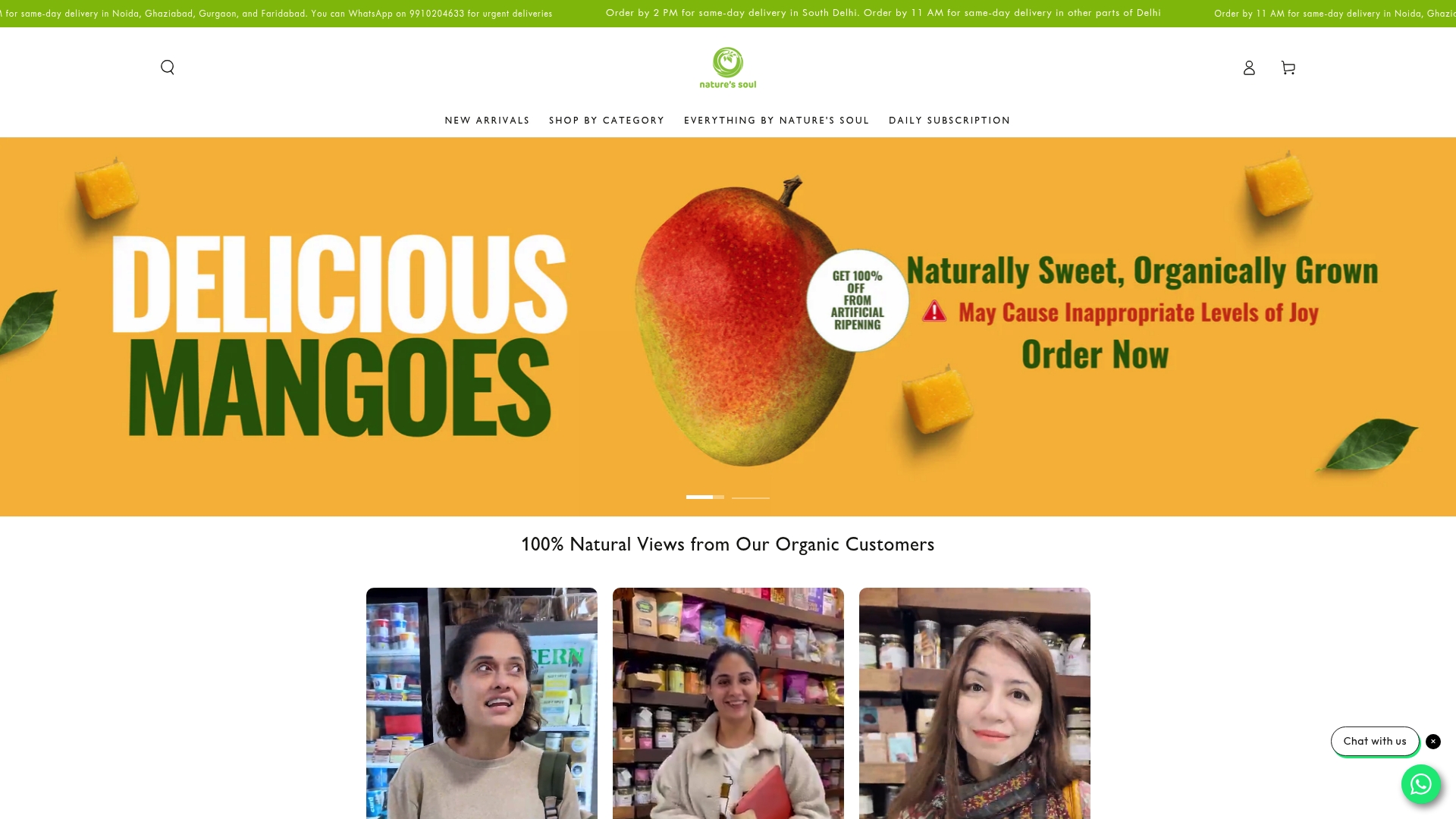
Nature’s Soul Shop brings together a wide range of certified organic and natural products, from health and organic foods to everyday gluten free staples like gluten free puffed rice. Every product is chosen for clean ingredients, verified certifications, and reliable quality. With fast nationwide delivery and a catalogue built specifically for health-conscious Indian households, it removes the guesswork from bulk buying entirely. Browse by category, check certifications at a glance, and order with confidence.
Frequently asked questions
What are the best gluten free foods to buy in bulk in India?
Look for grains like rice, millets, besan, certified gluten free staples such as oats and quinoa, and lentils, all of which have a long shelf life and daily use in Indian cooking.
How can I check if a bulk food is truly gluten free?
Always look for gluten free certification on the packaging, check for cross-contamination warnings, and buy only from reputable, verified sellers.
How can I keep bulk gluten free foods fresh for longer?
Store in airtight, labelled containers away from heat and sunlight, rotate stock using the FIFO method, and follow essential storage methods suited to each product type.
Are there online stores that deliver gluten free foods in bulk across India?
Yes, several online platforms including Nature’s Soul Shop offer nationwide delivery of bulk gluten free and organic health products, making it easier to shop safely from anywhere in India.


