


TL;DR:
- Pesticide-free vegetables in Delhi NCR are grown without synthetic chemicals and are crucial for health. Certified organic farms, farmers’ markets, and online stores provide trusted options, especially for high-residue vegetables on the Dirty Dozen list. Buying locally and verifying credible certification helps reduce pesticide exposure and supports sustainable regional farming.
Pesticide-free vegetables are fresh produce grown without synthetic chemical inputs, and finding them locally in Delhi NCR is now more urgent than ever. 75% of non-organic produce samples tested positive for pesticide residues, including multiple chemical types and PFAS “forever chemicals.” That figure means the average supermarket shelf carries measurable chemical load on most items. For health-conscious shoppers in Delhi NCR, knowing where to find pesticide free vegetables near me is not a lifestyle preference. It is a practical health decision backed by international food safety science.
1. Where to find pesticide-free vegetables near me in Delhi NCR
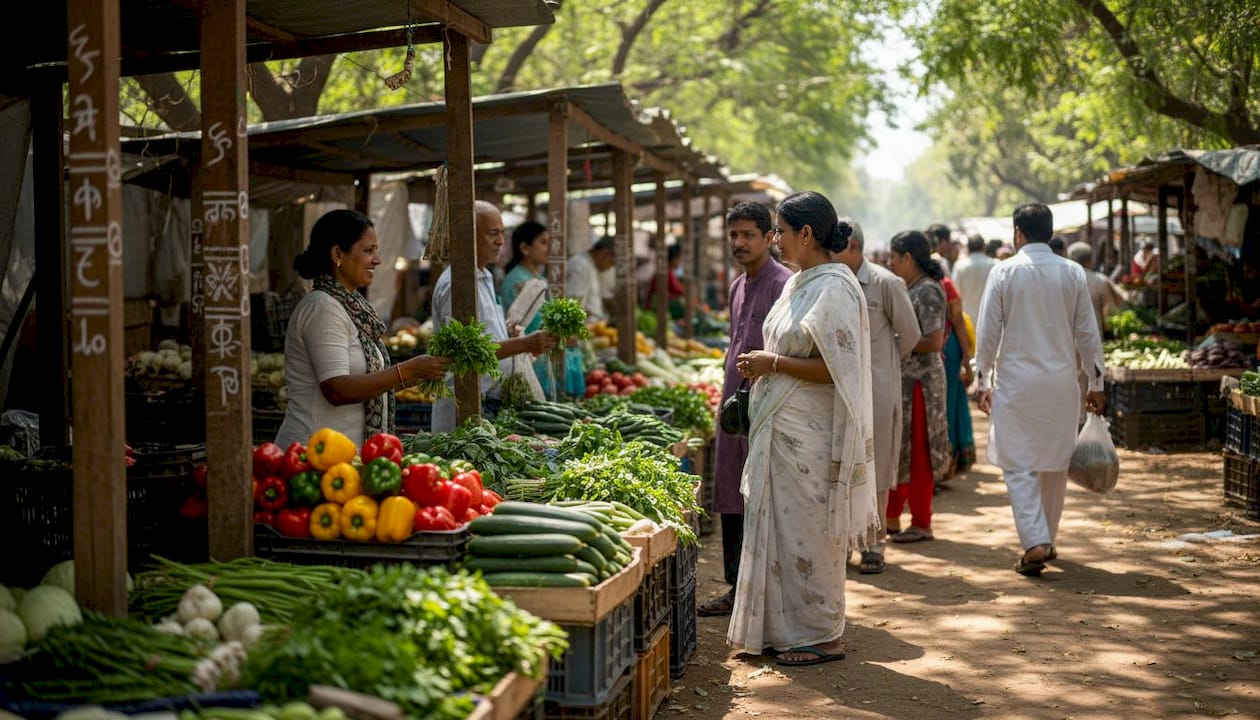
The most reliable sources of chemical free produce in Delhi NCR fall into three categories: certified organic farms with direct delivery, weekly farmers’ markets with verified vendors, and specialist online stores like Naturessoulshop.
Certified organic farms with direct delivery operate across the Delhi NCR belt, particularly in areas around Sonipat, Faridabad, and Gurugram. These farms supply produce grown under documented pesticide-free practices and often offer subscription boxes or weekly delivery. Ask any farm directly for their certification paperwork before ordering.
Weekly farmers’ markets in neighbourhoods such as Vasant Vihar, Saket, and Dwarka host vendors who grow locally and sell directly. Not every stall is certified, so ask vendors specifically whether they use synthetic pesticides. Many small growers practise natural farming without formal certification, and a direct conversation reveals more than a label.
Specialist online stores remove the guesswork entirely. Naturessoulshop sources locally grown pesticide free vegetables with transparent supply chains and delivers across Delhi NCR. The advantage here is traceability. You know the source before the produce reaches your kitchen.
Pro Tip: Ask any vendor for their farm’s name and location. A seller who cannot name their farm is unlikely to guarantee pesticide-free status.
2. The “Dirty Dozen”: vegetables to always buy pesticide-free
The Environmental Working Group’s “Dirty Dozen” is the standard reference for high-residue produce. Nearly 100% of Dirty Dozen samples tested positive for pesticide residues, including PFAS compounds that do not break down in the body. That result makes these the non-negotiable items to source organically.
The vegetable entries on the 2026 Dirty Dozen list include spinach, kale, collard greens, mustard greens, and potatoes. Spinach and kale are particularly high-risk because their broad, textured leaves trap chemical sprays. Mustard greens are a staple in North Indian cooking, which makes pesticide-free sourcing especially relevant for Delhi NCR households.
Strawberries, grapes, peaches, nectarines, cherries, apples, blackberries, pears, and blueberries complete the list on the fruit side. If you eat these regularly and cannot always source organic, thorough washing reduces surface residues. However, washing produce does not remove systemic pesticides absorbed into the flesh of the vegetable or fruit.
Pro Tip: When buying spinach or kale at a Delhi NCR market, ask whether the farm uses neem-based sprays rather than synthetic chemicals. Neem is a permitted natural input under organic standards.
3. The “Clean Fifteen”: safer conventional choices
Not every vegetable demands an organic premium. The Clean Fifteen identifies produce with the lowest pesticide residue levels, making them safer to buy conventionally when organic options are unavailable or unaffordable.
Less than 1% of samples for avocados, sweet corn, asparagus, and mushrooms showed PFAS pesticide residue in 2026 USDA data. That result means these items carry minimal chemical risk even when grown conventionally. Papayas and bananas also appear on this list, both of which are widely available and affordable across Delhi NCR markets.
For Delhi NCR shoppers, this distinction matters practically. Organic produce costs more. Prioritising your organic budget on Dirty Dozen items and accepting conventional Clean Fifteen items is the most cost-effective approach to reducing pesticide exposure. The EWG advises buying organic specifically for high-risk produce while allowing conventional choices for low-residue items.
4. How to recognise credible pesticide-free certification
Organic certification is the formal standard for pesticide-free produce. US EPA guidance defines organically grown food as produce that avoids synthetic fertilisers and pesticides, with only certain natural-source inputs permitted under strict criteria. India follows a parallel framework through the Food Safety and Standards Authority of India (FSSAI) and the National Programme for Organic Production (NPOP).
The labels and seals worth recognising in Delhi NCR include:
- NPOP certified: India’s national organic standard, governed by APEDA. Look for the “India Organic” logo on packaging.
- FSSAI organic mark: Mandatory for packaged organic food sold in India from 2022 onwards.
- PGS-India (Participatory Guarantee System): A grassroots certification scheme for small farmers. Less formal than NPOP but credible for direct farm purchases.
- Third-party lab reports: Some vendors provide recent soil or produce testing reports. These are the most transparent proof of pesticide-free status.
Common deceptive practices include using the word “natural” without any certification, displaying green packaging to imply organic status, and claiming “farm fresh” without disclosing farming methods. None of these phrases carry legal weight in India. Only NPOP, FSSAI organic marks, or verifiable third-party testing constitute genuine proof.
Pro Tip: Scan the India Organic QR code on certified packaging using your phone. It links directly to the APEDA certification database, confirming the producer’s registration.
5. Ten pesticide-free vegetables to prioritise in Delhi NCR
Choosing which vegetables to buy pesticide-free first depends on how frequently you eat them and how high their residue risk is. This list ranks by both factors for a Delhi NCR diet.
- Spinach (palak): High residue risk, eaten daily in many households. Always buy pesticide-free.
- Mustard greens (sarson): On the Dirty Dozen list and central to North Indian winter cooking. Prioritise organic.
- Kale and collard greens: Residue levels among the highest tested. Demand is growing in urban Delhi NCR.
- Potatoes: Systemic pesticides penetrate the skin. Peeling reduces but does not eliminate exposure.
- Tomatoes: Not on the Dirty Dozen but frequently sprayed in Indian commercial farming. Source locally where possible.
- Capsicum (bell peppers): Thin skin absorbs sprays readily. Organic versions are widely available in Delhi NCR.
- Brinjal (aubergine): Heavy pesticide use in conventional Indian farming makes organic sourcing worthwhile.
- Coriander and leafy herbs: High surface area means high residue accumulation. Buy from trusted vendors.
- Cauliflower: Moderate residue risk but eaten in large quantities. Worth sourcing pesticide-free when available.
- Peas: Frequently treated with post-harvest chemicals. Frozen organic peas are a practical alternative.
The complete pesticide-free guide for Delhi NCR covers seasonal availability for each of these vegetables in detail.
6. Benefits of buying local pesticide-free vegetables
Reduced pesticide exposure is the most direct benefit of choosing chemical free produce. Organic produce significantly reduces pesticide exposure, though wellness experts at Scripps Health note that consuming a wide variety of vegetables matters as much as organic status for long-term health. The practical implication: do not eat only a narrow range of organic items. Variety across the Clean Fifteen and Dirty Dozen is the stronger health strategy.
“The larger health impact comes from consuming a wide variety of fruits and vegetables, organic or not. Organic status reduces chemical exposure, but variety drives nutritional benefit.” — Scripps Health wellness experts, 2026
Local sourcing adds environmental benefits beyond personal health. Vegetables grown within 100 kilometres of Delhi NCR require less refrigeration, less packaging, and shorter transport chains. That reduces carbon emissions per kilogram of produce. Supporting local organic farmers also builds regional biodiversity, as pesticide-free farms sustain soil microbiomes and pollinator populations that intensive chemical farming destroys.
The economic argument is equally direct. Buying from local organic farms keeps money within the regional food system. It supports small and medium farmers who invest in sustainable practices, creating a feedback loop where consumer demand funds better farming. For Delhi NCR shoppers, this means the choice to buy locally grown pesticide free vegetables is simultaneously a health, environmental, and economic act.
7. How to reduce pesticide residues at home
Even with the best sourcing, some residue management at home adds a useful layer of protection. Washing is the first step. Rinse all vegetables under running water for at least 30 seconds, scrubbing firm-skinned items like potatoes and capsicum with a brush.
Soaking in a solution of water and baking soda for 12–15 minutes removes surface residues more effectively than water alone, according to food safety research. Peeling removes the outer layer where most contact residues concentrate, though it also removes fibre and nutrients. For leafy greens like spinach and kale, discard the outermost leaves and wash the remainder thoroughly.
The practical guide to avoiding pesticides covers preparation techniques in full, including which vegetables benefit most from soaking versus scrubbing. These steps complement organic sourcing rather than replace it.
Key takeaways
Buying pesticide-free vegetables in Delhi NCR requires knowing which produce carries the highest risk, where to source certified organic options locally, and how to verify claims before purchasing.
| Point | Details |
|---|---|
| Prioritise Dirty Dozen items | Always buy spinach, kale, mustard greens, and potatoes from certified pesticide-free sources. |
| Use Clean Fifteen to save money | Avocados, mushrooms, and bananas carry minimal residue risk and are safe to buy conventionally. |
| Verify certification properly | Look for India Organic (NPOP) or FSSAI organic marks; “natural” and “farm fresh” carry no legal weight. |
| Wash and prepare correctly | Soak vegetables in baking soda solution for 12–15 minutes to reduce surface residues at home. |
| Buy local for multiple gains | Local organic sourcing reduces pesticide exposure, carbon footprint, and supports Delhi NCR farmers. |
Why I think most shoppers in Delhi NCR are solving this problem backwards
Most people I speak to start by searching for organic certification labels. That is the wrong starting point. Certification tells you what a farm avoids. It does not tell you what you are actually eating most often or which items in your weekly basket carry the highest risk.
The more useful starting point is your own shopping list. Write down the five vegetables your household eats most frequently. Then cross-reference that list against the Dirty Dozen. If spinach, mustard greens, or potatoes appear, those are your immediate priorities. Everything else is secondary.
I have also found that building a direct relationship with one or two local organic farmers is worth more than any certification label. Farmers who practise natural methods are usually proud to show you their fields, their inputs, and their soil. That transparency is harder to fake than a printed logo. The benefits of local produce go well beyond nutrition. They include the trust that comes from knowing exactly where your food was grown.
The Joint FAO/WHO Meeting on Pesticide Residues assesses over 38 pesticides annually to set international safety limits. That process is rigorous, but it sets population-level thresholds, not individual risk profiles. Your personal exposure depends on what you eat, how often, and from where. That is a decision only you can manage, and it starts with knowing your own plate.
— Arjit
Naturessoulshop: pesticide-free vegetables delivered in Delhi NCR
Naturessoulshop sources certified organic and pesticide-free vegetables directly from trusted farms and delivers across Delhi NCR. Every product in the range carries transparent sourcing information, so you know the origin before it reaches your kitchen.
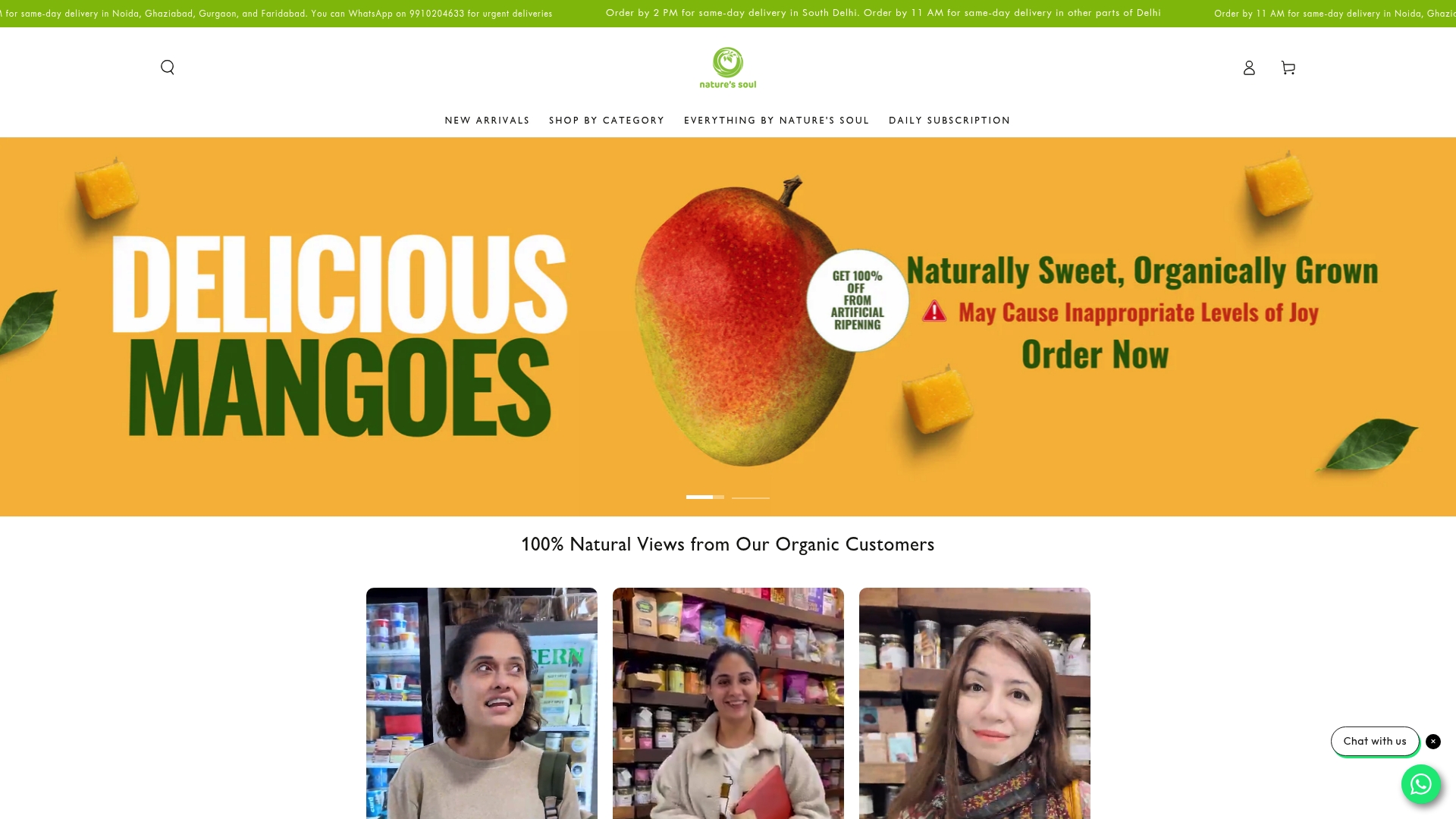
The online organic store covers fresh vegetables, fruits, dairy, dry grocery, and home care, all under clean-ingredient standards. For shoppers who want the convenience of weekly delivery without compromising on pesticide-free status, Naturessoulshop removes the need to verify every vendor individually. Browse the full range and set up a regular delivery that fits your household’s needs.
FAQ
What does pesticide-free mean for vegetables?
Pesticide-free vegetables are grown without synthetic chemical pesticides or fertilisers. Under US EPA and FSSAI organic standards, certified organic produce must avoid synthetic inputs entirely, though certain natural-source pesticides may be permitted.
Which vegetables have the most pesticide residues?
Spinach, kale, mustard greens, and potatoes carry the highest residue levels according to the EWG’s 2026 Dirty Dozen list. Nearly 100% of these samples tested positive for pesticide residues, including PFAS compounds.
Are organic vegetables in Delhi NCR worth the extra cost?
For Dirty Dozen items like spinach and potatoes, yes. For Clean Fifteen items like mushrooms and bananas, conventional produce carries minimal risk. Spending your organic budget on high-risk vegetables delivers the greatest reduction in pesticide exposure.
How can I verify a vendor’s pesticide-free claims in Delhi NCR?
Ask for India Organic (NPOP) certification, an FSSAI organic mark, or third-party lab test results. Scan the India Organic QR code on packaging to confirm registration directly in the APEDA database.
Does washing vegetables remove all pesticide residues?
Washing reduces surface residues but does not remove systemic pesticides absorbed into the flesh. EWG recommends washing produce as a complementary step alongside buying organic for high-risk items.


