


The fastest way to find health food stores in your area is a combined search: run “health food shop near me” in Google Maps, then cross-check results against the Soil Association’s organic retailer finder for certified stockists. Call ahead to confirm opening times and stock before you drive over. If nothing nearby fits, Naturessoulshop delivers organic groceries and wellness products straight to your door as a practical alternative.
TL;DR:
- Certified organic shops with the Soil Association label offer more reliable provenance than stores simply branded as “natural” or “health food.”
- Calling ahead for stock and opening hours saves time, especially when stores update products daily and may operate on limited days.
- Seasonal, local, and bulk items at independent shops often provide better value than packaged goods at supermarkets, particularly for produce and refills.
- Customer reviews are more informative when recent and detail stock consistency, staff knowledge, and correctness of sourcing rather than star ratings alone.
- When local options are too far or unavailable, online retailers like Naturessoulshop deliver certified organic products directly with same-day options in some regions.
Table of Contents
- Quick ways to find health food stores in my area
- What to expect at a local health food store
- A checklist to choose which health food store to visit
- How certified retailers and Naturessoulshop help you shop smarter
- What customer reviews actually tell you about local health food stores
- How prices compare between health food stores nearby
- Promotions, discounts, and loyalty schemes worth knowing about
- Store ambience and customer service: what actually varies
- Author perspective: shopping local for health and sustainability
- Why Naturessoulshop is the practical alternative when local shops fall short
- Sources
Quick ways to find health food stores in my area
Map searches are the obvious starting point, but the wording matters. “Organic shop near me” pulls different results to “wholefood store” or “natural grocer,” so run two or three variations before settling on a shortlist. Local farm markets often don’t show up under “health food store” at all. They list themselves as farm stands or growers’ markets, and they’re worth searching separately.
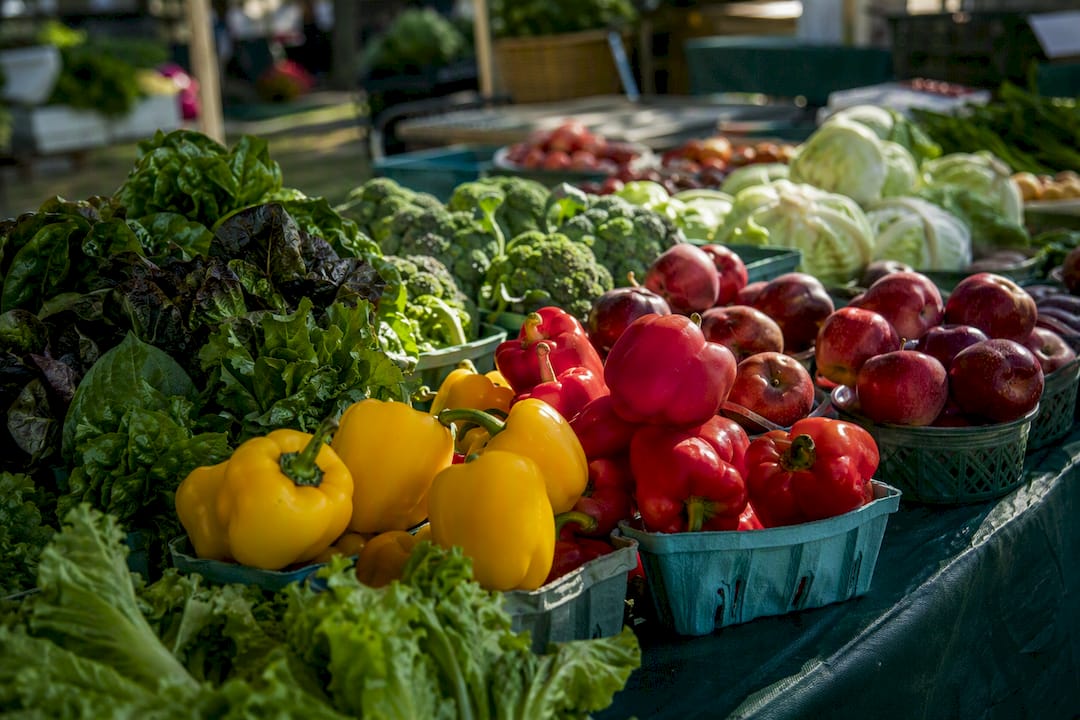
The Soil Association’s retailer finder narrows the field to shops that actually carry certified organic stock, rather than ones simply labelled “natural.” That distinction matters more than most shoppers realise. A store can call itself a health food shop without a single certified product on the shelf.
Once you’ve got a shortlist, a few checks save wasted trips:
- Search “[shop name] opening times” or check their Google Business listing directly.
- Look for a phone number on their website and call to confirm stock of anything specific you need.
- Check whether they take special orders for items they don’t normally stock.
- If a farm market or farm store appears in your search, note its open days. Many operate only two or three days a week.
Pro Tip: Call before a special trip, not after you’ve driven there. Independent shops change stock daily, and a five-minute call beats a wasted journey every time.
If your nearest genuine option is a 40-minute drive, online ordering with local delivery is often the more sensible choice than treating a rare visit as your main supply run.
What to expect at a local health food store
Walk into most independent health food shops and you’ll find a fairly consistent layout: seasonal produce near the entrance, certified organic groceries on the central aisles, and a supplements wall somewhere towards the back. Vegan and gluten-free sections have grown substantially over the past decade, and bulk refill stations for grains, pulses, and cleaning products are now common in larger stores.
Typical categories include:
- Fresh seasonal fruit and vegetables, often from named local growers
- Certified organic dry groceries, oils, and pantry staples
- Vitamins, supplements, and natural remedies
- Natural personal care and home cleaning products
- Vegan, gluten-free, and free-from sections
- Bulk refill bins and, in bigger shops, a deli or prepared-food counter
Services vary more than products do. Some shops take special orders for suppliers’ full ranges rather than just what’s on the shelf. Others run in-store cafés, or offer click and collect for online orders. Farm markets and dedicated farm stores tend to specialise further, often selling meat and dairy from animals raised without routine antibiotics alongside seasonal, GMO-free produce.
The clearest quality signal is certification. A Soil Association organic label or a clearly stated provenance (“grown by [named farm]”) tells you more than a shop’s general “natural” branding ever will. Watch how quickly produce turns over, too. Wilting stock or dusty tinned goods usually mean low footfall, not just an off day. For a deeper look at what those labels actually guarantee, our guide on identifying organic products breaks down the marks worth trusting.
A checklist to choose which health food store to visit
Not every trip needs the same criteria. An urgent milk-and-bread run doesn’t warrant the same scrutiny as sourcing seasonal produce for a big batch of preserving. Work through this shortlist and weight it to the errand:
- Proximity and parking. If it’s a five-minute stop, distance often trumps everything else.
- Opening hours. Confirm these online or by phone. Independent shops keep unpredictable hours compared with chains.
- Product fit. Does the shop actually stock what you need, or just a generic “health food” range?
- Certification and provenance. Look for a Soil Association mark or a named supplier on the label.
- Freshness and turnover. Busy shelves usually mean faster stock rotation.
- Price versus value. Compare unit price on staples you buy often, not just the headline items.
- Delivery or click and collect. Useful when you can’t make the drive that week.
- Customer service. Staff who know their supply chain are usually a good sign of a well-run shop.
For seasonal sourcing, weight certification and provenance heavily. For a quick top-up, proximity and hours matter more than anything else.
Pro Tip: If a shop can’t tell you where a product came from, or has no visible certification, no contact number, and no clear labelling, treat that as a red flag rather than a minor gap.
How certified retailers and Naturessoulshop help you shop smarter
Independent, certified organic retailers exist for a reason mainstream supermarkets don’t always serve: they stock certified organic products supermarkets often don’t carry, and support local producers directly, which cuts food miles in the process. That’s not a marketing line. It’s a structural difference in how these shops source stock.
Naturessoulshop applies the same sourcing standard to its own online range: organic fruit and vegetables, dairy, vegan and gluten-free groceries, and skincare with clean ingredients, all vetted before listing.
Practical steps that work whether you’re shopping in-store or online:
- Ask staff directly which suppliers they use for produce and dairy.
- Request seasonal availability lists if a shop keeps one.
- Compare provenance statements between two shops before deciding where to buy.
- Use click and collect where it’s offered, to save a wasted trip if stock runs low.
If you’re building a wider picture of sourcing before you shop, our guide on finding local produce walks through the same logic in more depth.
What customer reviews actually tell you about local health food stores
Star ratings on Google or Yelp are a starting point, not a verdict. A shop sitting at 4.6 stars with 40 reviews tells you less than one at 4.3 with 400, because sample size changes how much noise sits in that average. Read the actual text of recent reviews, not just the number.
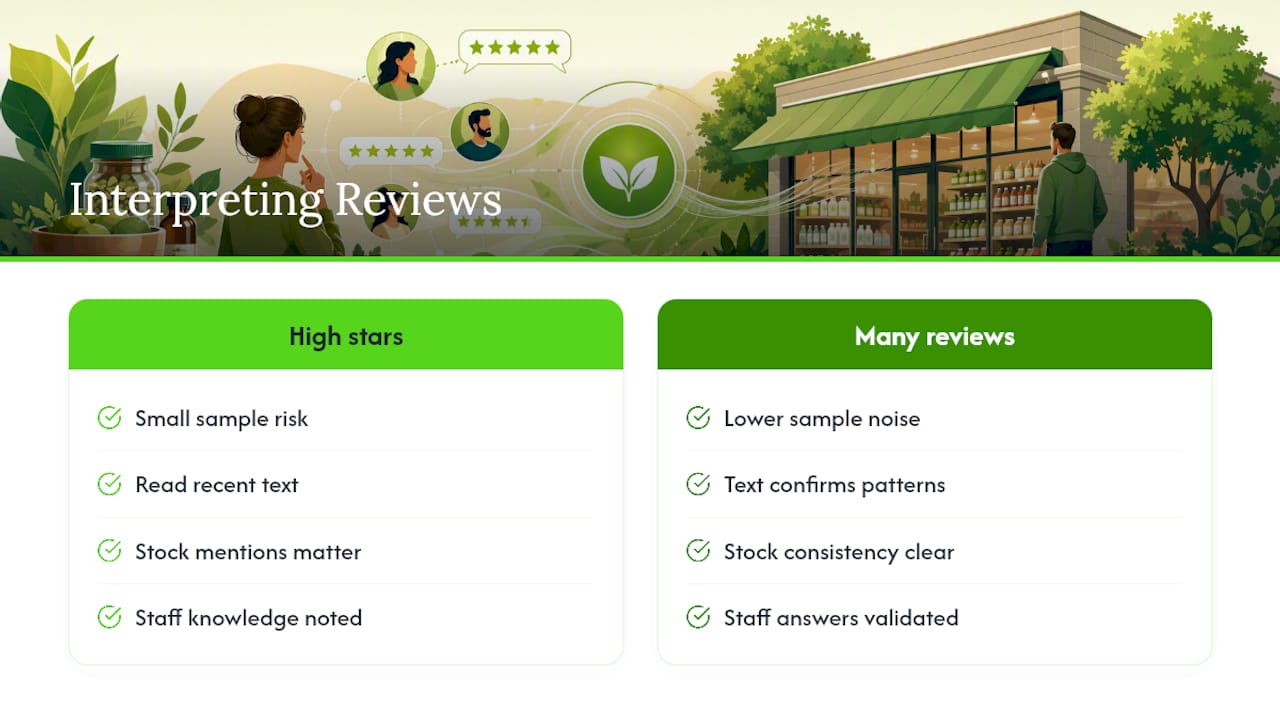
Look specifically for mentions of stock consistency, staff knowledge, and whether special orders were honoured. A cluster of reviews complaining about “never has what I need in stock” is a bigger warning sign than one bad rating about a parking dispute. Reviews mentioning fresh produce turning quickly, or staff correctly answering questions about allergens and sourcing, are far more useful than generic five-star praise with no detail.
Recency matters more than volume. A shop with excellent reviews from three years ago and nothing recent may have changed ownership, staff, or supplier relationships since. Filter for reviews from the last six months where the platform allows it. Photos attached to reviews are worth a glance too. They often show shelf stock and freshness more honestly than a written description does.
How prices compare between health food stores nearby
Independent health food shops generally sit above supermarket prices on packaged organic goods, but the gap narrows or reverses on fresh, local, and bulk items. A supermarket’s own-brand organic range often undercuts a specialist shop on branded jars and tins, simply through buying power. Compare that against our supermarket organic comparison if price is your main driver on packaged goods.
Where independents usually win on value is fresh, seasonal, and bulk-bought stock. Buying grains, pulses, or nuts from a refill station typically costs less per gram than pre-packaged supermarket equivalents, because you’re not paying for packaging. Farm markets selling direct from growers often beat both supermarkets and specialist shops on seasonal produce, since there’s no middle distributor taking a margin.
Supplements and personal care products show the widest price spread of any category. The same probiotic or magnesium supplement can vary considerably between an independent shop, a supermarket pharmacy aisle, and an online retailer, so it’s worth checking unit price and dosage strength side by side rather than comparing sticker price alone. Price shouldn’t be the only lens, though. A slightly higher price for a shop that can tell you exactly which farm your carrots came from is often the better trade.
Promotions, discounts, and loyalty schemes worth knowing about
Independent health food shops rarely run the aggressive discounting you’ll see at big supermarket chains, but most have some form of loyalty reward. Stamp cards, punch cards for regular purchases, or simple “buy nine, get the tenth free” schemes on coffee, tea, or bulk items are common in smaller shops.
Seasonal promotions tend to track produce cycles rather than calendar sales events. Expect discounts around gluts of a particular fruit or vegetable, end-of-season clearance on preserving stock, or bundled offers around festive periods when gift boxes and hampers move faster. Ask staff directly whether a loyalty scheme exists. Many small shops run informal versions that aren’t advertised on signage or their website at all.
Online health food retailers, Naturessoulshop included, tend to formalise this further with sitewide seasonal offers and bundled product sets, which can work out cheaper than assembling the same basket in-store piece by piece. Comparing a hamper price against buying each item separately locally is worth doing before you assume the shop-bought option is cheaper.
Store ambience and customer service: what actually varies
Ambience is where independent shops distinguish themselves most clearly from supermarket organic aisles. Smaller footprint, visible staff, and produce that’s often still being unpacked as you browse create a noticeably different shopping pace. Some shoppers find that slower rhythm reassuring. Others find a cramped, poorly lit shop offputting regardless of how good the stock is.

Staff knowledge is the biggest variable in service quality, and it’s also the easiest thing to test on a first visit. Ask a specific question, where does the spinach come from this week, does the shop stock a particular gluten-free flour, and gauge the answer. A confident, specific response usually signals a well-run operation. A vague “I think so, check the shelf” suggests otherwise.
Cleanliness and stock handling matter more in health food shops than general grocers, given the volume of loose, bulk, and fresh produce typically on offer. Sticky refill bins or produce sitting too long under warm lighting are worth noting on a first visit. They’re a reasonable proxy for how the whole operation is run.
Author perspective: shopping local for health and sustainability
Buying locally isn’t just a feel-good habit. It measurably cuts the transport emissions tied to long-distance food supply chains and tends to put money directly into regenerative farming practices rather than distribution middlemen.
I remember a farm stand near me that only sold whatever had ripened that week, no more, no less. One visit meant unexpectedly good greengages and a supplier who told me exactly which orchard they’d come from. That kind of specificity is something no supermarket aisle offers. If you want to build that habit properly, our guide on finding local produce is the right next step.
— Arjit
Why Naturessoulshop is the practical alternative when local shops fall short
When the nearest genuinely well-stocked health food shop is a 40-minute round trip, Naturessoulshop closes that gap without the drive by embracing local sourcing benefits and challenges to provide fresh, organic products efficiently. It carries the same core categories a good local shop would, organic fruit and vegetables, vegan and gluten-free groceries, supplements, dairy, and clean-ingredient skincare, sourced and listed with the same provenance standard covered earlier in this guide.
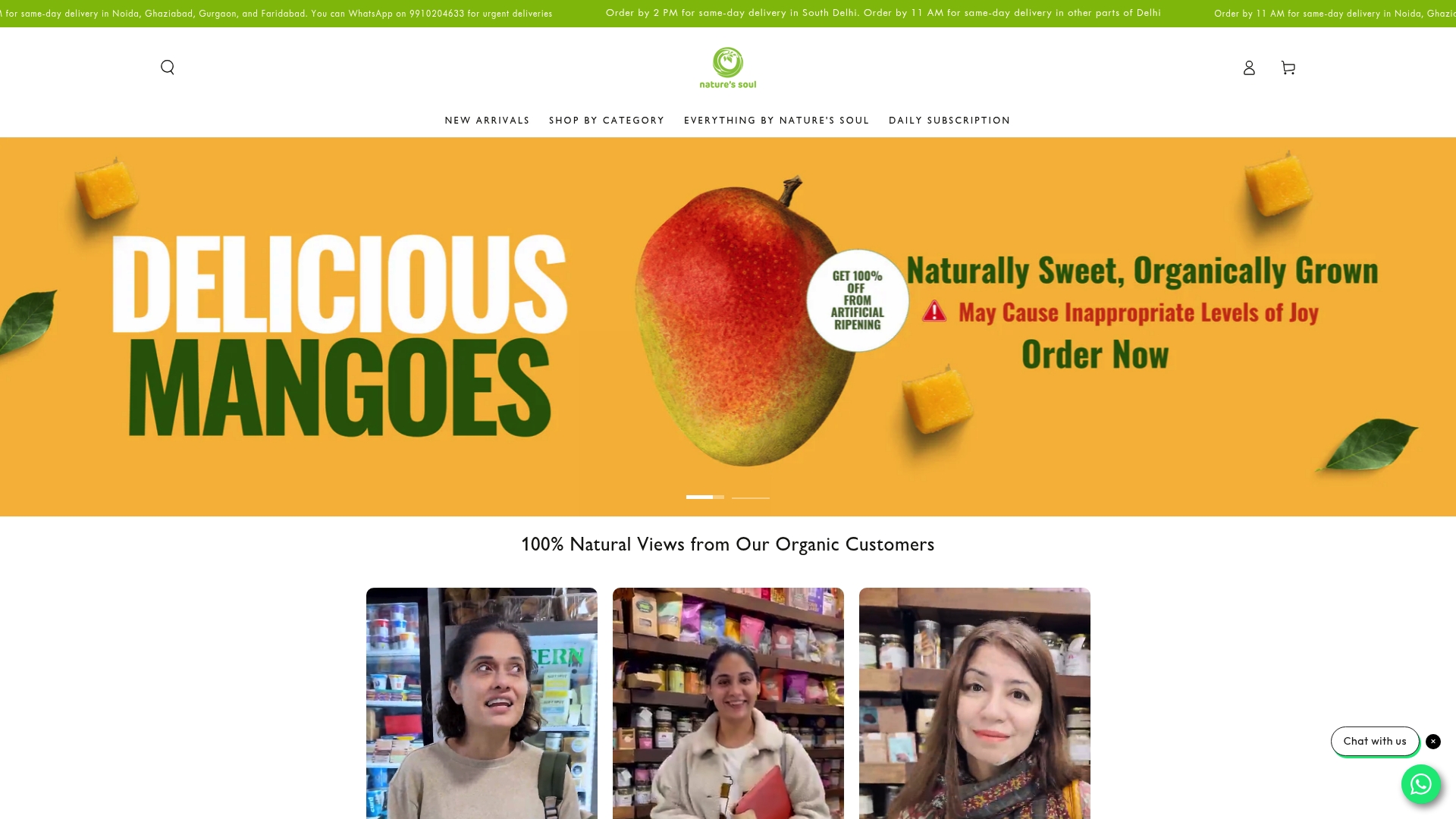
Delivery covers Delhi NCR, with same-day options available in select areas, so a missed trip to the shop doesn’t mean waiting a week for stock to turn up. The fresh produce range covers seasonal fruit and vegetables specifically, while the health category holds supplements and wellness products comparable to a shop’s back-wall stock. If your local shop’s supplement wall never has what you need in stock, browse the Health range on Naturessoulshop and place an order today.
Sources
- Find an organic retailer near you | Soil Association
- Farm Market | Local Food Market in Woodinville, WA | 21 Acres
- Local food as a solution | Go Green (University of Notre Dame)


