


Most british consumers are surprised to learn that even a daily cup of coffee can pose hidden risks for those sensitive to gluten. While plain coffee is naturally gluten-free, potential contamination and flavoured varieties can introduce unexpected challenges. Research shows that instant and speciality coffees may contain trace gluten, so reading labels and understanding how your coffee is prepared is crucial. This article clarifies the facts about gluten in coffee, helping you make safer and more confident choices for your routine.
Table of Contents
- Does Coffee Contain Gluten: The Facts
- Common Sources Of Gluten In Coffee
- Understanding Gluten Cross-Contamination Risks
- Choosing Safe Gluten-Free Coffee Options
- Practical Tips For Gluten-Free Coffee Drinkers
Key Takeaways
| Point | Details |
|---|---|
| Pure Coffee is Gluten-Free | Brewed coffee from 100% coffee beans is naturally gluten-free, but additive ingredients may introduce gluten risks. |
| Be Wary of Contamination | Instant coffee and flavourings can contain gluten; always read labels carefully to avoid hidden sources. |
| Cross-Contamination Risks | Shared equipment in coffee shops poses a risk for gluten exposure; opt for dedicated preparation methods when possible. |
| Choose Safe Options | Select organic, whole-bean coffee and grind at home to minimise gluten contamination risks effectively. |
Does Coffee Contain Gluten: The Facts
For individuals managing gluten sensitivities or coeliac disease, understanding the gluten status of everyday beverages like coffee is crucial. Traditional coffee brewing methods generally produce a gluten-free beverage, but nuanced considerations exist that require careful examination.
Plain, brewed coffee from pure coffee beans is naturally gluten-free. However, potential contamination or added ingredients can introduce gluten risks. Instant coffee products might contain trace gluten amounts, making label reading essential for those with strict dietary requirements. Flavoured coffee varieties present additional complexity, as they frequently incorporate ingredients derived from gluten-containing grains like barley.
Key factors determining coffee’s gluten status include:
- Coffee bean processing methods
- Potential cross-contamination during manufacturing
- Added flavourings or supplementary ingredients
- Specific coffee preparation techniques
Individuals with gluten sensitivities should prioritise understanding gluten’s complex role and remain vigilant about product selections. Consulting packaging details, choosing reputable brands, and selecting pure, unflavoured coffee options can help minimise potential gluten exposure.
Common Sources Of Gluten In Coffee
While pure coffee beans are naturally gluten-free, several hidden sources can introduce gluten risks for individuals with sensitivities. Cross-contamination during coffee processing represents a significant concern, particularly in facilities that handle multiple grain products simultaneously.
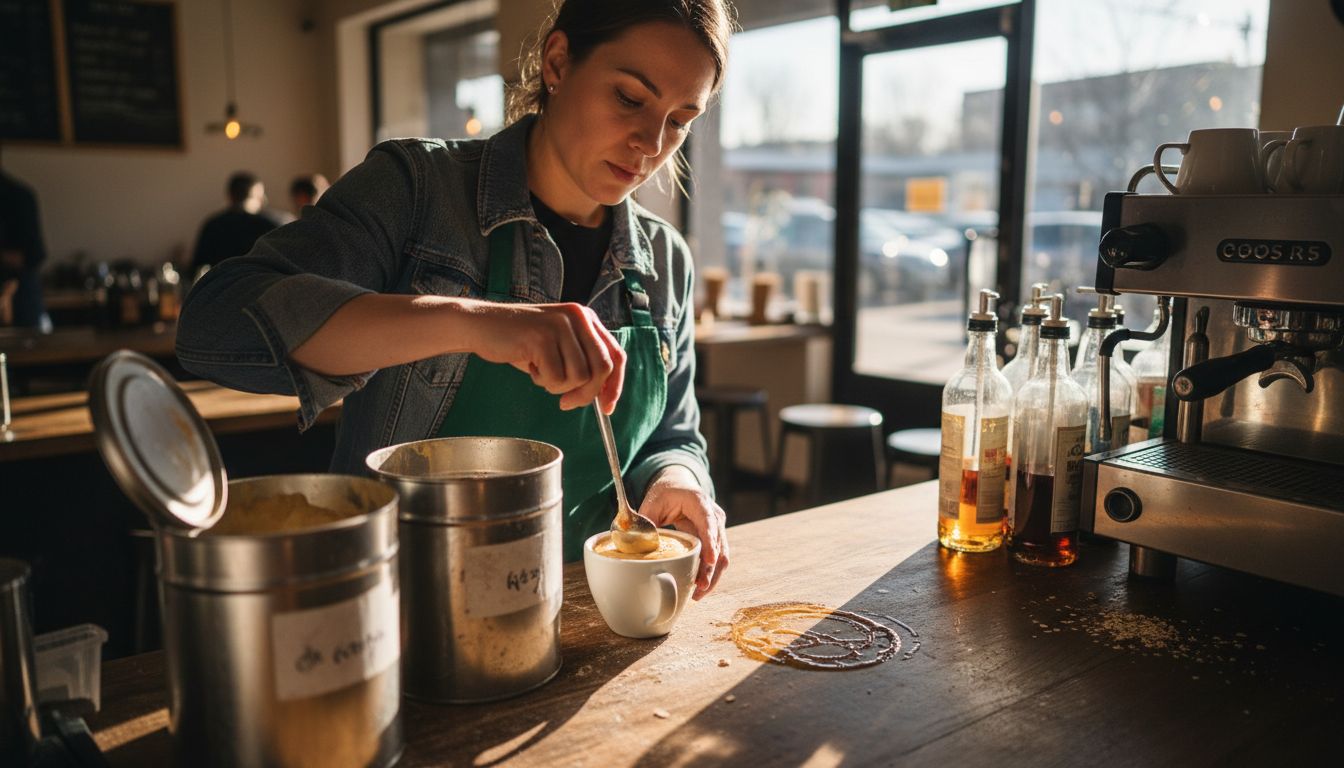
Coffee additives often serve as primary gluten introduction points. Flavoured creamers, alternative milks, and specialty coffee additions might contain gluten-based ingredients that compromise an otherwise safe beverage. Consumers must scrutinise product labels carefully, paying special attention to:- Powdered coffee creamers- Flavoured syrups- Pre-packaged coffee drinks- Instant coffee mixes
Manufacturing environments pose another potential gluten contamination risk. Shared equipment like grinders, packaging lines, and processing machinery can transfer gluten particles between different product batches. Individuals with gluten intolerance symptoms should prioritise purchasing coffee from dedicated gluten-free facilities or brands that demonstrate rigorous cross-contamination prevention protocols.
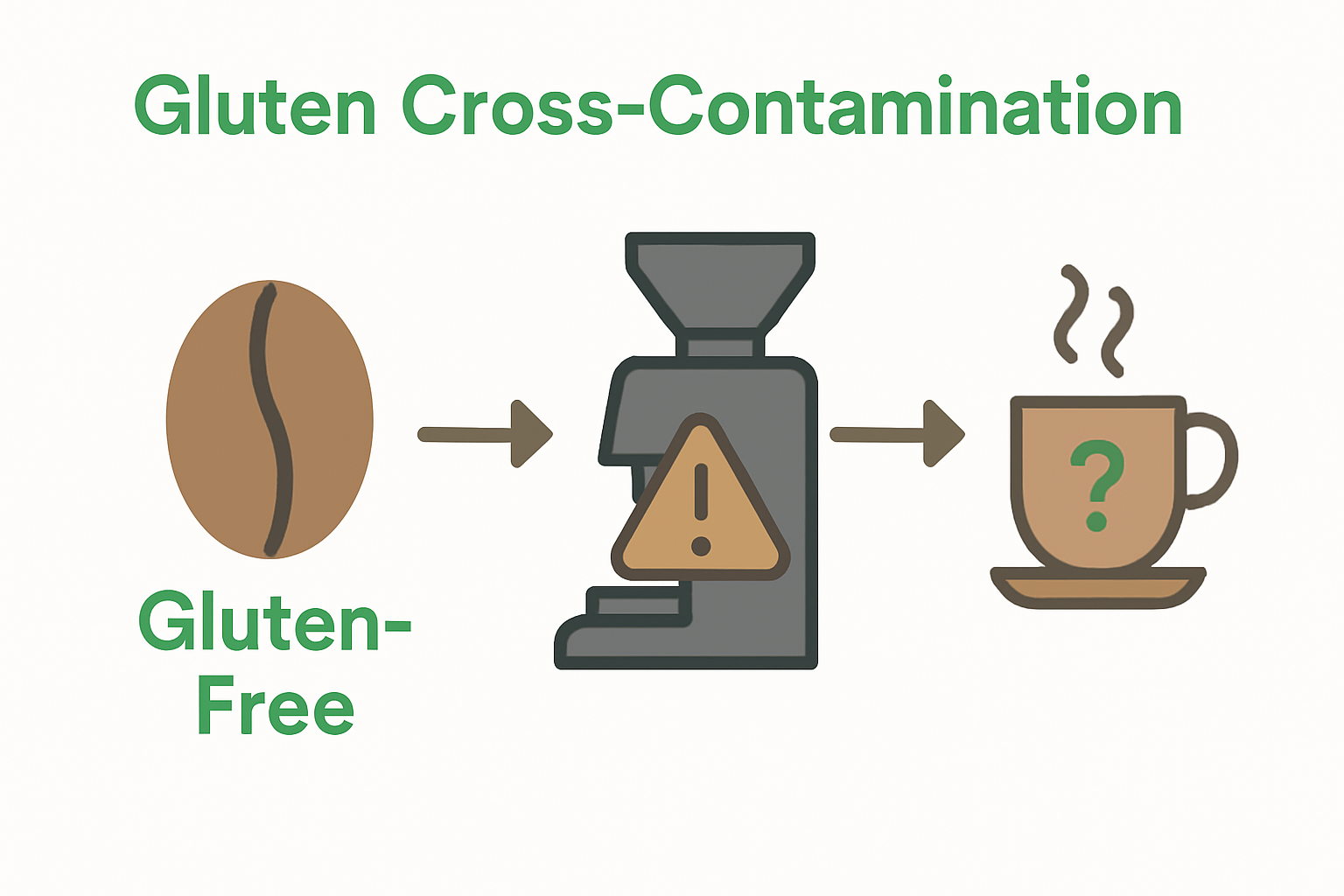
To minimise gluten exposure, opt for whole bean coffee from reputable sources, prepare beverages using dedicated equipment, and always verify ingredient lists. When in doubt, contact manufacturers directly to confirm their gluten-free manufacturing practices.
Understanding Gluten Cross-Contamination Risks
Cross-contamination in food preparation represents a significant challenge for individuals managing gluten sensitivities. In coffee environments, this risk extends beyond simple ingredient lists, involving complex interactions between equipment, preparation surfaces, and food handling practices.
Coffee shops present particularly nuanced cross-contamination scenarios. Shared equipment and utensils can transfer microscopic gluten particles between different beverages and food items, creating potential health risks for sensitive individuals. Common cross-contamination points include:
- Grinders used for multiple coffee varieties
- Shared milk steaming equipment
- Utensils wiped instead of thoroughly sanitised
- Preparation surfaces with residual gluten-containing ingredients
Mitigating these risks requires vigilance and proactive strategies. Gluten-free cooking techniques emphasise the importance of dedicated preparation spaces and equipment. Individuals with gluten sensitivities should consider requesting freshly cleaned equipment, choosing simple brewed coffees, and avoiding complex beverages with multiple ingredients that increase cross-contamination potential.
Ultimately, protecting oneself from unintended gluten exposure demands continuous awareness, clear communication with food service providers, and a comprehensive understanding of potential contamination pathways.
Choosing Safe Gluten-Free Coffee Options
Selecting gluten-free coffee requires strategic decision-making and careful product evaluation. Understanding the nuanced risks associated with different coffee varieties can help individuals with gluten sensitivities make informed choices about their daily brew.
Organic whole-bean coffee presents the safest option for gluten-conscious consumers. Purchasing coffee from reputable roasters who adhere to strict gluten-free manufacturing protocols minimises potential contamination risks. Key strategies for ensuring gluten-free coffee include:
- Selecting organic, whole-bean varieties
- Grinding coffee at home using dedicated equipment
- Avoiding instant and flavoured coffee products
- Checking for certified gluten-free labels
- Purchasing from manufacturers with transparent production practices
Organic gluten-free food selection requires vigilance beyond coffee choices. Self-service grinders and shared equipment can introduce significant cross-contamination risks, making home preparation or carefully selected pre-ground options preferable for sensitive individuals.
Consumers must remain proactive, reading labels meticulously and contacting manufacturers directly when uncertainty exists. Understanding potential gluten sources empowers individuals to enjoy their coffee confidently while protecting their health.
Practical Tips For Gluten-Free Coffee Drinkers
Minimising gluten exposure requires strategic approach and meticulous attention to detail for coffee enthusiasts with dietary sensitivities. Understanding potential contamination risks enables more confident beverage preparation and consumption.
Home coffee preparation offers the most reliable method for gluten-conscious individuals. Whole bean grinding techniques demand careful consideration, with several key strategies to ensure safety:
- Purchase certified gluten-free whole coffee beans
- Use dedicated home grinding equipment
- Avoid shared grinding facilities
- Clean grinders thoroughly between uses
- Store coffee beans in sealed, separate containers
Dairy and creamer selections require equally rigorous scrutiny. Traditional dairy options and explicitly labeled gluten-free alternative milks provide the safest additions. Gluten sensitivity testing can help individuals understand their personal tolerance levels and develop more personalised dietary strategies.
Ultimately, protecting oneself from inadvertent gluten exposure demands constant vigilance, comprehensive label reading, and a proactive approach to ingredient selection and preparation methods.
Enjoy Truly Gluten-Free Coffee with Confidence
Navigating the complexities of gluten contamination in coffee can feel overwhelming, especially when your health depends on strict gluten avoidance. This article highlights critical concerns such as cross-contamination risks, hidden gluten in flavourings, and the importance of choosing organic, gluten-free coffee products. If you are seeking to protect your wellbeing and savour your daily brew without worry, it is essential to select products with clean, transparent ingredients.
At Nature’s Soul Shop, we understand the challenge of finding authentic gluten-free options. Our range of organic and natural products, including carefully sourced gluten-free coffee selections, meets the highest standards to reduce exposure risks. Explore our collection to discover pure, unflavoured coffees and dedicated gluten-free foods that empower you to enjoy life fully. Take control of your health today and visit Nature’s Soul Shop for your next gluten-free purchase.
Frequently Asked Questions
Does brewed coffee contain gluten?
Brewed coffee made from pure coffee beans is naturally gluten-free. However, caution is needed with instant coffee and flavoured varieties, which may contain gluten due to added ingredients.
What are the main sources of gluten in coffee?
Gluten can be introduced into coffee through additives such as powdered creamers, flavoured syrups, instant coffee mixes, and cross-contamination during processing or preparation in shared environments.
How can I avoid gluten contamination in coffee?
To avoid gluten contamination, opt for organic whole-bean coffee, use dedicated grinding equipment at home, avoid instant and flavoured coffee products, and check for certified gluten-free labels.
What precautions should I take when ordering coffee at a café?
Inform the barista of your gluten sensitivity and request clean equipment for preparation. Stick to simple brewed coffees to minimise cross-contamination risks from shared utensils or equipment.


