


TL;DR:
- Many processed foods labeled as healthy contain preservatives that harm gut health and may increase cancer risk.
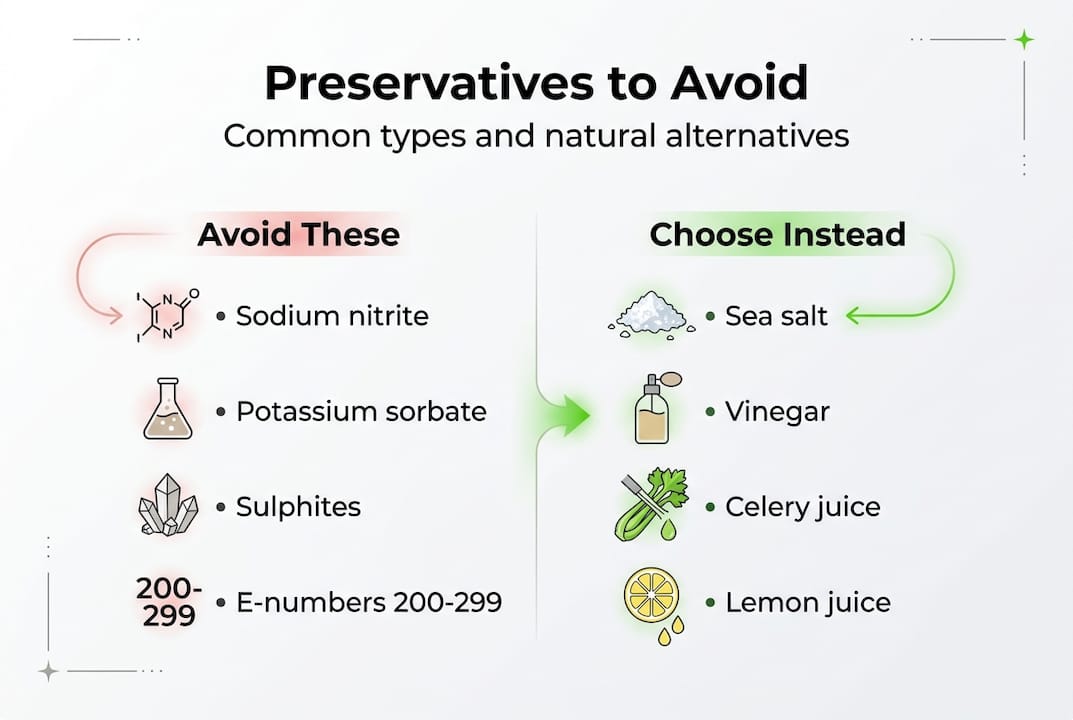
- Avoid preservatives like sodium nitrite, potassium sorbate, and sulphites by reading labels and choosing whole foods.
- Reducing intake of processed meats, sugary drinks, and snacks over time significantly lowers health risks.
Many popular foods labelled as ‘healthy’ still contain hidden preservatives that quietly undermine gut health, raise cancer risk, and disrupt your body’s chemistry. The problem is not always obvious. A granola bar, a pot of flavoured yoghurt, or a packet of dried mango can carry the same concerning additives as a processed ready meal. If you are already making the effort to eat more consciously, knowing which preservatives to watch for and how to replace them is the most practical step you can take. This guide breaks down the science, names the specific culprits, and gives you clear, actionable tools to shop and eat with genuine confidence.
Table of Contents
- Why food preservatives matter: Health impacts and new research
- Breakdown of common preservatives to avoid and their risks
- Natural and safer alternatives to artificial preservatives
- Smart shopping: How to spot and avoid risky preservatives
- Our view: Why a little vigilance pays off and what the research really means for your diet
- Next steps: Making clean eating easier with Nature’s Soul Shop
- Frequently asked questions
Key Takeaways
| Point | Details |
|---|---|
| Hidden preservative risks | Many everyday foods contain additives linked to higher cancer risk and gut disruption. |
| Top preservatives to avoid | Sodium nitrite, potassium sorbate, sulphites, BHA, and BHT stand out as most concerning. |
| Swap for safer choices | Opting for whole, fresh foods and natural preservation methods reduces your exposure. |
| Read labels and shop smart | Checking ingredient lists and learning common E-numbers help you steer clear of risky additives. |
Why food preservatives matter: Health impacts and new research
Food preservatives are substances added to products to slow spoilage, prevent bacterial growth, and extend shelf life. Manufacturers rely on them to reduce waste and maintain consistent flavour across long supply chains. On the surface, that sounds reasonable. But the chemistry involved is far more complex than simply keeping bread fresh for an extra week.
Certain widely used preservatives interfere with the gut microbiome, the community of bacteria that governs digestion, immunity, and even mood. Others have been flagged by researchers for their potential to raise cancer risk or trigger allergic responses. Preservatives like nitrites, benzoates, and BHA/BHT are now linked to gut disruption and increased cancer risk in multiple peer-reviewed studies. Crucially, the risk is rarely from a single exposure. It accumulates quietly over years of daily eating.
A growing body of evidence suggests that consumers regularly exceed the acceptable daily intake for several preservatives, particularly in Western-style diets heavy in packaged goods. Regulators set these limits based on individual substances, but they rarely account for the combined load from eating multiple preserved products in one day.
Experts are now urging a review of existing safety thresholds, arguing that current limits do not reflect real-world eating patterns. Understanding food additives and their cumulative effects is increasingly seen as essential, not optional, for anyone serious about long-term health.
The food categories most likely to carry concerning preservatives include:
- Processed and cured meats (bacon, ham, salami, hot dogs)
- Sweetened fizzy drinks and fruit squashes
- Packaged snack foods (crisps, crackers, flavoured nuts)
- Dried fruits treated to preserve colour and prevent mould
- Packaged baked goods such as sliced bread, muffins, and pastries
- Flavoured dairy products including some yoghurts and cream cheeses
If you are exploring natural food preservatives or considering preservative free diets, understanding what you are currently consuming is the essential first step.
Now that we have set the stage for why hidden chemicals in ‘healthy’ foods matter, let us break down exactly which ones deserve your scrutiny.
Breakdown of common preservatives to avoid and their risks
Not all preservatives carry the same level of risk. Some are relatively benign at low doses. Others have a stronger evidence base linking them to serious health outcomes. Here is a clear look at the main culprits.
| Preservative | E-number | Common foods | Studied health risks |
|---|---|---|---|
| Sodium nitrite | E250 | Bacon, ham, cured meats | Colorectal and prostate cancer risk |
| Potassium nitrate | E252 | Salami, processed meats | Increased cancer risk |
| Potassium sorbate | E202 | Cheese, wine, dried fruit | Linked to breast cancer risk |
| Sodium benzoate | E211 | Fizzy drinks, fruit juices | Gut disruption, hyperactivity |
| Sulphur dioxide | E220 | Dried fruit, wine, vinegar | Asthma, allergic reactions |
| BHA / BHT | E320/E321 | Crisps, cereals, chewing gum | Potential carcinogen |
Here is why each of these matters:
-
Sodium nitrite and potassium nitrate. Sodium nitrite raises the risk of prostate and colorectal cancer. These compounds react with proteins in meat during cooking or digestion to form nitrosamines, which are known carcinogens. Explore nitrate-free meats as a practical swap.
-
Potassium sorbate. Research suggests sorbate is linked to a 26% higher breast cancer risk and elevated overall cancer risk. It appears in a surprising number of seemingly wholesome products, including some organic-labelled cheeses and fermented foods.
-
Sulphites (E220 to E228). Sulphites trigger asthma and allergic reactions in sensitive individuals and are associated with increased cancer risk at higher exposure levels. Dried apricots, wine, and vinegar-based condiments are common sources.
-
Sodium benzoate. When combined with ascorbic acid (vitamin C) in fizzy drinks, it can form benzene, a known carcinogen. It also disrupts gut bacteria balance.
-
BHA and BHT. These synthetic antioxidants prevent fats from going rancid. Both are classified as possible carcinogens and accumulate in body fat over time.
For a deeper look at whether preservatives are bad for you, the evidence is nuanced but consistently points toward reducing exposure, particularly for the items above.
Pro Tip: When shopping, aim for products with fewer than five ingredients. If you cannot pronounce an ingredient or it has an E-number you do not recognise, look it up before buying.
Natural and safer alternatives to artificial preservatives
Knowing the risks, you might be wondering how to fill your kitchen without preservatives. The good news is that effective, safer alternatives exist and many are already common in traditional food preparation.
| Artificial preservative | Natural alternative | How it works |
|---|---|---|
| Sodium nitrite | Celery juice, sea salt, lactic acid bacteria | Naturally occurring nitrates, fermentation |
| Potassium sorbate | Rosemary extract, vitamin E (tocopherol) | Antioxidant activity, inhibits mould |
| Sodium benzoate | Citric acid, vinegar | Lowers pH to inhibit bacterial growth |
| Sulphur dioxide | Ascorbic acid (vitamin C), honey | Antioxidant protection, antimicrobial |
| BHA / BHT | Green tea extract, oregano oil | Natural antioxidants |
It is worth noting that natural alternatives do come with trade-offs. Shelf life is often shorter, which means planning your shopping more carefully. However, whole foods and short ingredient lists consistently show lower preservative risk and better overall nutritional profiles.
Here are practical ways to reduce your reliance on preserved products:
- Buy in smaller quantities more frequently. Fresher produce does not need preservatives to stay safe.
- Use your freezer. Freezing is one of the oldest and safest preservation methods, with no chemical additives required.
- Cook more at home. Batch cooking gives you full control over every ingredient.
- Choose fermented foods. Yoghurt, kefir, kimchi, and sauerkraut use beneficial bacteria to preserve naturally.
- Swap sweetened drinks for infused water or herbal teas. This alone eliminates a significant source of benzoates and sulphites.
Exploring natural preservative choices and even natural alternatives to sugar can transform your weekly shop without making it feel restrictive or complicated.
Smart shopping: How to spot and avoid risky preservatives
Armed with options, let us focus on how you can confidently shop for cleaner, safer foods every week. Reading labels is a skill, and like any skill, it gets easier with practice.
Start by scanning for these E-numbers on packaging:
- E210 to E213 (benzoic acid and benzoates)
- E220 to E228 (sulphur dioxide and sulphites)
- E249 to E252 (nitrites and nitrates)
- E200 to E203 (sorbic acid and sorbates)
- E320 and E321 (BHA and BHT)
Ultra-processed foods and exceeding ADI for preservatives are common in Western diets, which means the average person is likely consuming far more than they realise across a typical day.
Marketing language can be misleading. Terms like ‘natural flavouring’, ‘no artificial colours’, or ‘made with real fruit’ do not mean a product is preservative-free. A product can carry all of these claims and still contain E211 or E220. Always go straight to the ingredient list, not the front-of-pack claims.
Pro Tip: If a product lists more than one E-number in the 200s range, put it back. That combination signals a heavily preserved product, regardless of how wholesome the branding looks.
Single-ingredient products are your safest bet. A bag of whole oats, a piece of fresh salmon, or a block of natural cheese carries far less risk than any multi-ingredient packaged alternative. When you do buy packaged goods, look for brands that disclose their sourcing and use recognisable, pronounceable ingredients.
Being aware of preservatives in packaged food and learning how to avoid pesticides alongside preservatives gives you a genuinely cleaner overall diet, not just a reduction in one category of risk.
Our view: Why a little vigilance pays off and what the research really means for your diet
Here is what most guides on this topic understate: the risk from preservatives is not dramatic or immediate. It is cumulative. It builds quietly through years of small, repeated choices. That is actually good news, because it means you do not need to overhaul everything overnight.
The biggest gains come from consistently swapping the highest-risk items, specifically processed meats, sweetened fizzy drinks, and ultra-processed snacks. Eliminate those from your regular rotation and you have already reduced your exposure significantly. Obsessing over trace amounts in a single product misses the point entirely.
We have seen people exhaust themselves trying to achieve 100% preservative-free eating, only to give up because it feels impossible. It is not about perfection. It is about shifting your baseline. Even making better choices half the time compounds meaningfully over months and years.
Exploring preservative free diets does not mean living on plain rice and steamed vegetables. It means becoming a more informed, more intentional shopper. That shift in mindset is where the real health benefit lives.
Next steps: Making clean eating easier with Nature’s Soul Shop
If you are ready to put these habits into practice, Nature’s Soul Shop makes it genuinely straightforward. Every product in our range is selected with clean ingredients in mind, minimal processing, and transparent sourcing you can actually trust.
From organic fruits and vegetables to nitrate-free meats, preservative-free dry grocery, and natural dairy, we stock the swaps that make a real difference without the label-reading anxiety. Browse our full range of organic grocery options and explore our health resources to find guides, ingredient breakdowns, and curated product picks that support a cleaner, more nourishing way of eating every day.
Frequently asked questions
What are the top three food preservatives to avoid?
Sodium nitrite, potassium sorbate, and sulphites are among the most concerning, with established links to cancer risk and gut health disruption across multiple studies.
Are all E-numbers on packaging harmful?
Not all E-numbers are harmful, but synthetic preservatives like E250, E211, and E220 carry a stronger evidence base for adverse health effects and are worth avoiding where possible.
How can I completely avoid artificial preservatives?
Choose whole, single-ingredient foods, read ingredient lists carefully, and avoid ultra-processed products. Whole foods and short ingredient lists consistently show the lowest preservative risk.
What risks do preservatives pose to children or pregnant women?
Certain preservatives disrupt gut microbiota and may raise cancer risk over time, making extra caution especially advisable for children, pregnant women, and anyone with a compromised immune system.
Recommended
- Natural Food Preservatives: Healthier Choices for 2025 – naturessoulshop
- How to Avoid Pesticides: A Complete Guide for Healthier Living – naturessoulshop
- Safe food storage tips for health-conscious families 2026 – naturessoulshop
- Preservatives in Packaged Food: What Delhi NCR Needs to Know in 2025 – naturessoulshop


