


Swapping wheat for gluten free alternatives feels like a health win. But here is the uncomfortable truth: many people following a gluten free diet are actually eating worse than before. Gluten free products are often low in fibre and higher in fat, sugar, and calories than their wheat-based counterparts. The real goal is not simply to avoid gluten. It is to build a diet that is genuinely nourishing, rich in organic whole foods, and balanced across all the nutrients your body needs every single day.
Table of Contents
- What a balanced gluten free diet truly means
- Core food groups and recommended gluten free staples
- Mediterranean-style gluten free eating: an optimal framework
- Nutrient gaps: hidden risks and how to avoid them
- Organic and natural ingredients: your secret to enhanced wellness
- Balanced gluten free eating: daily framework and smart meal ideas
- Shop organic gluten free essentials for healthy balanced living
- Frequently asked questions
Key Takeaways
| Point | Details |
|---|---|
| Whole foods first | Build your gluten free diet around fresh produce, legumes, and minimally processed grains for the best nutrient balance. |
| Rotate gluten free grains | Diversity with quinoa, millet, and buckwheat provides essential fibre, vitamins, and minerals. |
| Watch for nutrient gaps | Plan meals and test regularly to avoid common deficiencies in fibre, iron, and B vitamins. |
| Choose organic and natural | Prioritise organic, whole foods to enhance wellness and minimise exposure to additives. |
| Prioritise planning | Smart meal planning and label reading are key to truly balanced and safe gluten free eating. |
What a balanced gluten free diet truly means
Removing gluten from your plate is the starting point, not the finish line. A truly balanced gluten free diet is one that replaces refined, processed substitutes with whole, naturally gluten free foods that deliver real nutritional value. Without this shift, you risk falling short on fibre, iron, B vitamins, folate, and calcium. These are not minor gaps. They affect your energy, immunity, digestion, and long-term health.
A balanced gluten free diet emphasises naturally gluten free whole foods such as fruits, vegetables, legumes, and whole grains. Think of it as building a colourful, varied plate rather than simply hunting for gluten free labels on packaged goods. The food groups that matter most include:
- Fresh fruits and vegetables (aim for a wide range of colours)
- Legumes such as lentils, chickpeas, and black beans
- Nuts and seeds including almonds, chia, and flaxseed
- Fresh meats, fish, and poultry
- Dairy or fortified dairy alternatives
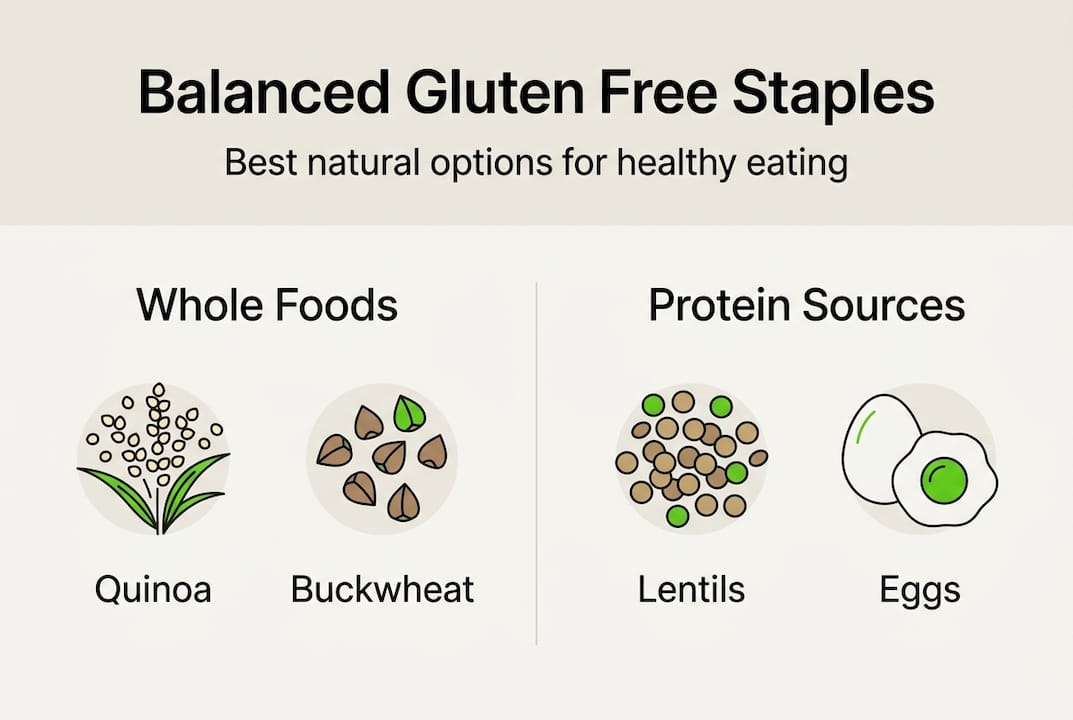
- Naturally gluten free whole grains such as quinoa, buckwheat, and millet
“A gluten free diet built on whole, unprocessed foods is not a restriction. It is one of the most nutrient-dense ways to eat, provided you plan it thoughtfully.”
Understanding building a balanced meal from the ground up helps you move beyond label-reading and into genuinely nourishing choices.
Core food groups and recommended gluten free staples
Once you understand the fundamentals, it is crucial to know exactly which foods offer the best foundation for a balanced gluten free plate. Not all gluten free foods are created equal. A packet of gluten free biscuits and a bowl of quinoa are both technically gluten free. Only one of them is doing your body any favours.
Rotate gluten free grains such as amaranth, buckwheat, quinoa, and millet to maximise fibre and nutrients, and avoid reliance on low-fibre substitutes like white rice and potatoes. Rotation is key because each grain brings a different nutrient profile to the table.
| Gluten free grain | Key nutrients | Best used for |
|---|---|---|
| Quinoa | Complete protein, iron, magnesium | Salads, bowls, porridge |
| Buckwheat | Fibre, B vitamins, antioxidants | Pancakes, noodles, groats |
| Millet | Magnesium, phosphorus, fibre | Porridge, flatbreads, pilafs |
| Amaranth | Calcium, iron, lysine | Porridge, soups, baking |
| Certified GF oats | Beta-glucan fibre, B vitamins | Overnight oats, granola |
Beyond grains, your staples should include:
- Legumes at least three times per week for plant-based protein and fibre
- A handful of mixed nuts or seeds daily for healthy fats and minerals
- Full-fat or low-fat dairy for calcium and B12 (or fortified plant alternatives)
- Organic produce wherever possible to reduce pesticide exposure
Pro Tip: Add a tablespoon of ground flaxseed or chia seeds to your morning porridge or smoothie. It is one of the simplest ways to boost both fibre and omega-3 fatty acids without any effort.
For structured guidance on what to keep in your kitchen, explore gluten free pantry staples and use meal planning gluten free strategies to stay consistent. The gluten free innovation trends space is also evolving rapidly, with more whole-food-based products entering the market each year.
Mediterranean-style gluten free eating: an optimal framework
Beyond ingredients, how you structure your day-to-day eating matters enormously for both satisfaction and long-term health. The Mediterranean dietary pattern is widely regarded as one of the most evidence-backed approaches to eating well, and it adapts beautifully to a gluten free lifestyle.
Mediterranean-style eating supports high intakes of vegetables, fruits, legumes, and olive oil, with moderate seafood, poultry, and dairy, while limiting processed food and red meat. When you swap out wheat-based elements for naturally gluten free whole grains, the framework remains intact and highly nutritious.
Here is how a balanced gluten free Mediterranean day might look:
- Breakfast: Buckwheat porridge with berries, a drizzle of honey, and a handful of walnuts
- Mid-morning snack: A small handful of almonds and a piece of seasonal fruit
- Lunch: A large salad with quinoa, roasted vegetables, chickpeas, olive oil, and lemon
- Afternoon snack: Hummus with sliced cucumber and carrot sticks
- Dinner: Grilled salmon with millet, steamed greens, and a side of lentil soup
| Traditional Mediterranean | Balanced gluten free Mediterranean |
|---|---|
| Whole wheat bread and pasta | Quinoa, millet, buckwheat, GF oats |
| Couscous | Cauliflower rice or amaranth |
| Barley-based soups | Lentil or chickpea-based soups |
| Wheat-based desserts | Almond flour or oat-based bakes |
This framework supports balanced meal building and makes choosing organic gluten free foods feel intuitive rather than overwhelming.
Nutrient gaps: hidden risks and how to avoid them
Enjoying gluten free eating does not guarantee well-being unless you actively guard against these often-missed risks. The research is clear and a little sobering. Adults with coeliac disease on a gluten free diet show persistent deficiencies in calcium, iron, and fibre, with many failing to meet recommended daily intakes. Even healthy adults are not immune. A gluten free diet can pose risks of nutrient gaps, weight gain, and increased sugar and fat from processed substitutes.
The most common gaps to watch for include:
- Fibre: Processed GF products often use refined starches with little fibre
- Iron: Found in fortified wheat products that are now absent from your diet
- B vitamins: Particularly B1, B2, B3, and folate, commonly added to wheat flour
- Calcium: At risk if dairy is also reduced or eliminated
- Zinc and magnesium: Often low in diets heavy in refined GF substitutes
Symptoms of these gaps can be subtle at first. Low energy, frequent colds, constipation, and poor concentration are all signs worth taking seriously. The effects of a gluten free diet on overall health depend heavily on the quality of food choices made.
Pro Tip: Book an annual blood test that includes iron, ferritin, B12, folate, vitamin D, and calcium. It takes the guesswork out of your nutrition and gives you a clear picture of where to focus.
Understanding the difference between gluten free vs wheat free diets also helps you make smarter choices at the supermarket. If you are managing a tight budget, budget gluten free shopping guides can help you prioritise whole foods without overspending.
Organic and natural ingredients: your secret to enhanced wellness
To get the full well-being benefits of balanced gluten free living, take your meal planning one step further by choosing organic and minimally processed options. This is where the real difference shows up, not just in nutrient content but in how you feel day to day.
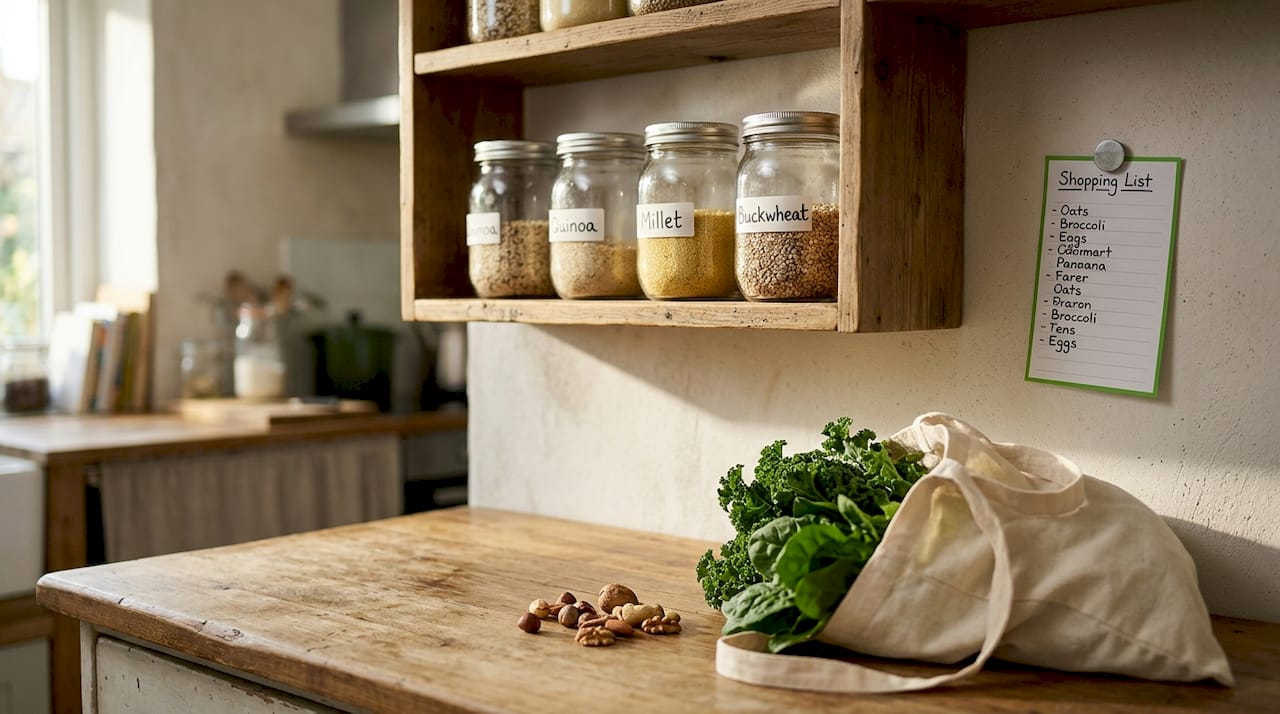
Focusing on unprocessed fruits, vegetables, nuts, legumes, and wild fish enhances wellness for health-conscious adults. Organic produce carries fewer synthetic pesticide residues, and minimally processed foods retain more of their natural vitamins, minerals, and phytonutrients.
Here is how to make organic choices work practically:
- Prioritise organic for the produce you eat most frequently and in largest quantities
- Choose whole food snacks such as fresh fruit, raw nuts, or seed crackers over packaged GF alternatives
- Read ingredient labels carefully. A short, recognisable ingredient list is always a good sign
- Swap packaged GF cereals for homemade overnight oats using certified GF oats and organic fruit
- Use organic cold-pressed olive oil as your primary cooking fat
Pro Tip: Your gut microbiome thrives on diversity and dislikes additives. Choosing organic, additive-free foods even just a few times per week can meaningfully support gut health and reduce inflammation over time.
For practical guidance, explore tips for organic gluten free eating and discover best organic gluten free flours for home baking that actually tastes good.
Balanced gluten free eating: daily framework and smart meal ideas
You know the science and the benefits. Now let us get practical with a framework you can follow every single day without overthinking it.
A well-balanced gluten free day follows a simple structure. Include gluten free whole grains, fresh produce, healthy fats such as olive oil, and a quality protein source at every meal. That checklist alone covers most of your nutritional bases.
Here is a step-by-step daily framework:
- Breakfast: Rotate between buckwheat porridge, GF oat granola with yoghurt, or a vegetable omelette with gluten free toast
- Lunch: Build a grain bowl with quinoa or millet, roasted or raw vegetables, a legume, and a tahini or olive oil dressing
- Dinner: Centre your plate around a quality protein (fish, chicken, or legumes), a serving of gluten free whole grain, and at least two vegetable sides
- Snacks: Keep it whole food. Think fruit with nut butter, a boiled egg, or a small portion of mixed seeds
When eating out, do not be afraid to ask questions. Most restaurants can accommodate gluten free needs with a little communication. Our gluten free dining out guide covers exactly how to navigate menus confidently. For family-friendly inspiration, gluten free meal ideas offer creative, practical options that work for everyone at the table.
The key is consistency over perfection. A balanced gluten free diet is not about getting every meal exactly right. It is about building habits that make nourishing choices the easy, default option.
Shop organic gluten free essentials for healthy balanced living
Putting all of this into practice starts with having the right ingredients in your kitchen. At Nature’s Soul, we source organic and natural products across every category you need for a genuinely balanced gluten free lifestyle.

From fresh fruits and vegetables to dry grocery staples, certified gluten free grains, seeds, nuts, and dairy, everything is chosen with clean ingredients and your well-being in mind. Explore Nature’s Soul Fresh for seasonal organic produce delivered to your door, or browse our health essentials range for pantry staples that make balanced gluten free eating simple and enjoyable. When your kitchen is stocked with genuinely good food, eating well stops feeling like effort and starts feeling like second nature.
Frequently asked questions
What foods are best for balancing a gluten free diet?
Naturally gluten free whole foods such as quinoa, buckwheat, fruits, vegetables, legumes, nuts, seeds, and lean proteins form the strongest foundation for a balanced gluten free diet.
Are processed gluten free products less healthy than natural foods?
Yes. Processed gluten free foods often contain more sugar, fat, and lower fibre than whole natural foods, so unprocessed choices should always be your first option.
Can you miss out on nutrients by following a gluten free diet?
Absolutely. Fibre, iron, folate, B vitamins, and calcium are commonly deficient even among those strictly following a gluten free diet. Rotating grains and eating diverse whole foods helps close these gaps.
Is a gluten free diet healthier for everyone?
No. A gluten free diet offers no proven health benefits for people without gluten intolerance and can actually introduce nutritional risks if not managed carefully.
How can you ensure a gluten free diet is truly balanced?
Prioritise diverse whole foods, rotate your gluten free grains regularly, choose organic produce where possible, and work with a dietitian for personalised guidance tailored to your specific needs.
Recommended
- Master Meal Planning Gluten Free: Healthy Dining Made Easy – naturessoulshop
- Master Gluten Free Dining Out: A Complete Guide – naturessoulshop
- Budget gluten-free shopping in Delhi NCR: smart tips for 2026 – naturessoulshop
- Building a Balanced Meal Naturally: A Step-by-Step Guide – naturessoulshop
- sans-gluten - HUBY INNOVATION


