


Most british households consume more than half their daily calories from processed foods, yet few know the vital difference between minimally and ultra-processed options. This matters because what you eat every day shapes your health, energy, and even your family’s wellbeing. Discover how understanding minimally processed foods lets you make smarter choices that keep real flavor and nutrients at the center of every meal.
Table of Contents
- Defining Minimally Processed Foods Accurately
- Common Types And Everyday Examples
- Distinguishing Ultra-Processed And Natural Foods
- Health And Wellness Benefits Explained
- Labelling, Safety, And Storage Advice
- Choosing And Using Minimally Processed Foods
Key Takeaways
| Point | Details |
|---|---|
| Minimally Processed Foods | Offer convenience while preserving the nutritional integrity of ingredients through techniques like gentle washing and freezing. |
| Health Risks of Ultra-Processed Foods | The consumption of ultra-processed foods is linked to chronic health issues such as metabolic disorders and obesity. |
| Informed Dietary Choices | Understanding food processing levels empowers consumers to prioritise minimally processed foods for better health outcomes. |
| Storage and Labelling Best Practices | Proper storage and attention to ingredient labels are crucial for maintaining the nutritional quality of minimally processed foods. |
Defining Minimally Processed Foods Accurately
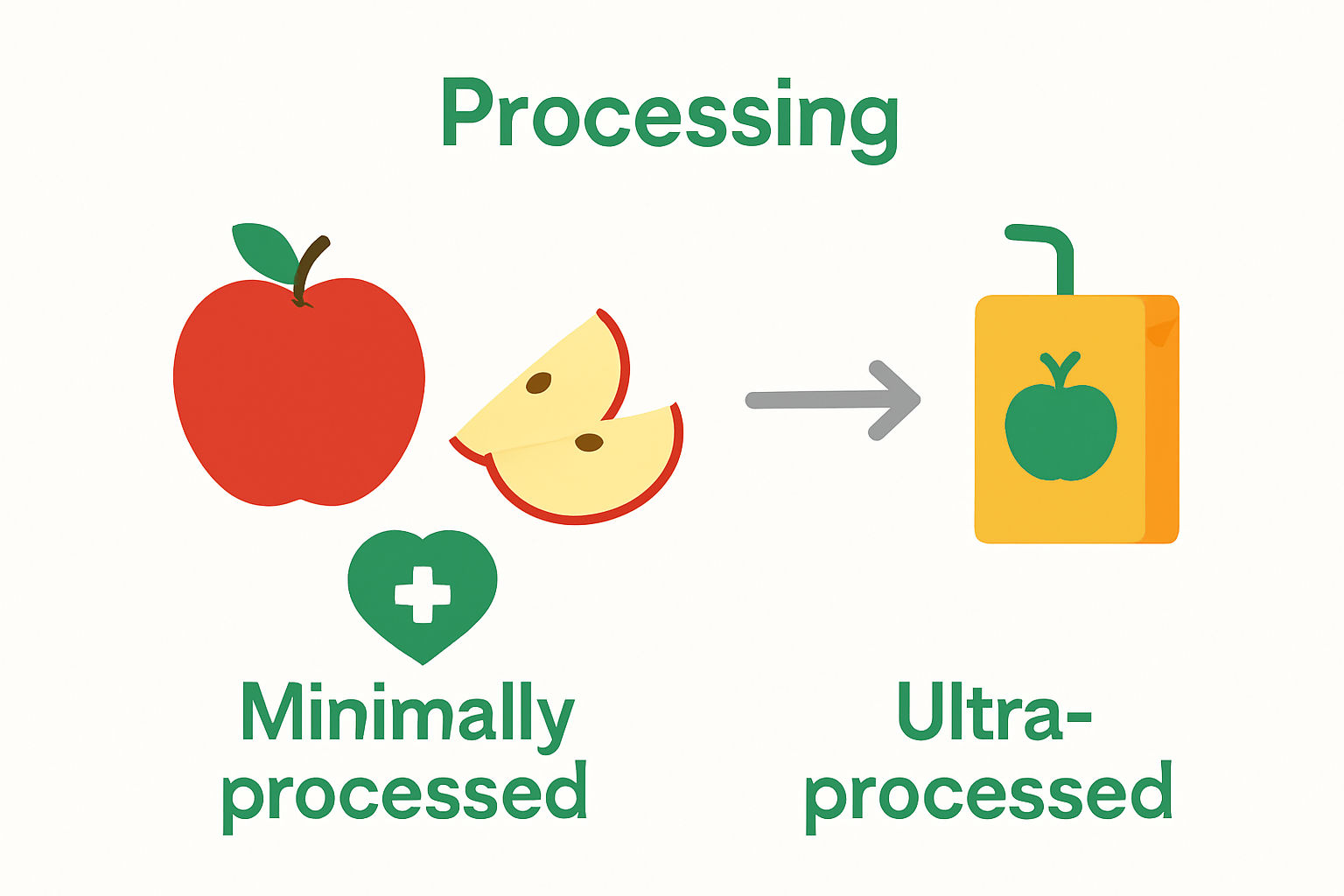
Minimally processed foods represent a sophisticated approach to nutrition that preserves the original nutritional integrity of ingredients while making them more convenient and accessible. These foods undergo minimal alterations that do not substantially change their fundamental nutritional profile or inherent characteristics. According to global food systems research, minimally processed foods are unaltered substances modified only in ways that subtract parts without introducing additional substances.
The essence of minimally processed foods lies in their subtle preparation techniques. These methods aim to preserve nutritional quality while ensuring food safety and enhancing sensory attributes. Typical techniques include gentle washing, cutting, refrigeration, freezing, or basic pasteurisation that maintains the food’s core nutritional structure. This approach contrasts sharply with heavily processed foods that introduce artificial additives, preservatives, and significant structural modifications.
Key characteristics of minimally processed foods include:
- Retention of original nutritional composition
- Minimal external ingredient additions
- Preservation techniques that do not compromise nutritional value
- Limited mechanical or physical transformations
- Maintaining the food’s natural cellular structure
Understanding these nuanced preparation methods empowers consumers to make informed dietary choices that prioritise wholesome, nutrient-dense nutrition without sacrificing convenience. By recognising minimally processed foods, individuals can strategically incorporate minimally altered ingredients into their daily nutritional regimen, supporting overall health and wellness.
Common Types And Everyday Examples
Minimally processed foods encompass a diverse range of nutritional options that maintain their original essence while offering enhanced convenience. Harvard Health research highlights common examples such as chopped and frozen vegetables, and roasted chicken, which represent straightforward methods of food preparation that preserve nutritional value.
According to comprehensive dietary research, minimally processed foods include an extensive array of wholesome ingredients:
- Fresh Produce: Whole fruits and vegetables in their natural state
- Frozen Products: Vacuum-packed fruits, vegetables, and meats
-
Protein Sources:
- Fresh meats
- Poultry
- Fish
- Eggs
-
Dairy and Alternatives:
- Plain milk
- Fermented milk products
- 100% natural juices
-
Dry Goods:
- Unsalted nuts
- Raw seeds
- Whole grains
These minimally processed food categories offer consumers nutritionally rich alternatives that require minimal preparation while retaining their fundamental cellular structure and inherent nutritional benefits. By understanding these options, individuals can make informed dietary choices that balance convenience with optimal nutritional intake.

Distinguishing Ultra-Processed And Natural Foods
The landscape of food processing represents a complex spectrum that distinguishes between natural ingredients and industrially manipulated products. Cambridge nutritional research defines ultra-processed foods as those containing substances rarely encountered in home kitchens, incorporating additives designed to enhance palatability and visual appeal.
Ultra-processed foods are characterised by extensive industrial intervention that fundamentally transforms the original ingredient’s nutritional profile. According to comprehensive dietary studies, these products involve complex manufacturing processes using exclusively industrial ingredients, dramatically departing from their natural state.
Key differences between natural and ultra-processed foods include:
-
Ingredient Composition:
- Natural Foods: Minimal ingredients, recognisable and whole
- Ultra-Processed Foods: Multiple synthetic additives, complex chemical formulations
-
Processing Level:
- Natural Foods: Minimal mechanical or chemical alterations
- Ultra-Processed Foods: Extensive industrial transformations
-
Nutritional Integrity:
- Natural Foods: Retain original nutrient profile
- Ultra-Processed Foods: Significantly modified nutritional content
Understanding these distinctions empowers consumers to make informed dietary choices, prioritising whole, minimally manipulated foods that support optimal nutritional intake and long-term health outcomes.
Health And Wellness Benefits Explained
Harvard Health research conclusively demonstrates that consuming whole and minimally processed foods represents the most effective strategy for maintaining comprehensive bodily health. These nutrient-dense foods support optimal physiological functioning by providing essential vitamins, minerals, and unaltered nutritional profiles that promote long-term wellness.
Conversely, nutritional studies reveal significant health risks associated with ultra-processed food consumption. These industrially manufactured products are directly linked to multiple chronic health conditions, including:
-
Metabolic Disorders:
- Increased diabetes risk
- High blood pressure
- Unfavourable blood lipid profiles
-
Weight-Related Challenges:
- Elevated obesity probability
- Impaired metabolic regulation
- Reduced nutritional absorption
-
Long-Term Health Implications:
- Compromised immune function
- Potential inflammatory responses
- Disrupted hormonal balance
By prioritising minimally processed foods, individuals can proactively support their digestive health and overall wellbeing, creating a nutritional foundation that promotes sustained energy, optimal physiological performance, and long-term health resilience.
Labelling, Safety, And Storage Advice
Global food research emphasises that minimally processed foods should be treated ‘as little as possible, but as much as necessary’ to maintain nutritional integrity and ensure comprehensive food safety. This principle guides consumers in understanding the delicate balance between preservation and maintaining the food’s original qualities.
Storage strategies play a crucial role in maintaining the nutritional value and safety of minimally processed foods. World Public Health Nutrition Association research highlights that minimal processing techniques not only preserve foods but also enhance their culinary potential, digestibility, and overall enjoyment.
Key Labelling and Storage Guidelines:
-
Food Labelling Essentials:
- Check ingredient list for minimal additives
- Verify processing method on packaging
- Look for clear origin and processing details
-
Safe Storage Practices:
- Refrigerate perishable minimally processed items
- Use airtight containers to maintain freshness
- Respect recommended temperature zones
-
Shelf Life Considerations:
- Monitor expiration dates closely
- Understand natural preservation limitations
- Rotate stock to ensure maximum nutritional value
By understanding these nuanced clean ingredient principles, consumers can make informed decisions that prioritise food safety, nutritional quality, and optimal preservation techniques.
Choosing And Using Minimally Processed Foods
Harvard Health research confirms that consuming whole and minimally processed foods represents the most effective nutritional strategy for maintaining comprehensive bodily health. Understanding how to select, prepare, and incorporate these foods into daily nutrition requires a nuanced approach that prioritises nutritional integrity and sensory quality.
European Food Information Council guidance emphasises treating minimally processed foods ‘as little as possible, but as much as necessary’ to preserve their inherent nutritional profile. This principle translates into practical selection strategies that empower consumers to make informed dietary choices.
Practical Selection and Usage Guidelines:
-
Shopping Strategies:
- Purchase whole, unpackaged produce
- Choose items with minimal ingredient lists
- Prioritise seasonal and locally sourced options
-
Preparation Techniques:
- Use gentle cooking methods
- Minimal seasoning to preserve original flavours
- Maintain nutritional density through careful handling
-
Storage Considerations:
- Refrigerate immediately after purchase
- Use airtight containers
- Consume within recommended timeframes
By exploring sustainable food choices, consumers can develop a comprehensive approach to nutrition that supports both personal health and environmental responsibility.
Discover the Power of Minimally Processed Foods with Nature’s Soul Shop
Navigating the world of nutrition can be challenging when trying to prioritise foods that truly nourish the body without unnecessary additives or excessive industrial processing. This article highlights the importance of minimally processed foods that retain their natural nutritional profile, free from synthetic ingredients and excessive alterations. If you are seeking to embrace a healthier lifestyle grounded in clean ingredients and natural goodness, understanding how to select these foods is essential.
Experience the benefits of wholesome nutrition by exploring an extensive range of organic and natural products at Nature’s Soul Shop. From fresh fruits and vegetables to clean dairy, wholesome meats, dry groceries, and gluten-free options, every item is chosen to support your wellness goals and maintain the essence of minimally processed foods. Take control of your health today by visiting our website and choosing products that truly align with the principles of nutritional integrity and wellness. Start your journey now at Nature’s Soul Shop and embrace a lifestyle where nature and nutrition meet.
Frequently Asked Questions
What are minimally processed foods?
Minimally processed foods are items that have undergone minimal alterations, preserving their original nutritional integrity while enhancing convenience. They typically involve simple preparation methods like washing, cutting, freezing, or basic pasteurisation without introducing artificial additives.
How do minimally processed foods differ from ultra-processed foods?
Minimally processed foods retain their natural state and nutritional profile, while ultra-processed foods contain synthetic additives and undergo extensive industrial transformations that significantly alter their original composition.
What are some common examples of minimally processed foods?
Common examples include fresh produce like whole fruits and vegetables, frozen fruits and vegetables, fresh meats and fish, plain milk, unsalted nuts, and whole grains, all of which require minimal preparation and maintain their nutritional benefits.
How should I store minimally processed foods to maintain their quality?
To maintain the quality of minimally processed foods, refrigerate perishable items, use airtight containers to keep them fresh, and monitor expiration dates closely to ensure optimal nutritional value.
Recommended
- Understanding Preservative Free Diets for Healthier Living – naturessoulshop
- Understanding What Are Clean Ingredients and Their Benefits – naturessoulshop
- Plant Based Diet Guide: Complete Wellness Resource – naturessoulshop
- How to Store Fresh Food Naturally for Maximum Freshness – naturessoulshop
- Quick Allergy-Safe Meals: A Step-by-Step Guide for 2025 - Probe IT


