


Over 70 percent of shoppers actively seek dairy options labeled hormone free, aiming for natural nutrition and peace of mind. For anyone focused on wellness, the meaning behind hormone free dairy can feel confusing thanks to complex labels and differing production methods. Clear answers matter, whether you are worried about hidden additives, animal welfare, or stricter food standards. This article breaks down what hormone free really means so you can choose dairy that fits your health and values.
Table of Contents
- Hormone Free Dairy Defined And Explained
- Types Of Dairy Production Without Added Hormones
- How Hormone Free Dairy Is Produced And Certified
- Labeling Standards And Global Legal Regulations
- Health Benefits And Potential Risks For Consumers
- Comparing Hormone Free And Regular Dairy Options
Key Takeaways
| Point | Details |
|---|---|
| Definition of Hormone Free Dairy | Refers to milk from cows not treated with synthetic growth hormones, emphasizing natural health and animal welfare. |
| Production Methods | Various approaches exist, including organic, pasture-raised, and ethical dairy practices, all prioritizing cleaner, hormone-free options. |
| Certification Standards | Hormone-free dairy must adhere to strict production and certification processes ensuring transparency and animal welfare. |
| Health Implications | Offers potential benefits such as reduced chemical exposure and improved animal welfare, although scientific studies show no significant health risk difference compared to regular dairy products. |
Hormone Free Dairy Defined and Explained
Understanding hormone free dairy is crucial for health-conscious consumers seeking clean, natural nutrition. According to dairynutrition.ca, dairy production regulations strictly prohibit the use of artificial or synthetic growth hormones to prevent potential health complications in cattle.
What exactly does “hormone free” mean? It’s important to clarify that all milk naturally contains hormones produced by cows. The term hormone free specifically refers to milk from cows not treated with synthetic growth hormones like rBGH (recombinant Bovine Growth Hormone). As livestrong.com explains, milk labeled “no hormones added” indicates the absence of these artificial growth-stimulating substances.
Key characteristics of hormone free dairy include:
- Produced without synthetic growth hormone treatments
- Derived from cows raised in more natural conditions
- Potentially lower risk of hormone-related health concerns
- Aligned with organic and clean eating principles
For those exploring healthier dairy options, understanding these nuances helps make informed nutritional choices. Our guide on dairy alternatives offers additional insights for those seeking varied nutritional approaches.
Types of Dairy Production Without Added Hormones
Dairy production has evolved to offer multiple approaches that prioritize animal welfare and consumer health. Hormone-free dairy production encompasses several distinct methods designed to provide cleaner, more ethical milk options. As Wikipedia highlights, one emerging approach is slaughter-free milk, which emphasizes extending cows’ productive lives beyond traditional dairy farming practices.
Key types of hormone-free dairy production include:
- Organic Dairy Farming: Cows raised without synthetic hormones or antibiotics
- Pasture-Raised Dairy: Animals grazed on natural grasslands without hormone interventions
- Small-Scale Local Dairy: Family farms prioritizing natural cow health
- Ethical Dairy Production: Focused on animal welfare and natural growth cycles
Consumers increasingly seek dairy options that align with ethical and health-conscious principles. These production methods not only eliminate synthetic hormone treatments but also support more sustainable agricultural practices. For those interested in understanding broader ethical food choices, our guide on natural versus organic products provides additional context about clean food production standards.
Understanding these production types empowers consumers to make informed decisions about the dairy they consume, balancing nutritional needs with ethical considerations. Each approach offers unique benefits, from supporting animal welfare to reducing potential health risks associated with synthetic hormone treatments.
How Hormone Free Dairy Is Produced and Certified
Hormone free dairy production involves a rigorous process that goes beyond simple milk collection. According to Wikipedia, organic certification requires stringent standards that extend far beyond hormone elimination, including ensuring animals have access to the outdoors and are fed organic feed while avoiding synthetic hormone and antibiotic treatments.
The certification process for hormone free dairy involves multiple critical steps:
- Farm Inspection: Comprehensive evaluation of animal living conditions
- Feed Analysis: Verification of organic, hormone-free feed sources
- Medical Records Review: Confirming no synthetic hormone treatments
- Ongoing Monitoring: Regular checks to maintain certification standards
Each stage of production is meticulously documented and verified by independent certification bodies.
 Farmers must demonstrate commitment to animal welfare, natural growth cycles, and transparent agricultural practices. These standards protect not just consumer health, but also ensure ethical treatment of dairy animals.
For consumers seeking deeper understanding of clean food production, our guide on understanding natural versus organic products provides additional context about the nuanced world of ethical food sourcing. By choosing hormone free dairy, consumers actively support agricultural practices that prioritize both animal welfare and nutritional integrity.
Labeling Standards and Global Legal Regulations
Hormone-free dairy labeling represents a complex landscape of international regulations designed to protect consumer health and ensure transparency. According to Wikipedia, the use of recombinant bovine somatotropin (rBST) has been banned in several key markets, including the European Union, Canada, and Japan, reflecting growing global concerns about animal health and consumer safety.
Key labeling standards for hormone-free dairy include:
- Explicit Hormone Prohibition: Clear statements about no synthetic hormone use
- Certification Documentation: Third-party verification of production methods
- Transparent Origin Labeling: Detailed information about farm practices
- Consistent Terminology: Standardized language across international markets
Interestingly, University of Georgia’s extension research highlights that labels like ‘No Hormones Added’ must include specific regulatory context. While this research primarily references poultry and pork, similar principles apply to dairy, requiring manufacturers to provide clear, factual statements about hormone usage.
For consumers navigating these complex regulations, our guide on understanding natural versus organic products offers additional insights into deciphering food labels and making informed nutritional choices. Understanding these global standards empowers consumers to make healthier, more ethical dietary decisions.
Health Benefits and Potential Risks for Consumers
Hormone free dairy offers a nuanced approach to nutrition that balances consumer health concerns with agricultural practices. According to Wikipedia, scientific research has consistently shown no evidence linking dairy consumption to cancer risks, providing reassurance for health-conscious consumers who worry about potential long-term health impacts.
Key health considerations for hormone free dairy include:
- Reduced Chemical Exposure: Minimized synthetic hormone intake
- Potentially Enhanced Nutritional Profile: More natural milk composition
- Improved Animal Welfare: Healthier livestock production methods
- Lower Antibiotic Resistance Risk: Reduced synthetic intervention
Interestingly, Wikipedia’s research on bovine somatotropin highlights that the FDA has determined no significant difference exists between milk from rBST-treated and non-rBST-treated cows, suggesting both are fundamentally safe for human consumption. This scientific perspective helps consumers understand that hormone free dairy is not just a marketing term, but a meaningful agricultural approach.
For those seeking deeper nutritional insights, our guide on understanding healthy eating provides additional context about making informed dietary choices. By understanding these nuanced health considerations, consumers can make empowered decisions about their dairy consumption that align with their personal wellness goals.
Comparing Hormone Free and Regular Dairy Options
Hormone free dairy represents a nuanced approach to milk production that distinguishes itself from conventional dairy options. According to Livestrong, organic milk must meet strict standards that go beyond simply avoiding synthetic hormones, including comprehensive restrictions on synthetic additives and production methods.
Key comparative aspects between hormone free and regular dairy include:
- Hormone Treatment: Hormone free dairy avoids synthetic growth hormone interventions
- Production Standards: More rigorous monitoring and certification processes
- Animal Welfare: Enhanced focus on natural livestock management
- Nutritional Consistency: Minimal processing and intervention
Fascinating insights from Ora.it reveal that all milk naturally contains hormones produced by cows. The critical distinction lies in whether cows were treated with synthetic hormones like rBGH to artificially increase milk production. This understanding helps consumers recognize that “hormone free” doesn’t mean the complete absence of hormones, but rather the elimination of artificial hormone treatments.
For those looking to make more informed dietary choices, our guide on identifying organic products provides additional context about understanding food labeling and production standards. By comprehending these nuanced differences, consumers can make more empowered decisions about their dairy consumption.

Discover Truly Hormone Free Dairy and Natural Wellness Today
Choosing dairy free from synthetic hormones is more than a dietary preference it is a commitment to your health and the wellbeing of animals. The article highlights the challenge of navigating confusing labels and understanding the real meaning behind “hormone free dairy” while seeking products that align with organic and ethical farming principles. If you feel overwhelmed by unclear standards or worried about what you consume you are not alone. Many want transparency and purity as core values in their nutrition.
At Nature’s Soul, we share your dedication to clean ingredients and authentic wellness. Explore our wide range of organic and natural products including hormone free dairy alternatives thoughtfully sourced to support animal welfare and your health goals. Whether you want to dive deeper into ethical food choices or expand your clean eating habits check out our detailed guides on understanding natural versus organic products and how to identify organic products for expert insights.
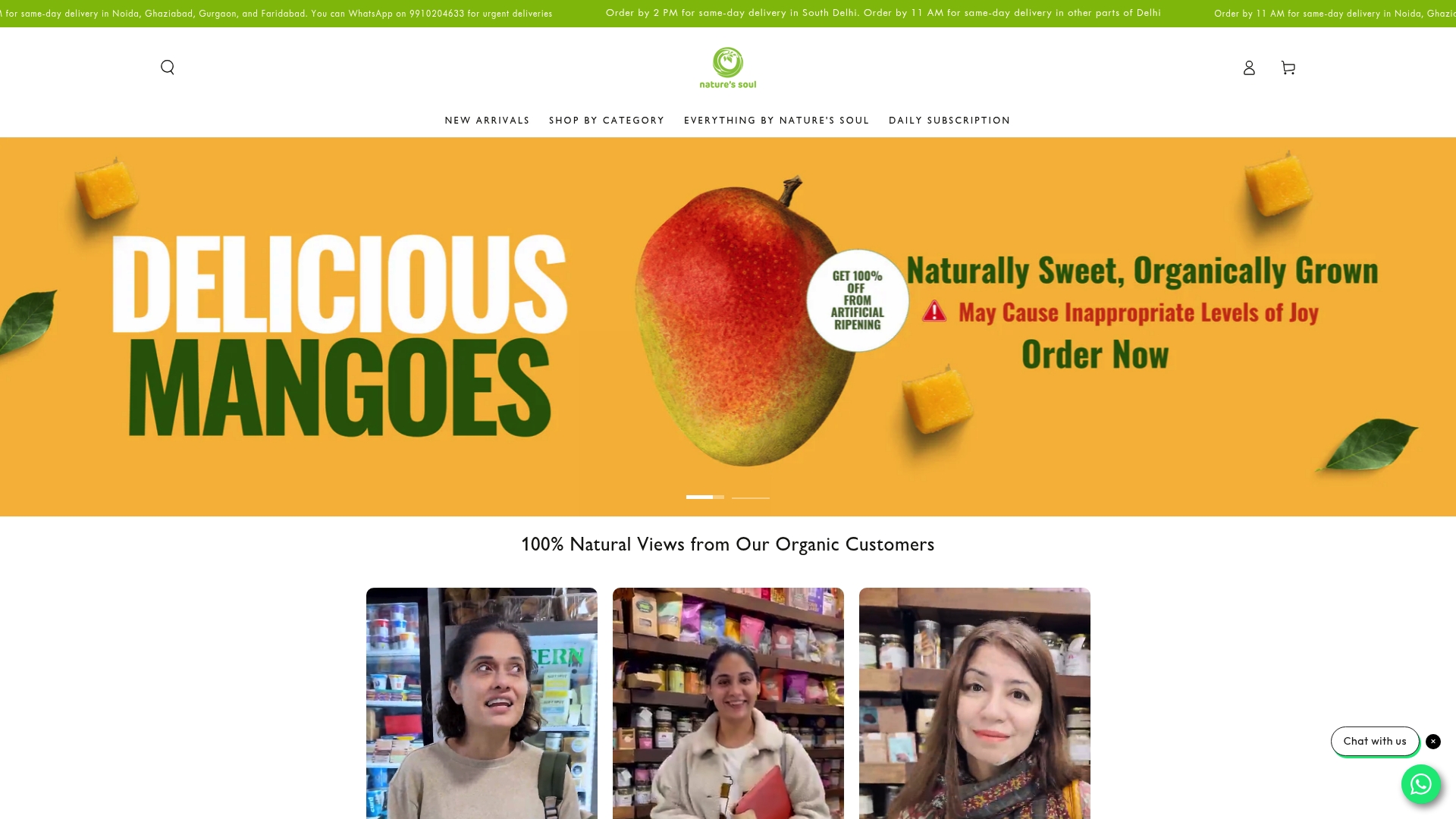
Take charge of your nutrition now by choosing products you can trust. Visit Nature’s Soul to find authentic hormone free and organic options that truly reflect your values. Start your journey towards cleaner dairy and wholesome living today.
Frequently Asked Questions
What is hormone free dairy?
Hormone free dairy refers to milk from cows that have not been treated with synthetic growth hormones like rBGH. All milk naturally contains hormones, but hormone free milk ensures no artificial hormone treatments were used in production.
How is hormone free dairy produced and certified?
Hormone free dairy is produced through strict farming practices that avoid synthetic hormones. The certification involves farm inspections, feed analysis, medical record reviews, and ongoing monitoring to maintain standards of production that prioritize animal welfare and natural growth cycles.
What are the health benefits of hormone free dairy?
Hormone free dairy may offer reduced chemical exposure and potentially enhance nutritional profiles. Additionally, it supports improved animal welfare and may lower risks associated with antibiotic resistance due to the absence of synthetic hormone treatments.
How does hormone free dairy compare to regular dairy options?
Hormone free dairy avoids synthetic growth hormone treatments, focusing on rigorous production standards, enhanced animal welfare, and minimal processing. The primary difference lies in the absence of artificial hormone interventions, while all dairy contains naturally occurring hormones.


