


Choosing the right antioxidant sources can feel overwhelming with endless options claiming health benefits. Whether you prioritise berries, nuts, or spices, understanding criteria like ORAC scores and bioavailability helps you make evidence-based decisions. This guide equips you with science-backed knowledge and practical tips to select the best antioxidants for your wellness goals, ensuring you maximise natural protection against oxidative stress.
Table of Contents
- How To Choose The Best Sources Of Antioxidants
- Berries: Nature’s Antioxidant Powerhouses
- Nuts And Seeds: Concentrated Antioxidants For Heart Health
- Comparison Of Antioxidant Potency Across Food Sources
- Making The Best Antioxidant Choices For Your Lifestyle
- Discover High-Antioxidant Foods At Nature’s Soul Shop
- What Are Antioxidants And Why Do They Matter?
Key takeaways
| Point | Details |
|---|---|
| Best antioxidant sources vary by type and form | Understanding ORAC scores aids comparison across different food categories. |
| Whole foods outperform supplements | Whole foods reduce oxidative stress up to 30% more effectively than isolated supplements. |
| Spices offer exceptional capacity | Turmeric and cinnamon have ORAC values exceeding 100,000 μmol TE/100g but are used sparingly. |
| Combine diverse sources daily | Mixing berries, nuts, leafy greens, and spices ensures broad antioxidant coverage suited to your lifestyle. |
| Frozen berries retain potency | They provide convenient year-round antioxidant access whilst maintaining nutritional integrity. |
How to choose the best sources of antioxidants
Selecting superior antioxidant sources requires understanding both scientific measures and practical factors. ORAC (Oxygen Radical Absorbance Capacity) scores quantify the antioxidant potential of foods objectively, allowing you to compare options. Blueberries might score 9,621 μmol TE/100g whilst pecans reach 20,603, helping you prioritise choices.
Antioxidants fall into two main categories affecting absorption. Vitamin C is water-soluble and highly bioavailable; your body absorbs it readily without dietary fat. Carotenoids like beta-carotene are fat-soluble, requiring fats for optimal absorption. Pairing carrots with olive oil or avocado maximises their antioxidant benefits.
Whole foods provide 30% greater reduction in oxidative stress compared to supplements. They deliver a broad antioxidant spectrum including fibre, vitamins, and phytonutrients working synergistically. A handful of walnuts provides vitamin E, polyphenols, and omega-3s that isolated supplements cannot replicate.
Food quality significantly influences antioxidant levels. Fresh produce begins losing nutrients after harvest, yet frozen options locked at peak ripeness often retain more antioxidants. Choose organic when possible to avoid pesticide residues that may counteract antioxidant benefits. Natural food preservatives can help extend freshness without compromising nutrient integrity.
Key selection criteria include:
- Prioritise whole foods over supplements for comprehensive antioxidant profiles
- Match antioxidant solubility with appropriate food pairings for absorption
- Consider ORAC scores when comparing similar food categories
- Balance fresh and frozen options based on seasonal availability
- Choose organic sources to maximise clean antioxidant intake
Pro Tip: Add a tablespoon of olive oil to your carrot juice or sweet potato dish to enhance carotenoid absorption by up to 400%. The fat acts as a carrier, allowing your body to utilise these fat-soluble antioxidants effectively. This simple pairing maximises the nutritional value you gain from every meal.
Understanding these criteria empowers you to build an antioxidant strategy tailored to your health goals. Next, we’ll explore specific food categories that excel in antioxidant delivery, starting with nature’s most potent options. Proper produce storage further preserves these valuable compounds between shopping trips.
Berries: nature’s antioxidant powerhouses
Berries consistently rank amongst the highest antioxidant fruits available. Blueberries have ORAC values up to 9,621 μmol TE/100g, driven by their exceptional flavonoid and vitamin C content. Blackberries, strawberries, and raspberries follow closely, each offering unique antioxidant profiles that protect cellular health.
Flavonoids in berries, particularly anthocyanins, give them their vibrant colours whilst providing anti-inflammatory benefits. These compounds neutralise free radicals that accelerate ageing and contribute to chronic disease. A daily serving of mixed berries supports cardiovascular health, cognitive function, and immune resilience.
Frozen berries offer remarkable convenience without sacrificing nutritional value. Picked and frozen at peak ripeness, they often contain more antioxidants than fresh berries that spent days in transit. Keep a variety in your freezer for smoothies, overnight oats, or antioxidant-rich desserts year-round.
Berry selection tips:
- Choose organic berries when budget permits to avoid pesticide residues
- Mix colours for diverse antioxidant compounds: blue, red, and purple
- Buy frozen bulk bags for cost-effective daily antioxidant intake
- Add berries to breakfast cereals, yoghurt, or salads for easy incorporation
- Blend frozen berries directly into smoothies without thawing for thick texture
Pro Tip: Keep both fresh and frozen berries on hand to balance convenience with variety. Use fresh berries as snacks or garnishes when in season, then rely on frozen options during winter months. This approach ensures consistent antioxidant intake regardless of seasonal availability whilst managing your grocery budget effectively.
Berries integrate seamlessly into any meal pattern, making them ideal for health-conscious individuals seeking practical antioxidant sources. Their natural sweetness satisfies cravings whilst delivering substantial health benefits. Explore organic antioxidant fruits for more options, and learn how fresh versus frozen antioxidant foods compare in nutrient retention and value.
Nuts and seeds: concentrated antioxidants for heart health
Nuts and seeds pack impressive antioxidant potency into small servings. Pecans lead nuts with 20,603 μmol TE/100g, followed by walnuts and almonds. These nutrient-dense foods combine polyphenols, vitamin E, and healthy fats that support cardiovascular protection.
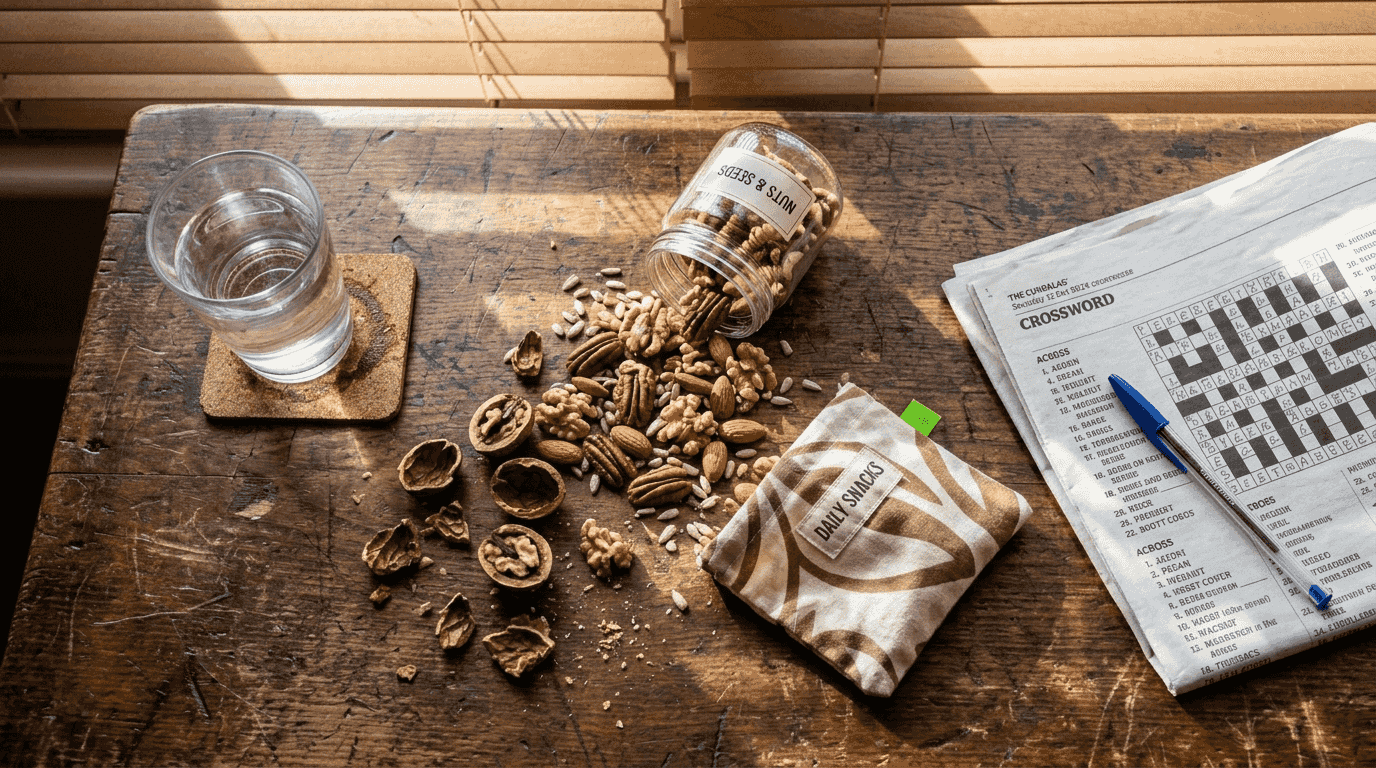
Vitamin E in nuts acts as a fat-soluble antioxidant protecting cell membranes from oxidative damage. Walnuts provide additional benefits through omega-3 fatty acids that reduce inflammation whilst delivering antioxidant compounds. Regular nut consumption correlates with reduced heart disease risk and improved cholesterol profiles.
Seeds like sunflower, pumpkin, and flaxseed offer concentrated antioxidants in versatile forms. Sprinkle them on salads, blend into smoothies, or enjoy as standalone snacks. Their combination of selenium, zinc, and vitamin E creates a powerful antioxidant defence system.
Maximising nut and seed benefits:
- Choose raw or dry-roasted varieties without added oils or salt
- Store in airtight containers in cool, dark places to preserve antioxidants
- Aim for a small handful (about 30g) daily for optimal intake
- Rotate varieties weekly to ensure diverse antioxidant compound exposure
- Soak nuts overnight to enhance digestibility and nutrient absorption
Nuts and seeds excel as portable snacks that satisfy hunger whilst delivering substantial antioxidant benefits. Their healthy fats enhance satiety and support the absorption of fat-soluble vitamins from other foods. A quarter cup of mixed nuts provides more antioxidant capacity than many fruit servings.
Incorporate plant-based fats for heart health through nuts and seeds whilst choosing healthy antioxidant snacks that align with your wellness goals. These concentrated sources make it easy to boost daily antioxidant intake without major dietary overhauls.
Comparison of antioxidant potency across food sources
Understanding how different food categories compare helps you build an effective antioxidant strategy. The table below contrasts ORAC values across top performers in each category, revealing surprising differences in antioxidant capacity.
| Food Category | Top Examples | ORAC Value (μmol TE/100g) | Practical Serving Size |
|---|---|---|---|
| Spices | Turmeric, cinnamon, cloves | 100,000+ | 1-2 teaspoons daily |
| Nuts | Pecans, walnuts, almonds | 20,000-21,000 | 30g handful |
| Berries | Blueberries, blackberries | 9,000-10,000 | 1 cup fresh or frozen |
| Leafy Greens | Kale, spinach, rocket | 1,500-2,000 | 2 cups raw or 1 cup cooked |
| Beverages | Green tea, black tea | 1,200-1,500 per cup | 2-3 cups daily |
Spices such as turmeric and cinnamon have values over 100,000, vastly exceeding fruits and nuts. However, typical serving sizes limit their absolute contribution. You might consume 30g of nuts but only 1g of cinnamon, affecting total antioxidant intake.
Green tea provides unique catechin compounds, particularly EGCG, offering antioxidant benefits beyond ORAC measurements. Regular tea consumption supports metabolic health and provides sustained antioxidant protection throughout the day. Two to three cups deliver meaningful antioxidant doses without excessive caffeine.
Leafy greens contribute lower ORAC values per gram but make up for it through larger serving sizes. A generous salad with kale and spinach provides substantial antioxidants alongside fibre, vitamins, and minerals. Their water content and versatility make them easy to incorporate into multiple daily meals.
Pro Tip: Build your daily antioxidant intake by combining categories strategically. Start mornings with berries in yoghurt, snack on nuts mid-afternoon, add turmeric to lunch dishes, enjoy leafy green salads at dinner, and sip green tea between meals. This approach ensures comprehensive antioxidant coverage from diverse sources, maximising protective benefits.
Balancing high-ORAC spices with substantial servings of berries, nuts, and greens creates an optimal antioxidant defence. No single food provides complete protection; variety remains essential. Explore anti-inflammatory antioxidant foods that complement your selections for enhanced wellness benefits.
Making the best antioxidant choices for your lifestyle
Translating antioxidant knowledge into daily practice requires tailoring selections to your dietary preferences and health priorities. Your lifestyle determines which sources prove most sustainable and effective over time.
Consider antioxidant solubility when planning meals. Pair carotenoid-rich foods like sweet potatoes or carrots with healthy fats such as avocado, nuts, or olive oil. This simple combination enhances absorption significantly, maximising the nutritional value you extract from every meal.
Frozen berries provide reliable, cost-effective antioxidant intake throughout the year. They eliminate concerns about spoilage whilst maintaining nutrient integrity. Stock your freezer with mixed berry bags for consistent daily servings regardless of seasonal availability or fresh produce prices.
Spices like turmeric and cinnamon deliver potent anti-inflammatory benefits beyond antioxidant capacity. Curcumin in turmeric acts as antioxidant whilst modulating inflammation beneficially. Use them liberally in cooking, smoothies, or golden milk beverages for concentrated health advantages.
Implementing your antioxidant strategy:
- Avoid relying solely on supplements; whole foods provide more comprehensive effects through synergistic compounds working together.
- Adjust selections seasonally to take advantage of peak freshness and lower costs when produce is locally abundant.
- Accommodate dietary needs by choosing vegan nuts and seeds or gluten-free berry options that align with your restrictions.
- Rotate antioxidant sources weekly to ensure exposure to diverse protective compounds rather than repetitive intake.
- Combine preparation methods like raw salads and cooked vegetables to access different antioxidant profiles from the same foods.
Your personal health goals should guide antioxidant priorities. Those focused on heart health might emphasise nuts and olive oil. Individuals targeting cognitive function could prioritise berries and green tea. Anti-inflammatory goals align well with spices and leafy greens.
Maintaining variety prevents nutritional gaps and keeps meals interesting. Challenge yourself to include antioxidants from at least three different categories daily. This approach ensures comprehensive protection whilst supporting overall dietary quality and satisfaction.
Discover additional guidance through superfoods for antioxidant longevity and compare fresh versus frozen antioxidant options for informed purchasing decisions. Small, consistent choices compound into significant health benefits over time.
Discover high-antioxidant foods at Nature’s Soul Shop
Ready to put your antioxidant knowledge into practice? Nature’s Soul Shop offers a curated selection of organic, antioxidant-rich foods including nuts, seeds, and legumes with clean ingredients.
Explore convenient options like nut and seed crackers that are vegan and gluten-free, or try red lentil fettuccine for a protein-rich pasta alternative. These wholesome products seamlessly integrate antioxidants into your daily routine whilst supporting diverse dietary preferences. Visit our organic food and grocery store to discover wellness-focused ingredients that align with your health goals.
What are antioxidants and why do they matter?
What exactly are antioxidants?
Antioxidants are molecules that neutralise harmful free radicals in your body. Free radicals are unstable compounds produced during normal metabolism or exposure to environmental stressors like pollution and UV radiation. When free radicals accumulate, they cause oxidative stress that damages cells and accelerates ageing.
Why should I include various antioxidant sources?
Different antioxidants target specific free radicals and function in different body tissues. Vitamin C works in watery environments like blood, whilst vitamin E protects fatty cell membranes. Consuming diverse sources ensures comprehensive protection across all cellular compartments. Learn more about anti-inflammatory foods that complement antioxidant intake.
Are supplements as good as whole food antioxidants?
No. Isolated antioxidant supplements lack the synergistic compounds found in whole foods. Whole foods reduce oxidative stress markers 30% more effectively than supplements. Foods provide fibre, vitamins, and phytonutrients that work together, delivering superior health outcomes compared to single-compound pills.
How do antioxidants support long-term health?
Antioxidants reduce chronic inflammation linked to heart disease, diabetes, and cognitive decline. They protect DNA from damage that can lead to cellular dysfunction. Regular antioxidant intake from varied whole food sources supports healthy ageing, immune function, and disease prevention through multiple biological pathways.
How do I know which antioxidant-rich foods suit my diet?
What factors help me choose the right antioxidant foods?
Consider solubility, absorption, and your lifestyle when selecting antioxidant sources. Include plant-based fats with carotenoid-rich vegetables to enhance absorption. Use frozen berries and nuts for convenience and nutritional consistency. Match your choices to dietary restrictions like vegan or gluten-free needs. Explore superfoods for longevity that fit your preferences.
Can frozen fruits retain their antioxidant power?
Do frozen berries lose antioxidant content?
No. Frozen berries retain their antioxidant capacity effectively compared to fresh options. They are picked and frozen at peak ripeness, locking in nutrients before degradation begins. Frozen fruits offer a convenient, nutrient-rich alternative when fresh produce is out of season or unavailable. Compare fresh versus frozen foods for more insights on nutrient retention.
Are antioxidant supplements as effective as whole foods?
Should I rely on antioxidant supplements?
No. Dietary antioxidants from whole foods provide a broader spectrum of compounds than isolated supplements. Whole foods reduce oxidative stress markers up to 30% more than supplements. Foods deliver synergistic nutrients including fibre and phytonutrients that supplements cannot replicate. Learn about natural food preservatives that maintain whole food integrity.
Recommended
- Healthy Plant-Based Fats in 2026: 30% Lower Heart Risk – naturessoulshop
- Natural Food Preservatives: Healthier Choices for 2025 – naturessoulshop
- Superfoods for Longevity: Complete Essential Guide – naturessoulshop
- 7 Best Plant Based Supplements for Urban Wellness – naturessoulshop
- 7 Healthy Thai Dish Examples for Nutritious Takeout Choices
- Витаминни тенденции 2026 – Иновации за по-добър живот


