


TL;DR:
- Cold pressed oils are extracted mechanically at low temperatures, preserving nutrients and flavor compounds. They are nutritionally superior for health but have lower smoke points, making them unsuitable for high-heat cooking except for cold pressed mustard oil. Using a two-oil strategy enhances both flavor and nutritional benefits in daily cooking.
Cold pressed oils are defined as oils extracted through mechanical pressing at low temperatures, without heat or chemical solvents, preserving their natural nutrients and flavour compounds. The question of whether cold pressed oils are better comes down to what you want from your oil. For nutrition, they win clearly. For high-heat cooking, the answer is more complicated. Refining removes over 90% of polyphenols, strips 15–55% of vitamin E, and eliminates up to 75% of carotenoids. Those are the compounds your body actually uses. Naturessoulshop stocks a range of cold pressed oils precisely because the nutritional difference is not marginal.
Are cold pressed oils better? How extraction shapes what you eat
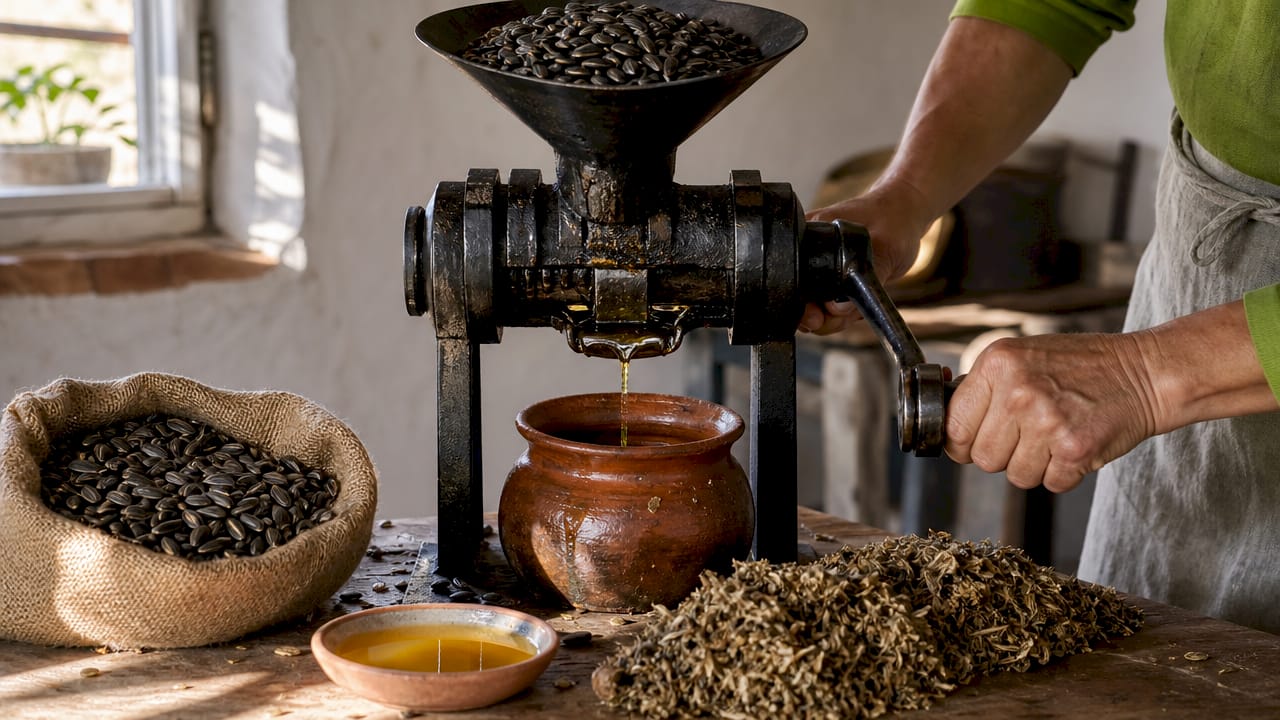
The extraction method determines everything about an oil’s nutritional profile. Cold pressing crushes seeds or nuts mechanically, keeping temperatures low enough to preserve heat-sensitive compounds like polyphenols, vitamin E, and carotenoids. The oil that comes out retains its natural colour, aroma, and bioactive content.
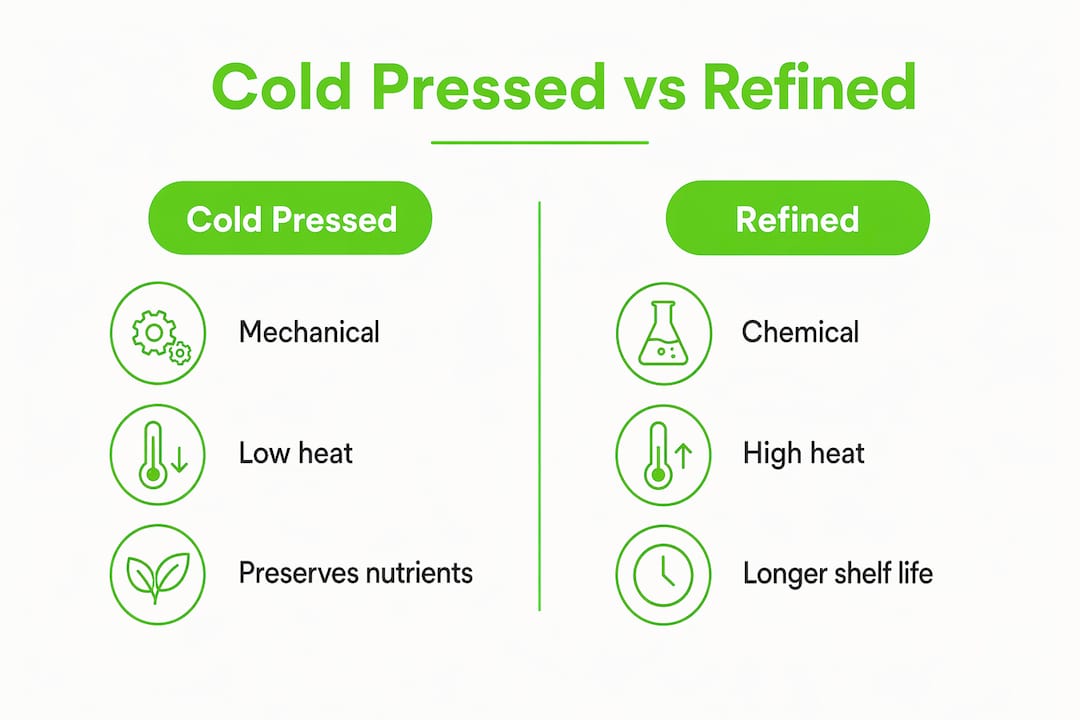
Refining is a different process entirely. It involves degumming, neutralisation, bleaching, and deodorisation. Each step removes something useful. Refined oils undergo degumming and neutralisation that raise smoke points but strip out the beneficial bioactive compounds that give cold pressed oils their health value. The oil becomes stable and neutral, but nutritionally hollow.
The table below shows the key differences between the two extraction methods.
| Feature | Cold pressed | Refined |
|---|---|---|
| Processing method | Mechanical pressing, no heat or chemicals | Chemical solvents, heat, bleaching, deodorisation |
| Polyphenol retention | High | Very low (over 90% removed) |
| Vitamin E retention | High | Reduced by 15–55% |
| Carotenoid retention | High | Reduced by up to 75% |
| Flavour | Rich, natural, variety-specific | Neutral, odourless |
| Smoke point | Lower (varies by oil) | Higher |
Pro Tip: Look for “cold pressed” or “expeller pressed” on the label, not just “natural” or “pure.” Those terms have no regulated meaning and do not guarantee minimal processing.
What are the health benefits of cold pressed oils?
Cold pressed oils deliver a measurably higher concentration of health-protective compounds than their refined counterparts. The most significant are polyphenols, which act as antioxidants and reduce oxidative stress in the body. Oxidative stress is linked to cardiovascular disease, inflammation, and cellular ageing.
Extra virgin olive oil, which is cold pressed by definition, provides heart-health benefits directly linked to its polyphenol content. Sesame oil, when cold pressed, retains sesamin and sesamolin, two lignans with documented anti-inflammatory properties. Cold pressed mustard oil holds onto allyl isothiocyanate, a compound with antimicrobial and anti-inflammatory activity.
The key nutrients preserved in cold pressed oils include:
- Polyphenols: Antioxidants that reduce inflammation and protect cardiovascular health
- Vitamin E (tocopherols): Fat-soluble antioxidant that protects cell membranes
- Carotenoids: Precursors to vitamin A, supporting immune function and eye health
- Omega-3 and omega-6 fatty acids: Essential fats that the body cannot produce independently
- Phospholipids: Compounds that support cell membrane integrity and brain function
Refining eliminates phospholipids and free fatty acids, raising smoke points but removing the antioxidants that protect cells. That trade-off matters if you are choosing an oil for daily nutritional value rather than purely for frying. The nutritional value of cold pressed oils makes them a meaningful part of a plant-based diet focused on heart health.
How do smoke points affect cooking with cold pressed oils?
Smoke point is the temperature at which an oil begins to break down and produce harmful compounds. Cold pressed oils generally have lower smoke points than refined oils because they retain the very compounds that degrade at high heat. This is not a flaw. It is a consequence of keeping the nutrients intact.
Refined oils excel at high-heat applications precisely because the refining process removes the heat-sensitive compounds. For deep frying, stir-frying at very high temperatures, or searing meat, a refined oil with a high smoke point is the safer and more practical choice. Using a cold pressed oil at temperatures above its smoke point destroys its nutritional value and can produce harmful by-products.
Cold pressed mustard oil is a notable exception. Cold pressed mustard oil retains omega-3 and allyl isothiocyanate while maintaining a smoke point of approximately 250°C, making it suitable for deep frying. That combination of nutritional retention and heat tolerance is unusual among cold pressed oils.
The numbered list below matches oil types to cooking methods:
- Raw dressings and dips: Extra virgin olive oil, cold pressed sesame oil, cold pressed flaxseed oil
- Low to medium heat sautéing: Cold pressed sunflower oil, cold pressed groundnut oil
- Medium heat cooking: Cold pressed safflower seed oil, cold pressed coconut oil
- High heat and deep frying: Cold pressed mustard oil, or refined oils where smoke point is critical
- Baking: Cold pressed peanut oil, refined sunflower oil for neutral flavour
For most everyday cooking at home, cold pressed oils handle the majority of tasks well. The exception is sustained high-heat frying, where a refined oil remains the practical choice.
Cost and storage: what to expect with cold pressed oils
Cold pressed oils cost more than refined oils, and the gap is significant. Cold pressed oils cost 2 to 3 times more than refined alternatives, driven by lower extraction yields and the use of higher quality raw materials. A litre of cold pressed sesame oil will cost noticeably more than a litre of refined sesame oil. That premium reflects real differences in production, not just marketing.
Cold pressed oils also have a shorter shelf life than refined oils. Because they retain natural compounds including free fatty acids and trace moisture, they are more susceptible to oxidation. Storage in dark glass bottles away from heat stabilises cold pressed oils. Use them within 6–12 months of opening to avoid rancidity.
| Factor | Cold pressed | Refined |
|---|---|---|
| Typical cost | 2–3x higher | Lower |
| Shelf life (opened) | 6–12 months | 12–24 months |
| Storage requirement | Dark, cool, sealed | Standard cupboard |
| Oxidation risk | Higher | Lower |
Pro Tip: Buy cold pressed oils in smaller quantities if you cook with them infrequently. A 250ml bottle used within three months delivers far more nutritional value than a litre bottle that sits open for a year.
How to build a practical two-oil cooking routine
Cold pressed and refined oils serve complementary roles. Cold pressed oils deliver nutrition and flavour. Refined oils deliver stability and heat tolerance. The practical answer is to keep both in your kitchen and use each where it performs best.
Nutrition experts recommend a two-oil strategy that aligns oil choice with cooking temperature. This approach maximises health benefits without sacrificing cooking performance or safety.
Practical ways to apply this strategy:
- Salad dressings and marinades: Use cold pressed extra virgin olive oil or cold pressed sesame oil for maximum flavour and polyphenol intake
- Finishing oils: Drizzle cold pressed oils over cooked dishes just before serving to preserve their nutrients
- Low heat scrambled eggs or gentle sautéing: Cold pressed groundnut or sunflower oil works well below 180°C
- Stir fries and deep frying: Switch to a refined oil or cold pressed mustard oil to stay safely above the smoke point
- Baking: Cold pressed coconut oil adds flavour to sweet bakes; use refined oil when you need a neutral taste
The key shift is thinking about oil choice as a decision, not a habit. Most people use one oil for everything. Splitting the role between two oils takes less than a minute of thought and meaningfully improves the nutritional quality of your daily cooking.
Key takeaways
Cold pressed oils are nutritionally superior to refined oils for everyday use, but refined oils remain the safer choice for sustained high-heat cooking.
| Point | Details |
|---|---|
| Nutrient retention | Cold pressing preserves polyphenols, vitamin E, and carotenoids that refining removes. |
| Smoke point trade-off | Lower smoke points in most cold pressed oils make them unsuitable for deep frying. |
| Mustard oil exception | Cold pressed mustard oil tolerates approximately 250°C, combining nutrition with heat tolerance. |
| Cost and storage | Cold pressed oils cost 2–3 times more and should be used within 6–12 months of opening. |
| Two-oil strategy | Use cold pressed oils raw or for low heat cooking; use refined oils for high-heat applications. |
My honest view on cold pressed oils after years of using them
I switched to cold pressed oils for most of my cooking about four years ago, and the difference I noticed first was not health-related. It was taste. Cold pressed sesame oil over a simple noodle dish tastes like something. Refined sesame oil tastes like nothing. That sensory difference alone told me something real had been preserved.
The health argument followed. Once I understood that cold pressed oils retain natural flavour compounds that refining destroys, the flavour difference made complete sense. You are not imagining it. The compounds that create taste are the same compounds that create nutritional value.
What I push back on is the all-or-nothing thinking that surrounds this topic. Cold pressed oils are not a replacement for refined oils in every situation. I still keep a refined oil in my kitchen for the occasions when I need sustained high heat. Pretending otherwise leads to burnt oil and wasted money.
The more useful frame is this: cold pressed oils are the nutritional default, and refined oils are the functional tool for specific tasks. That framing removes the guilt from using a refined oil when the recipe demands it, and it removes the confusion about why your cold pressed olive oil is smoking in a very hot pan.
Buy the best cold pressed oil you can afford, store it properly, and use it where it shines. That is the whole strategy.
— Arjit
Where to find quality cold pressed oils at Naturessoulshop
Choosing the right cold pressed oil matters, and so does knowing where it comes from. Naturessoulshop carries a curated range of organic cold pressed oils, including mustard, sunflower, safflower, and groundnut varieties, all sourced with clean ingredients and no unnecessary processing.

Every oil at Naturessoulshop is selected for its ingredient integrity, which means no chemical solvents, no bleaching agents, and no deodorisation. If you are building a two-oil kitchen routine or simply replacing a refined oil with a cold pressed alternative, the organic grocery range at Naturessoulshop gives you a reliable starting point. The range extends well beyond oils, covering dry grocery, dairy, vegan and gluten-free products, and home care, all held to the same clean-ingredient standard.
FAQ
What makes cold pressed oils healthier than refined oils?
Cold pressed oils retain polyphenols, vitamin E, and carotenoids that refining removes. These compounds reduce oxidative stress and support cardiovascular health.
Can you use cold pressed oils for frying?
Most cold pressed oils have lower smoke points and are not suited to deep frying. Cold pressed mustard oil is the main exception, with a smoke point of approximately 250°C.
How long do cold pressed oils last once opened?
Cold pressed oils remain at their best for 6–12 months after opening. Store them in dark glass bottles away from heat to slow oxidation.
Are cold pressed oils worth the higher price?
Cold pressed oils cost 2–3 times more than refined oils, but they deliver measurably higher levels of antioxidants and essential fatty acids. For daily raw or low-heat use, the nutritional premium justifies the cost.
Which cold pressed oil is best for everyday cooking?
Extra virgin olive oil suits raw and low-heat uses. Cold pressed mustard oil handles higher temperatures. Cold pressed sunflower or groundnut oil works well for medium-heat sautéing.
Recommended
- Cold Pressed Hemp Seed Carrier Oil - Juicy Chemistry - 30ml – naturessoulshop
- Cold Pressed Argan Carrier Oil - Juicy Chemistry - 30ml – naturessoulshop
- Mustard Oil | Organic - Cold pressed & Edible - Conscious Food - 5000m – naturessoulshop
- Safflower Seed Oil | Cold Pressed - Elworld Organic - 1000ml – naturessoulshop


