


Nearly 90 percent of british nutrition studies now highlight gut health as a top priority for urban families aiming to improve daily wellbeing. For busy professionals across Delhi NCR, finding simple ways to add nutritious plant-based ferments can make all the difference. This guide unpacks practical steps that demystify vegetable fermentation, making it approachable for anyone eager to create fresh, probiotic-rich foods at home and support the health goals of their loved ones.
Table of Contents
- Step 1: Select And Prepare Fresh Vegetables
- Step 2: Create The Brine For Natural Fermentation
- Step 3: Pack Vegetables Into Jars Properly
- Step 4: Ensure Ideal Fermentation Conditions
- Step 5: Check Progress And Taste For Readiness
Quick Summary
| Essential Insight | Detailed Explanation |
|---|---|
| 1. Select fresh, unblemished vegetables | Start with vegetables like cabbage, cucumbers, carrots, and radishes that are firm and free from blemishes for optimal fermentation results. |
| 2. Create a proper brine solution | Use 30 to 40 grams of non-iodised salt per litre of filtered water to ensure a successful fermentation environment by promoting beneficial bacteria. |
| 3. Pack vegetables tightly in jars | Firmly and gently pack the vegetables in clean glass jars, leaving headspace and ensuring they remain submerged in brine for best results. |
| 4. Maintain stable fermentation conditions | Keep fermentation jars at a consistent temperature between 18 and 24 degrees Celsius, away from sunlight, to support beneficial bacteria growth. |
| 5. Check and taste for readiness | After about a week, look for bubbles and a tangy aroma; taste a small piece to determine if the flavour is pleasant and the texture remains crisp. |
Step 1: Select and prepare fresh vegetables
Choosing the right vegetables is crucial for successful fermentation. You want to start with produce that is fresh, crisp, and free from blemishes. Fresh vegetables naturally contain lactic acid bacteria essential for the fermentation process.
Pick vegetables that are in peak condition from local markets or your garden. Ideal candidates include cabbage, cucumbers, carrots, and radishes. These should be firm, vibrant in colour, and without soft spots or mould. Wash your vegetables thoroughly under cool running water to remove any dirt or potential contaminants. Use a clean vegetable brush to gently scrub root vegetables and those with tougher skins.
Prepare your vegetables by cutting them into uniform pieces. Slicing or chopping creates more surface area, which helps facilitate fermentation. For cabbage, you might want to shred it finely, while cucumbers can be cut into spears or rounds. Root vegetables like carrots work well when cut into sticks or thin rounds. The key is consistency in size to ensure even fermentation.
Here’s a quick overview of ideal vegetable choices and their best preparation style for fermentation:
| Vegetable | Best Preparation | Crispness After Fermentation | Additional Notes |
|---|---|---|---|
| Cabbage | Finely shredded | Remains slightly crunchy | Ideal for sauerkraut |
| Cucumbers | Spears or rounds | Tender with some bite | Use firm, unblemished fruit |
| Carrots | Sticks or thin rounds | Generally crisp | Prefer young, sweet carrots |
| Radishes | Sliced or bite-size | Stays firm | Adds peppery flavour |
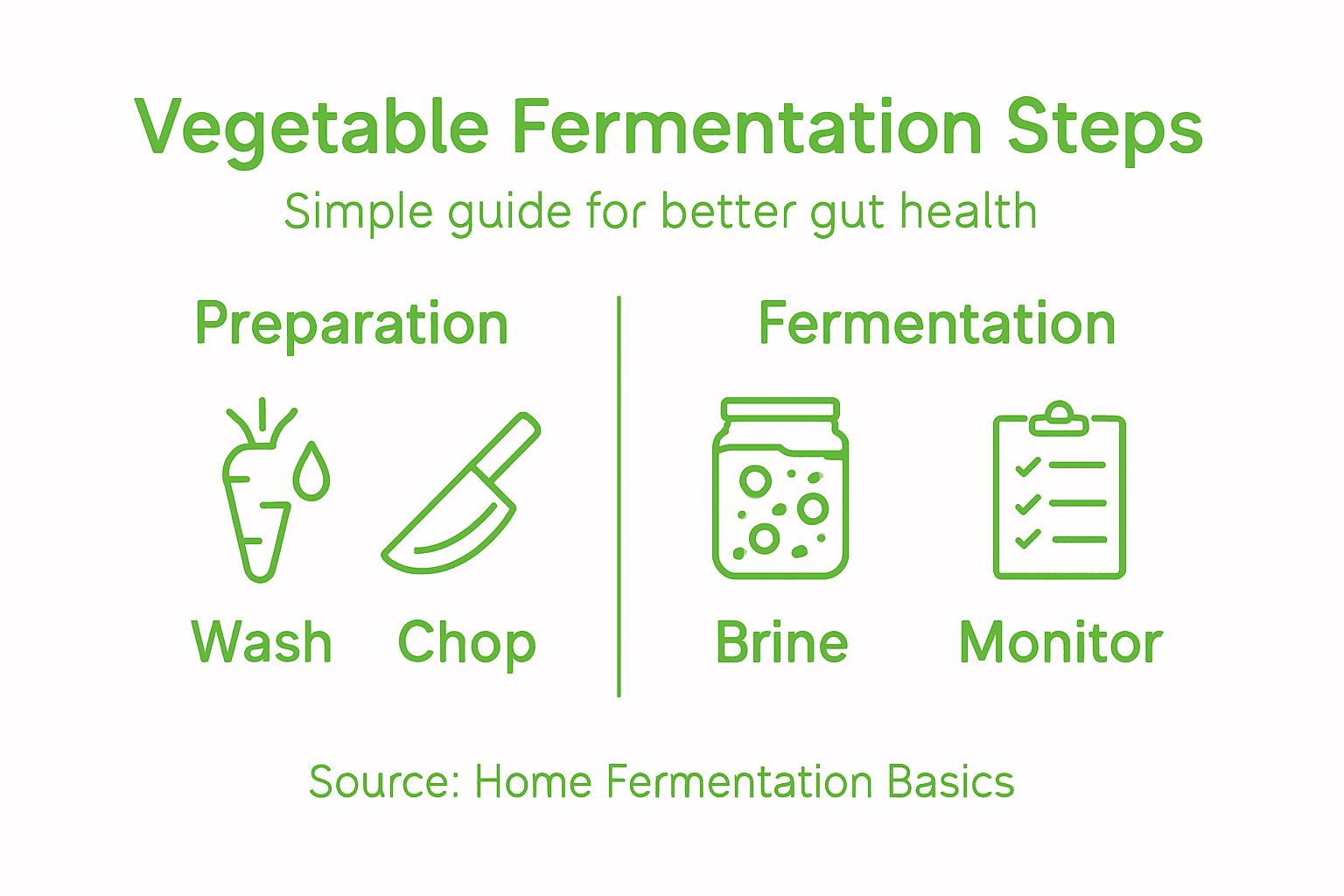
Expert advice: Always use clean, sharp knives and sanitised cutting surfaces to prevent unwanted bacterial contamination during your vegetable preparation process.
Step 2: Create the brine for natural fermentation
Brine is the magic liquid that transforms simple vegetables into tangy fermented delicacies. Salt concentration creates an anaerobic environment crucial for successful vegetable fermentation.
To create your brine, you will need non-iodised salt like pickling salt and filtered water. The ideal ratio is approximately 30 to 40 grams of salt per litre of water. This specific concentration helps selectively encourage beneficial lactic acid bacteria while preventing harmful microorganisms from growing. Dissolve the salt completely by stirring until it is fully integrated into the water, creating a clear saltwater solution.
Ensure your brine is sufficiently salty to cover the vegetables completely. This creates the oxygen-free environment necessary for fermentation. The salt will draw moisture from the vegetables, creating additional liquid and helping to submerge the produce. Maintaining this anaerobic environment is critical for developing those delicious fermented flavours and preserving your vegetables naturally.
Expert tip: Use filtered or bottled water to avoid chlorine that might interfere with fermentation bacteria.
Step 3: Pack vegetables into jars properly
Packing your vegetables correctly is essential for creating a successful fermentation environment. Proper layering excludes oxygen during fermentation and ensures your vegetables develop rich flavours.
Choose clean glass jars with wide mouths that allow easy vegetable placement. Sanitise these containers thoroughly with hot water and white vinegar to eliminate any potential contaminants. Begin by placing your prepared vegetables into the jar, pressing them down firmly but gently to remove air pockets. Pack the vegetables tightly without crushing them completely. Leave approximately 2.5 centimetres of headspace at the top of the jar to allow for potential gas expansion during the fermentation process.
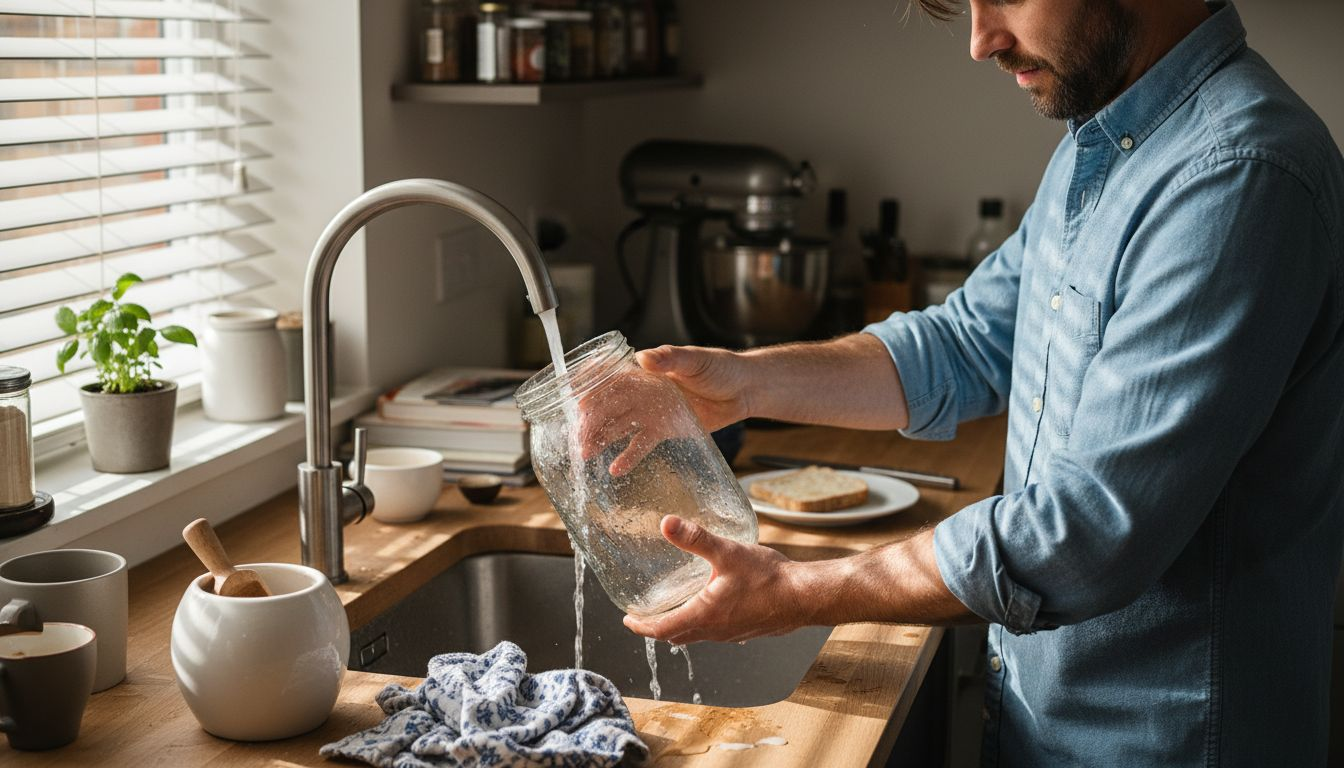
Ensure that all vegetables remain completely submerged under the brine. You might need to use a weight or special fermentation lid to keep the vegetables beneath the liquid surface. If some pieces float, gently press them down or use a small glass weight designed for fermentation. Stainless steel weights are acceptable, but avoid other metal types that might react with the acidic environment.
Expert tip: Use a cabbage leaf or specialised fermentation weight to keep smaller vegetable pieces fully submerged in the brine.
Step 4: Ensure ideal fermentation conditions
Creating the perfect environment for your fermented vegetables requires careful monitoring and attention to detail. Consistent temperature controls bacterial growth and ensures a successful fermentation process.
Position your fermentation jars in a stable location with a consistent temperature between 18 and 24 degrees Celsius. Avoid direct sunlight or areas with significant temperature fluctuations like near ovens or air conditioning units. This steady temperature range allows beneficial lactic acid bacteria to thrive while preventing harmful microorganisms from developing. Use a digital thermometer to monitor the ambient temperature around your fermentation jars and make subtle adjustments as needed.
Check your fermentation progress regularly without disturbing the jars too much. Look for tiny bubbles forming which indicate active fermentation. The vegetables should start to develop a tangy aroma and slightly cloudy brine. Aim to maintain a pH level below 4.6 to ensure safety and preserve your vegetables effectively. If you notice any unusual colours mould or off-putting smells discard the batch immediately to prevent potential health risks.
Expert tip: Keep a fermentation log to track temperature humidity and observations for each batch to improve your technique over time.
Compare the key factors that influence successful vegetable fermentation:
| Factor | Why It Matters | Optimised Range or Method | Common Issue if Ignored |
|---|---|---|---|
| Salt level | Supports lactic acid bacteria | 30–40g per litre water | Risk of spoilage |
| Water quality | Prevents unwanted reactions | Filtered or bottled | Slow fermentation |
| Temperature | Controls fermentation speed | 18–24°C, steady environment | Yeast or mould growth |
| pH level | Ensures food safety | Below 4.6 | Unsafe to consume |
Step 5: Check progress and taste for readiness
Fermentation is an art of patience and careful observation where your vegetables transform into tangy probiotic delicacies. Fermentation progress reveals itself through sensory changes that signal your vegetables are ready to enjoy.
Begin checking your fermentation after about one week. Look for visual indicators such as tiny bubbles forming in the brine and a slightly cloudy appearance. These signs suggest active fermentation is occurring. When you open the jar, you should notice a pleasant sour aroma different from the fresh vegetable smell you started with. The vegetables will start to look slightly softened and develop a translucent quality.
Carefully taste a small piece to assess readiness. The flavour should be tangy and sour without being overwhelmingly acidic. The texture will be softer than when you first packed the jar but should still retain some crispness. If the vegetables taste pleasantly sour and have a good texture without any off putting smells or unusual colours they are likely ready. Once you are satisfied with the flavour transfer the jar to the refrigerator to slow down fermentation and preserve the current taste profile.
Expert tip: Use a clean fork or sterilised spoon when sampling to prevent introducing unwanted bacteria into your fermentation jar.
Unlock the Full Potential of Your Fermented Vegetables for Gut Health
Fermenting vegetables requires precision to maintain the ideal salt level, temperature, and proper brine coverage. These steps are often challenging yet essential to cultivate beneficial lactic acid bacteria and avoid harmful contaminants. If you find balancing these fermentation conditions stressful or need clean, organic ingredients for your recipes, you are not alone. Whether you want fresh, crisp cabbage or firm cucumbers prepared perfectly, sourcing quality produce and safe supplies is key.

Discover how NaturesSoulShop.com can simplify your journey to optimal gut health. Our selection of organic fruits and vegetables, alongside natural dry grocery staples, ensures you start with the best ingredients for successful fermentation. Start today with confidence by visiting our landing page and explore pure, clean products crafted for wellness. Don’t wait to nurture your body with the probiotic power of homemade fermented vegetables made easy with us.
Frequently Asked Questions
What vegetables are best for fermentation?
Choosing vegetables that are fresh, crisp, and free from blemishes is essential for successful fermentation. Ideal options include cabbage, cucumbers, carrots, and radishes. Make sure to select firm, vibrant produce to create the best fermented flavours.
How do I prepare vegetables for fermentation?
Wash your vegetables thoroughly under cool running water to remove dirt and contaminants. Cut them into uniform pieces—shredding cabbage finely and slicing cucumbers into spears. This increases the surface area and promotes even fermentation.
How do I make brine for fermenting vegetables?
Create your brine by dissolving 30 to 40 grams of non-iodised salt per litre of filtered water. Stir until the salt is completely dissolved, ensuring the brine is salty enough to cover the vegetables fully. This will create the right anaerobic environment for fermentation.
What should I monitor during the fermentation process?
Maintain a stable temperature between 18 and 24 degrees Celsius and check for signs of active fermentation, such as bubbles and a tangy aroma. Regularly taste the vegetables after one week to assess their readiness, looking for a pleasant sour flavour without any off-putting odours.
How do I store fermented vegetables after they’re ready?
Once your vegetables have reached the desired tanginess, transfer the jars to the refrigerator. This will slow down the fermentation process and preserve the flavour profile achieved during fermentation, allowing you to enjoy them over several weeks.


