


Yes, you can safely buy gluten‑free groceries, home‑care and skincare items from Naturessoulshop, provided you check three things first: the label claim, the ingredient list, and any certification mark. If you’re searching “emeals gluten free” hoping to find organic, naturally made products rather than a meal‑subscription service, this is the right place to start.
Naturessoulshop sells organic and naturally made gluten‑free groceries and personal‑care items that shoppers can buy with confidence when they follow a few label and certification checks. Two trust signals do most of the work: the FDA’s gluten‑free labelling rule (under 20 parts per million) and third‑party marks such as GFCO. Beyond that, the product page and ingredient list tell you the rest.
- Look for a “gluten‑free” claim or a certification mark on the packaging or product page.
- Read the ingredient list for wheat, barley, rye or malt.
- Check the product notes or ask Naturessoulshop’s customer support about shared‑equipment or cross‑contact statements.
Pro Tip: Bookmark the ingredient panel on any product page you’re unsure about. A thirty‑second read now saves a reaction later.
Key Takeaways
Buying gluten‑free safely comes down to checking the label claim, the ingredient list, and certification status before anything goes in the basket.
| Point | Details |
|---|---|
| Check the FDA threshold | Foods labelled gluten‑free must contain under 20 ppm of gluten under FDA rules. |
| Prefer certification for high sensitivity | GFCO tests to 10 ppm or the local limit and audits supplier practices, not just end products. |
| Scan for hidden sources | Malt, brewer’s yeast, unlabelled modified starch and regular soy sauce are common hidden gluten sources. |
| Control cross‑contact at home | Separate storage, dedicated utensils and clean fryers cut contamination risk significantly. |
| Shop Naturessoulshop with filters | Naturessoulshop’s ingredient panels and gluten‑free filters let shoppers verify products before buying. |
This article is general information, not a substitute for advice from a qualified doctor. Consult a qualified healthcare professional about your own circumstances before acting on anything here.
Table of Contents
- What does “emeals gluten free” actually mean for shoppers?
- How do you read labels on packaged food and skincare?
- Why does third‑party certification like GFCO matter?
- Which foods and products are naturally gluten‑free?
- How do you avoid cross-contact at home and when buying prepared food?
- Can gluten in skincare or oral care products cause a reaction?
- Does gluten-free always mean healthier?
- How does Naturessoulshop support safe gluten-free shopping?
- An author’s note on shopping gluten-free with confidence
- Ready to shop Nature’s Soul Shop’s gluten-free range?
- Sources
What does “emeals gluten free” actually mean for shoppers?
Search results for “emeals gluten free” often point to meal‑planning subscriptions with recipes and delivery boxes. That’s not what this guide covers. Here, the phrase describes something more useful for most wellness shoppers: gluten‑free grocery and natural food products, packaged foods, fresh produce, dairy and vegan alternatives, sold by a retailer that specialises in clean ingredients. The standard industry term is simply “gluten‑free certified” or “gluten‑free labelled” products, and that’s the language you’ll see used throughout this guide and on product pages.
How do you read labels on packaged food and skincare?
Three checks matter more than any others when you’re stood scrolling a product page deciding whether to add it to the basket.
Start with the claim itself. Words like “gluten‑free,” “no gluten” or “without gluten” carry regulatory weight for many packaged foods. The FDA defines a packaged food labelled ‘gluten‑free’ as containing less than 20 parts per million of gluten, a threshold finalised back in 2013.
Next, scan the ingredient list itself. Avoid wheat, rye, barley, malt and triticale unless the product explicitly carries a gluten‑free claim or certification. Watch for phrases such as “modified food starch (wheat),” which sound harmless but flag a real source. The Celiac Disease Foundation’s label‑reading guide also notes that oats should only be trusted when the packaging itself says gluten‑free, because contamination during farming and milling is common.
Finally, check allergen and “may contain” statements. These voluntary notices require a judgement call: a certified or clearly labelled gluten‑free product has already been through regulatory or third‑party scrutiny, while a “made on shared equipment” note has not.
- Read the front‑of‑pack claim first.
- Scan the full ingredient list for wheat, rye, barley, malt or triticale.
- Check “contains” and “may contain” statements for shared‑equipment risk.
- Use the Naturessoulshop ingredient panel, or contact support if anything is unclear.
Pro Tip: When a product lists “natural flavouring” or “starch” with no source named, that’s your cue to ask before you buy, not after.
Why does third‑party certification like GFCO matter?
The FDA’s 20 ppm threshold is a floor, not a ceiling. GFCO requires finished products to test below the applicable threshold of the country of sale or 10 ppm, whichever is lower, and it audits the supply chain rather than just testing the final product on a shelf.
That distinction is worth understanding. GFCO and comparable programmes such as the Gluten‑Free Certification Program run by BRCGS look at ingredient sourcing, facility controls, employee training and ongoing testing, not a single snapshot test. Independent certification bodies confirm this audit approach goes well beyond end‑product testing alone, covering cleaning practices and staff procedures across the whole production line.
- FDA rule: under 20 ppm, based on end‑product regulation.
- GFCO certification: 10 ppm or the local threshold, whichever is stricter, plus supply‑chain audits.
- Facility‑level schemes like BRCGS’s programme add another layer of manufacturing oversight.
If you have coeliac disease, dermatitis herpetiformis, or your household runs a strictly gluten‑free kitchen, favour certified products where they’re available. The extra scrutiny reduces the odds of an unlisted trace source slipping through.
Pro Tip: A GFCO mark on the pack means someone has already checked the factory, not just the recipe.
Which foods and products are naturally gluten‑free?
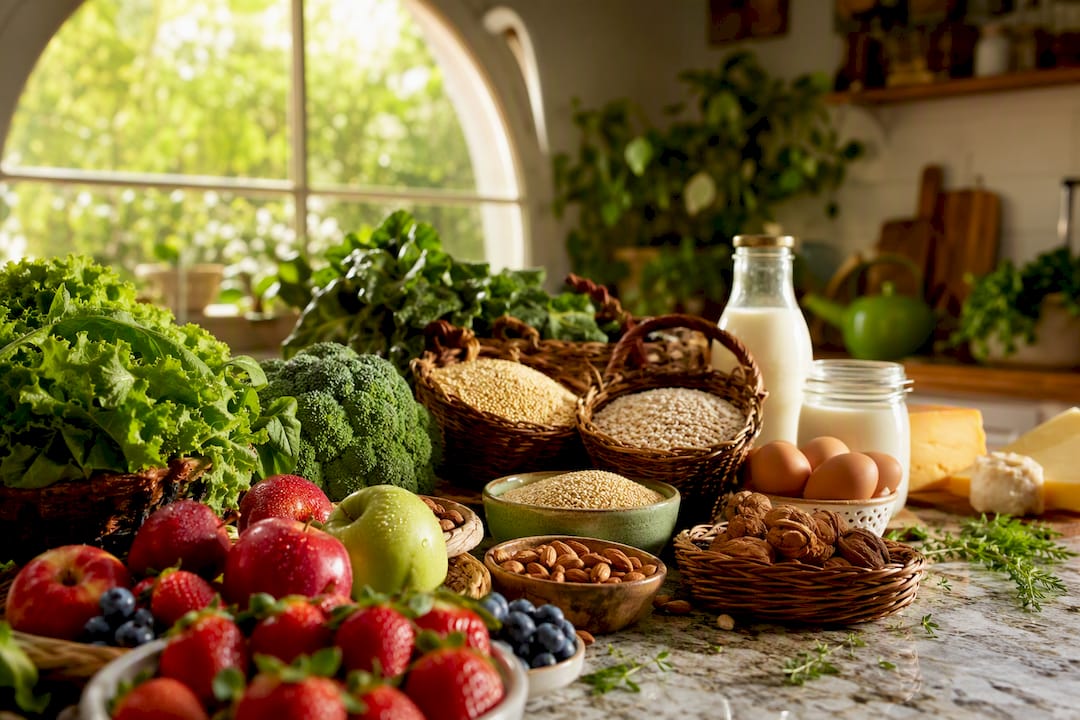
Plenty of everyday groceries carry no gluten risk at all, in their unprocessed state. Fresh fruit and vegetables, unprocessed meat and fish, dairy, eggs, legumes, nuts, seeds and grains like rice, quinoa, millet, sorghum, teff and corn all sit in this category. A practical grocery road map from Children’s National lists fresh produce, meat, dairy, eggs and most oils and vinegars among the safest default choices.
Processed and convenience items need more attention. Sauces, condiments, seasoning mixes, deli meats, flavoured yoghurts and ready meals can hide gluten or pick up cross‑contact during manufacturing, even when the core recipe seems safe.
Watch specifically for these hidden sources:
- Malt or malt extract, common in cereals and some drinks.
- Brewer’s yeast, often used in seasoning blends.
- Modified food starch, unless it’s explicitly labelled gluten‑free.
- Soy sauce, unless it’s tamari or specifically marked gluten‑free.
If nutrition is your priority, gluten‑free foods that are heavily processed, gluten‑free bread and pastry alternatives among them, are worth a proper look at the nutrition panel before they go in the trolley. Our guide to building a balanced gluten‑free diet covers this in more depth.
How do you avoid cross-contact at home and when buying prepared food?
Cross‑contact isn’t limited to the factory floor. It can happen at any stage, from harvest and transport through to your own kitchen counter, and household‑level controls make a measurable difference.
Store gluten‑free items on a top shelf in sealed containers, away from flour and crumbs that can drift further than you’d expect. Use dedicated utensils where you can, and if equipment is shared, clean it thoroughly and swap aprons or gloves before you start on the gluten‑free dish.
- Store gluten‑free products on a separate, clearly labelled shelf.
- Use a dedicated toaster, or a toaster bag, to avoid crumb transfer.
- Insist on fresh oil in shared fryers that hasn’t cooked wheat‑battered food.
- Ask deli, bakery or catering staff whether they use separate prep areas and utensils.
Our guide to gluten‑free cooking utensils and the food storage guide both walk through the practical setup in more detail, and the dining out guide covers what to ask restaurant staff.
Pro Tip: A £3 toaster bag solves the shared‑toaster problem cheaper than buying a second toaster.
Can gluten in skincare or oral care products cause a reaction?
Gluten isn’t absorbed through intact skin, so a body lotion sitting on your arm poses little risk on its own. The picture changes for anything used in or around the mouth, lip balm, toothpaste, or anything that could realistically be swallowed, where ingestion risk becomes the real concern for people with coeliac disease.
Read the ingredient list on these products the same way you would a food label, and prefer items explicitly marked gluten‑free where sensitivity is high. Complex fragrance blends with vague ingredient names are harder to verify, so if you’re highly sensitive, stick to shorter ingredient lists or contact Naturessoulshop directly for sourcing details on a product like the Honeysuckle Luxury Bath Soap.
- Check lip and oral products most carefully, since ingestion is the real risk.
- Body lotions and soaps carry lower risk unless you have very sensitive skin.
- When ingredient names are vague, ask before you buy.
Pro Tip: If a skincare label doesn’t name its starch source, treat it the way you’d treat an unlabelled food product: ask first.
Does gluten-free always mean healthier?
Not automatically. Manufacturers sometimes add sugar, fat or refined starches to gluten‑free products to make up for the texture wheat normally provides, so a gluten‑free biscuit isn’t necessarily a lighter one. Checking the nutrition panel matters just as much here as checking the ingredient list for gluten sources.
Favour whole‑food or minimally processed options when you can, and look at fibre and protein content alongside calories and sugar for a fuller picture.
- Calories per portion, compared against a similar non‑gluten‑free product.
- Total sugars, since texture fixes often mean more sugar.
- Fibre and protein, which tell you how filling and balanced the product actually is.
Our supplements guide for gluten‑free diets covers how to apply the same nutrition‑panel thinking to capsules and powders.
How does Naturessoulshop support safe gluten-free shopping?
Every product page on Naturessoulshop carries an ingredient panel, and category filters let you narrow the catalogue down to gluten‑free and organic lines without wading through everything else. Blog guides written by Arjit, covering meal planning and gluten‑free meal prep, sit alongside the product catalogue for shoppers who want more context before buying.
If a product page doesn’t answer your question, Naturessoulshop’s customer support can request ingredient or processing detail directly from suppliers, and it’s worth asking for that documentation whenever cross‑contact matters to you. For sourcing transparency more broadly, this practical guide to local sourcing is a useful companion read on why supplier traceability matters in the first place.
- Ingredient panels on every product page.
- Category filters for gluten‑free and organic products.
- Blog guides for meal planning and preparation.
- Customer support that can chase supplier documentation on request.
An author’s note on shopping gluten-free with confidence
Most of the anxiety around gluten‑free shopping comes from treating every product the same way, when the actual risk varies enormously between a bag of rice and a jar of seasoning mix. Use certification when your sensitivity is high, and don’t bother chasing it for foods that were never at risk in the first place. Whole foods solve most of the problem before a label ever needs reading. When something genuinely puzzles you, ask the retailer directly rather than guessing.
Ready to shop Nature’s Soul Shop’s gluten-free range?
Naturessoulshop’s advantage over piecing together gluten‑free groceries from several different retailers is simple: one catalogue, with ingredient panels and organic sourcing built in from the start, rather than checking five different supplier websites for the same reassurance. Browse the full organic and gluten‑free range and use the category filters to narrow straight to what you need.
If you’re after a specific health‑focused pick, the health category covers supplements and wellness items with the same ingredient transparency, and products like Beautiful Skin Capsules show how that plays out on an individual product page. Customer support is on hand for any ingredient or sourcing question before you order, and standard returns cover you if something doesn’t suit once it arrives.
Sources
- Gluten‑free means what it says | FDA
- Gluten‑Free Certification Organization (GFCO)
- Gluten‑free diet & food label reading guide (2024) | Celiac Disease Foundation
- Preventing gluten cross‑contact | AGA patient resources
Recommended
- Gluten Free Bread | Rice & Quinoa Bread - Vegan, No Bread Improver, Em – naturessoulshop
- Gluten Free Bread | Rice & Buckwheat Bread - Vegan, No Bread Improver, – naturessoulshop
- Budget gluten-free shopping in Delhi NCR: smart tips for 2026 – naturessoulshop
- Master Meal Planning Gluten Free: Healthy Dining Made Easy – naturessoulshop


