


Finding affordable gluten-free groceries in Delhi NCR can feel overwhelming, especially when specialised products carry premium price tags. Many shoppers assume eating gluten-free means sacrificing their budget or settling for limited options. This guide reveals how to access budget-friendly gluten-free products across Delhi NCR through specialised stores, local markets, and smart shopping strategies. You’ll learn to identify naturally gluten-free Indian staples, verify product safety, and prepare homemade alternatives that protect both your health and wallet. Whether you’re managing coeliac disease or choosing gluten-free for wellness, these practical tips help you shop confidently without overspending.
Table of Contents
- Understanding Your Gluten-Free Needs And Local Options
- Where And How To Shop For Budget Gluten-Free Groceries In Delhi NCR
- Smart Shopping Strategies And Preparing Your Own Gluten-Free Foods
- Verifying Safety And Maintaining A Healthy Gluten-Free Lifestyle On A Budget
- Explore Affordable Organic Gluten-Free Options At Nature’s Soul
- What Are The Most Budget-Friendly Gluten-Free Staples In Delhi NCR?
- How Can I Avoid Cross-Contamination When Shopping On A Budget?
- Are Millets A Good Gluten-Free Alternative For Budget Shoppers?
- What Are Some Quick Gluten-Free Meal Prep Ideas For Busy Delhi NCR Residents?
Key takeaways
| Point | Details |
|---|---|
| Natural staples save money | Most Indian foods like millets, rice, and dal are naturally gluten-free and cost-effective for daily meals. |
| Specialised stores offer variety | Delhi NCR has dedicated gluten-free shops providing certified products at competitive prices for safe shopping. |
| Wholesale buying reduces costs | Purchasing certified flours and grains in bulk from wholesalers can lower prices significantly per kilogramme. |
| Label reading prevents mistakes | Checking certification marks and ingredient lists ensures products are truly gluten-free and safe from contamination. |
| Millets boost health affordably | These naturally gluten-free grains improve digestion and blood sugar control whilst remaining budget-friendly. |
Understanding your gluten-free needs and local options
Gluten is a protein found in wheat, barley, and rye that causes adverse reactions in people with coeliac disease or gluten sensitivity. Going gluten-free means eliminating these grains whilst ensuring adequate nutrition through safe alternatives. The good news for Delhi NCR residents is that Indian food is already 80% naturally gluten-free, making traditional staples like millets, rice, and dal both affordable and healthful choices. This natural advantage means you can build a gluten-free diet without relying heavily on expensive imported products.
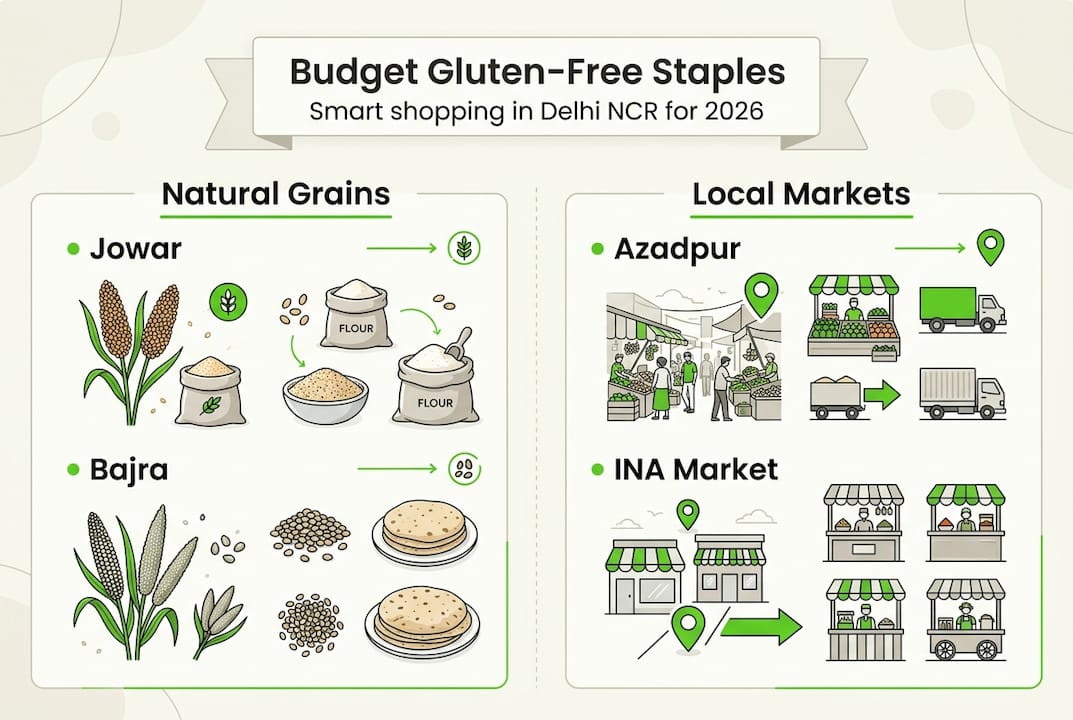
Millets deserve special attention for budget-conscious gluten-free shoppers. These ancient grains including jowar, bajra, and ragi are naturally gluten-free and packed with health benefits. Their high fibre content supports gut health by promoting beneficial bacteria and regular digestion. Millets also help manage blood sugar levels, making them excellent for people with diabetes or those watching their weight. You’ll find these grains at remarkably low prices in local markets across Delhi NCR, often costing a fraction of specialised gluten-free products.
The Delhi NCR gluten-free market landscape favours budget shoppers more than you might expect. India’s gluten-free market mainly revolves around affordable mass-market products, with government promotion of millets driving availability and competitive pricing. Understanding this local context helps you make informed choices about where to spend your money. Here’s what to prioritise:
- Stock your pantry with naturally gluten-free Indian staples first
- Reserve certified packaged products for items you cannot source naturally
- Learn which local markets carry affordable gluten-free grains
- Identify specialised stores for occasional certified product purchases
Pro Tip: Visit local mandis during early morning hours for the freshest naturally gluten-free grains at wholesale prices, often 30-40% lower than retail shops.
Where and how to shop for budget gluten-free groceries in Delhi NCR
Delhi NCR hosts several specialised gluten-free stores that cater specifically to your needs. Specialised stores like Gluten Free Hub, ATP Mart, The Celiac Store, and Nature’s Soul offer certified gluten-free products ranging from flours to ready-to-eat meals. These shops understand cross-contamination risks and maintain dedicated gluten-free environments. Gluten Free Hub in South Delhi stocks international brands alongside Indian alternatives, whilst ATP Mart in Gurgaon focuses on organic certified options. Visiting these stores allows you to examine labels carefully and ask staff about sourcing and certification.
Local markets remain your best resource for affordable naturally gluten-free staples. Head to Azadpur Mandi, INA Market, or Sarojini Nagar Market for bulk purchases of millets, rice varieties, and pulses at unbeatable prices. Vendors at these markets sell loose grains that you can inspect for quality before buying. You’ll pay significantly less per kilogramme compared to packaged products, though you must ensure proper storage at home to prevent contamination. Shopping at local markets also connects you with seasonal produce and regional grain varieties that diversify your gluten-free diet.
Wholesalers provide another budget-friendly avenue for certified gluten-free products. Buying from wholesalers can cost as low as ₹60 for 500g of jowar pasta or certified gluten-free flours. IndiaMart and TradeIndia list numerous Delhi NCR suppliers offering bulk discounts on certified products. Purchasing larger quantities reduces per-unit costs substantially, though you’ll need adequate storage space. This approach works particularly well for shelf-stable items like flours, pasta, and packaged snacks that you use regularly.
| Product | Local Market Price | Specialised Store Price | Wholesale Price | | — | — | — | | Jowar flour (1kg) | ₹40-60 | ₹120-150 | ₹80-100 | | Bajra (1kg) | ₹50-70 | ₹130-160 | ₹90-110 | | Rice flour (1kg) | ₹45-65 | ₹110-140 | ₹75-95 | | Ragi flour (1kg) | ₹55-75 | ₹140-170 | ₹95-120 | | Gluten-free pasta (500g) | Not available | ₹180-220 | ₹120-150 |
Pro Tip: Time your shopping around government millet promotion campaigns and festival sales at specialised stores to save an additional 15-25% on certified gluten-free products.
Balancing convenience with cost requires strategic planning. Keep naturally gluten-free staples as your foundation, sourced from local markets for maximum savings. Reserve specialised store visits for certified products where contamination risk is higher, like oats or processed foods. Explore online options at Nature’s Soul for home delivery of organic gluten-free items when you cannot visit physical stores. Understanding how to eat out gluten-free and managing cross-contamination risks complements your shopping strategy. Learning about organic gluten-free flours helps you make informed choices between conventional and premium options.
Smart shopping strategies and preparing your own gluten-free foods
Developing a systematic shopping approach prevents costly mistakes and ensures you bring home truly gluten-free products. Follow this checklist every time you shop:
- Read ingredient labels completely, checking for wheat, barley, rye, and malt
- Look for recognised certification marks like FSSAI gluten-free or international equivalents
- Verify manufacturing processes to confirm dedicated gluten-free facilities
- Check expiry dates and packaging integrity to ensure product freshness
- Ask store staff about storage practices and cross-contamination prevention measures
- Compare prices across brands and package sizes to identify best value
- Keep a running list of trusted brands and products that meet your standards
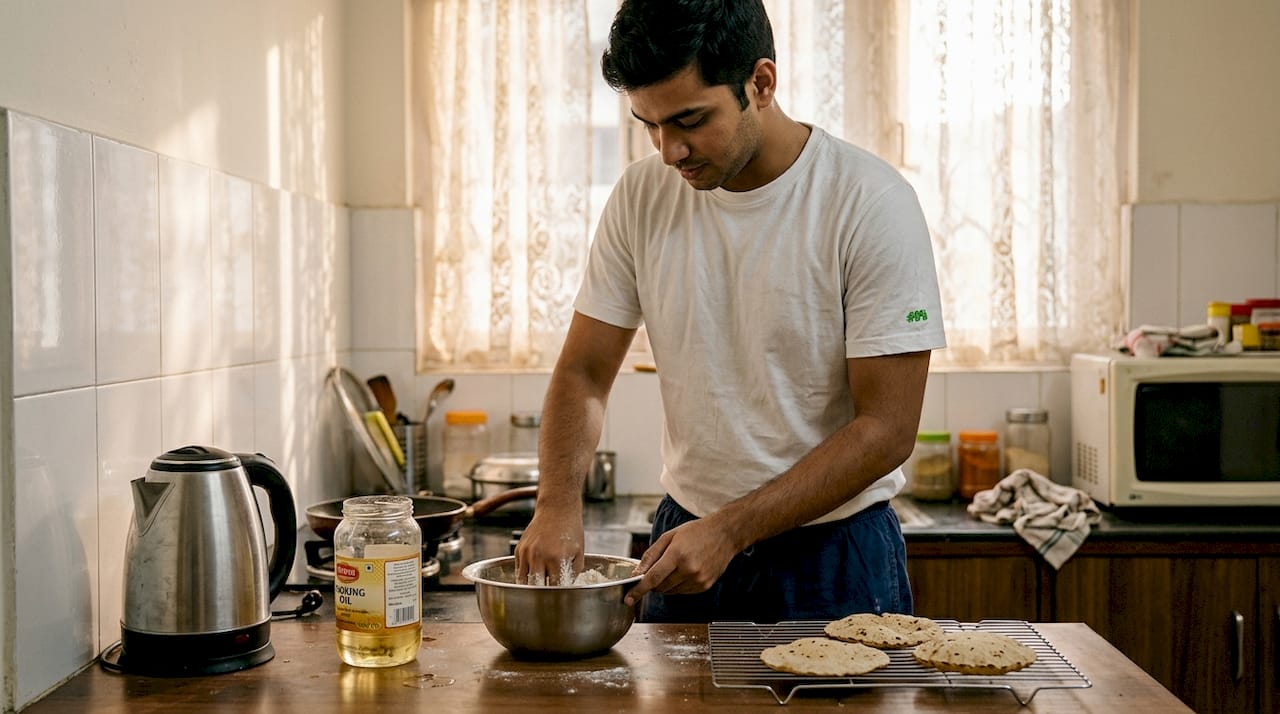
Preparing gluten-free foods at home dramatically reduces costs whilst giving you complete control over ingredients and contamination risks. Home grinding of gluten-free flours reduces contamination risk and proves more cost-effective than buying pre-packaged alternatives. You can purchase a small home flour mill for ₹2,000-4,000 that pays for itself within months through savings on packaged flours. Grinding fresh also preserves nutrients and flavour that deteriorate in stored flours.
Comparing homemade versus packaged options reveals significant differences:
| Aspect | Homemade Grinding | Pre-packaged Flours |
|---|---|---|
| Cost per kg | ₹40-75 | ₹110-170 |
| Contamination risk | Very low with dedicated equipment | Varies by manufacturer |
| Freshness | Maximum, ground as needed | Decreases over time |
| Convenience | Requires time and equipment | Ready to use immediately |
| Variety control | Complete flexibility | Limited to available products |
Pro Tip: Hidden gluten lurks in unexpected places like soy sauce, processed cheese, and flavoured yoghurts, so always verify ingredient lists even for products that seem naturally gluten-free.
Mass affordable gluten-free products dominate the market but balancing cost with certified safety remains crucial for your health. Whilst naturally gluten-free whole grains pose minimal risk, processed foods require certification to guarantee safety.
Investing in certified products for high-risk items like oats or processed foods protects your health, whilst naturally gluten-free whole grains from trusted local sources offer safe budget options.
Simple homemade preparations maximise your budget further. Prepare large batches of gluten-free rotis using jowar or bajra flour, then freeze portions for quick meals throughout the week. Cook big pots of khichdi with rice and moong dal, adding seasonal vegetables for variety. Make your own gluten-free snacks like roasted chickpeas, millet ladoos, or rice flour murukku instead of buying expensive packaged alternatives. These preparations take minimal time when done in batches and cost a fraction of ready-made options. Learning baking without gluten expands your homemade repertoire, whilst following tips for choosing organic gluten-free foods ensures quality when you do purchase packaged items.
Verifying safety and maintaining a healthy gluten-free lifestyle on a budget
Confirming the gluten-free authenticity of your purchases protects your health and justifies your spending. Use these verification steps consistently:
- Check for recognised certification marks from FSSAI, Coeliac Society, or international bodies
- Purchase from specialised gluten-free stores with established reputations for safety
- Read complete ingredient lists, watching for hidden gluten sources like modified starch
- Contact manufacturers directly when certification information is unclear
- Join Delhi NCR gluten-free support groups to learn about trusted brands and suppliers
- Report suspected mislabelling to consumer protection authorities
Maintaining nutritional balance on a gluten-free budget requires intentional planning. Follow these steps to build a healthy, affordable gluten-free diet:
- Base meals around naturally gluten-free whole grains like millets, rice, and quinoa
- Include protein-rich pulses and legumes in every meal for satiety and nutrition
- Add seasonal vegetables and fruits for vitamins, minerals, and fibre
- Incorporate healthy fats from nuts, seeds, and cold-pressed oils
- Limit processed gluten-free products to occasional treats rather than staples
- Plan weekly menus around affordable ingredients to prevent impulse purchases
- Batch cook and freeze portions to avoid expensive last-minute food decisions
Using certified products and checking for cross-contamination ensures your gluten-free safety remains uncompromised. Dedicate separate storage containers, cutting boards, and cooking utensils for gluten-free foods if your household includes gluten eaters. Clean surfaces thoroughly before preparing gluten-free meals. When dining out, communicate clearly about your needs and verify kitchen practices to prevent accidental exposure.
Millets offer exceptional value for budget-conscious gluten-free shoppers pursuing wellness goals. Incorporating millets supports gut health, fibre intake, and weight management whilst costing significantly less than specialised gluten-free products. Their low glycaemic index helps stabilise blood sugar, reducing energy crashes and cravings that lead to impulsive food purchases. The high fibre content promotes satiety, helping you feel satisfied with smaller portions and reducing overall food costs.
Managing cravings within budget requires creativity rather than expensive substitutes. When you crave bread, make quick gluten-free flatbreads using rice or millet flour instead of buying packaged gluten-free bread at ₹200-300 per loaf. Satisfy sweet cravings with homemade treats using jaggery and gluten-free flours rather than premium packaged biscuits. Keep healthy gluten-free snacks like roasted nuts, fresh fruit, or homemade energy balls readily available to prevent expensive convenience purchases when hunger strikes.
Eating out safely without overspending demands research and communication. Identify restaurants in Delhi NCR that understand gluten-free requirements and offer reasonably priced options. Many South Indian restaurants serve naturally gluten-free dosas, idlis, and uttapams at affordable prices. North Indian restaurants can prepare gluten-free meals using rice rotis or pure vegetable curries without wheat-based thickeners. Always verify ingredients and preparation methods with kitchen staff to ensure safety. Planning gluten-free meal prep reduces reliance on restaurant meals, whilst preparing gluten-free lunches for work prevents expensive and potentially unsafe takeaway purchases.
Explore affordable organic gluten-free options at Nature’s Soul
Transitioning your gluten-free knowledge into action becomes easier with reliable sources for certified organic products. Nature’s Soul offers budget-friendly certified organic gluten-free groceries delivered across Delhi NCR, removing the hassle of visiting multiple physical stores. Their product range includes naturally gluten-free whole grains, certified organic flours, and clean-ingredient packaged foods that align with your wellness goals without premium pricing.
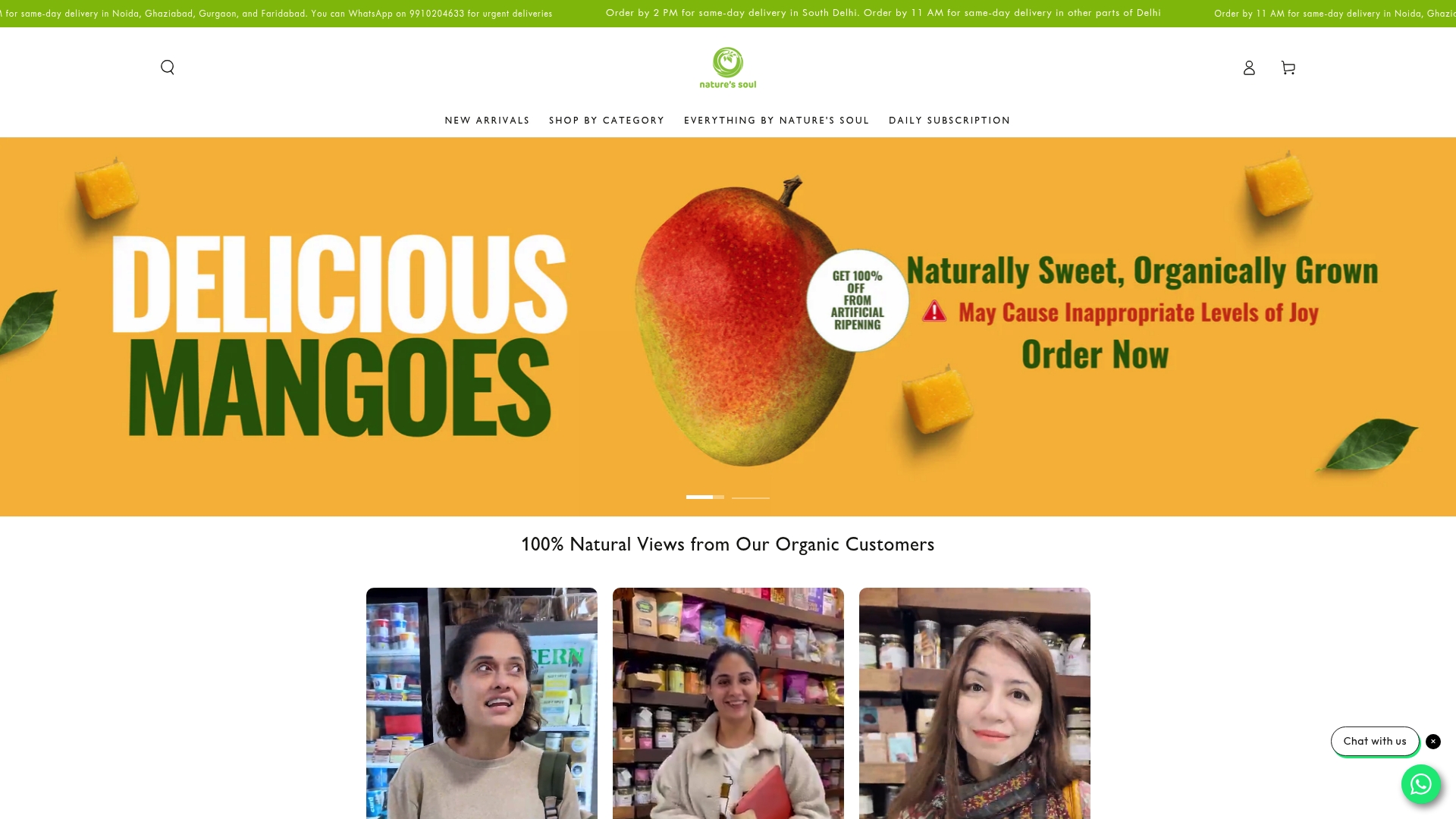
Exploring health products at Nature’s Soul reveals options beyond basic groceries, including supplements and wellness items that support your gluten-free lifestyle. Their commitment to clean ingredients and transparent sourcing matches the verification standards discussed throughout this guide. You’ll find naturally farmed produce like sweet peppers that add nutrition and variety to your gluten-free meals without contamination concerns.
Pro Tip: Subscribe to Nature’s Soul newsletters and follow their social media for advance notice of stock arrivals and exclusive discounts on organic gluten-free products, helping you plan purchases around best prices.
What are the most budget-friendly gluten-free staples in Delhi NCR?
What are the most budget-friendly gluten-free staples in Delhi NCR?
Millets including jowar, bajra, and ragi top the list of affordable gluten-free staples, costing ₹40-75 per kilogramme in local markets. Rice varieties, particularly unpolished brown rice and local red rice, provide excellent value whilst offering superior nutrition to white rice. Pulses like moong dal, toor dal, and masoor dal remain naturally gluten-free and protein-rich at ₹80-150 per kilogramme. Fresh vegetables and fruits from seasonal markets cost far less than imported gluten-free processed foods whilst providing essential nutrients.
How can I avoid cross-contamination when shopping on a budget?
Purchase whole grains and pulses from dedicated gluten-free stores or trusted vendors who maintain separate storage for gluten-free products. Cross-contamination can be avoided by purchasing from certified stores and carefully cleaning kitchen tools before use. Inspect packaging for damage that might allow contamination during transport or storage. When buying from bulk bins, choose vendors who use separate scoops and containers for gluten-free items. Store purchases in sealed containers at home to prevent household contamination.
Are millets a good gluten-free alternative for budget shoppers?
Millets are naturally gluten-free, fibre-rich grains that improve digestion and support wellness goals whilst remaining affordable. Their low glycaemic index helps manage blood sugar levels, making them excellent for diabetes management and weight control. Millets cost significantly less than imported gluten-free grains like quinoa or specialty flours, typically ₹40-75 per kilogramme compared to ₹400-600 for imported alternatives. Their versatility allows use in traditional Indian recipes without expensive modifications or specialty equipment.
What are some quick gluten-free meal prep ideas for busy Delhi NCR residents?
Batch cook large quantities of millet khichdi, adding different vegetables each time for variety throughout the week. Prepare gluten-free rotis using jowar or bajra flour, then freeze them in portions for quick reheating during busy weekdays. Cook big pots of dal and rice, portioning them into individual containers with steamed vegetables for grab-and-go meals. Utilise specialised stores for ready gluten-free staples like rice noodles or certified oats when time is extremely limited. Following gluten-free meal prep strategies helps you maintain your diet without relying on expensive takeaway options.
Recommended
- How to Eat Out Gluten Free in Delhi NCR in 2025 – naturessoulshop
- Cross Contamination Gluten Free: Safe Eating in Delhi NCR 2025 – naturessoulshop
- Gluten Free Meal Prep in Delhi NCR: Easy Ideas for 2025 – naturessoulshop
- Vegan Gluten Free Options in Delhi NCR 2025 Guide – naturessoulshop
- Blog - Price Tracking Tips & Savings Guides | PriceLix


